Korean Quotes and Proverbs: 30+ Sayings Koreans Actually Use (With Pronunciation)
Quick Answer
Korean quotes and proverbs are short, memorable lines Koreans use to give advice, soften criticism, or add humor, especially in family and work settings. This guide teaches 30+ widely recognized sayings with clear pronunciation, natural usage notes, and cultural context so you can understand them in dramas, conversations, and everyday life.
Korean quotes and proverbs are short lines Koreans use to give advice, warn gently, encourage someone, or add a punchline, and learning the most common ones helps you understand K-dramas and real conversations far beyond textbook Korean.
Korean is spoken by roughly 82 million people worldwide (Ethnologue, 27th ed.), mainly in South Korea and North Korea, with large diaspora communities in the US, China, and Japan. That means many sayings travel across borders, but the tone and when you can use them still depends heavily on Korean politeness and hierarchy.
If you are also building your everyday basics, pair this article with how to say hello in Korean and how to say goodbye in Korean. Proverbs land best when your greetings and politeness are already solid.
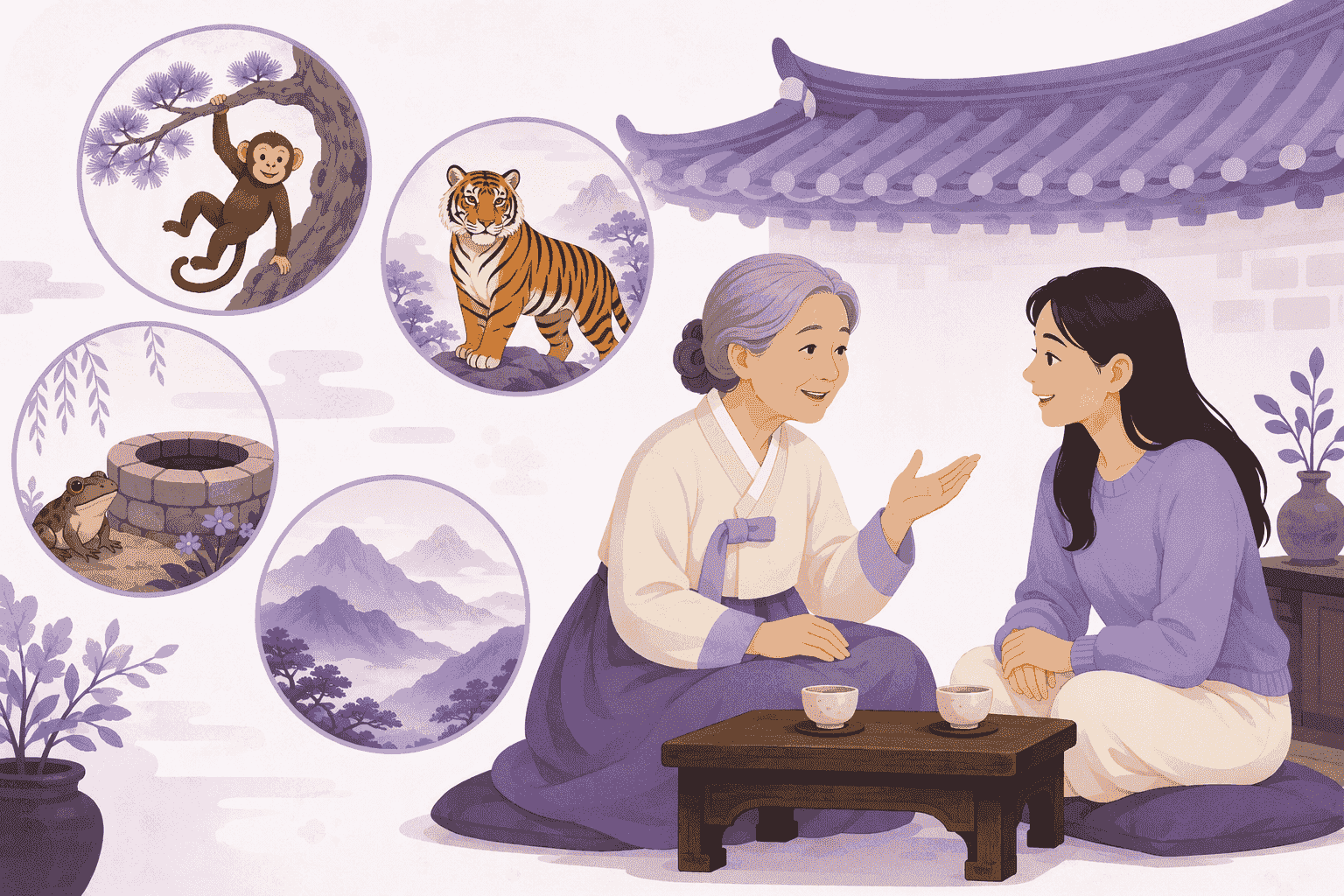
How Koreans actually use proverbs (속담) in conversation
A Korean proverb is rarely delivered like a dramatic speech. It is more often a quick comment at the end of a story, like a verbal underline.
In Korean pragmatics, indirectness can be a kindness. Research traditions in politeness and face, such as Brown and Levinson’s Politeness: Some Universals in Language Usage (Cambridge University Press), help explain why a proverb can feel softer than a direct command: you are not ordering someone, you are pointing to shared wisdom.
Where you will hear them most
You will hear proverbs in three places more than anywhere else.
First, family talk, especially from parents and grandparents. Second, workplace mentoring, when a senior wants to advise without humiliating. Third, scripted media, because proverbs quickly signal personality, age, and values.
A note on pronunciation and rhythm
Korean pronunciation is syllable-timed, and many proverbs have a satisfying rhythm. Do not rush them.
Use the pronunciation guides below as an English-friendly approximation, then listen for the real sound in clips. If you are still working on reading Hangul, start with how to read Hangul for the rules that make these lines much easier to decode.
30+ Korean proverbs and quotes you will actually recognize
Below are common sayings, with pronunciation and practical usage notes. Some are pure proverbs, some are modern quote-like lines that function proverbially in daily speech.
원숭이도 나무에서 떨어진다
Pronunciation: won-SOONG-ee-doh nah-MOO-eh-seo TTEO-reh-jin-dah
Literal meaning: Even a monkey falls from a tree.
What it means: Even experts make mistakes.
When to use it: After someone competent messes up, especially to comfort them. It is also a polite way to say, "That mistake is normal."
/won-SOONG-ee-doh nah-MOO-eh-seo TTEO-reh-jin-dah/
Literal meaning: Even a monkey falls from a tree.
“괜찮아요. 원숭이도 나무에서 떨어진다잖아요.”
It's okay. They say even a monkey falls from a tree.
Often used to comfort someone without sounding overly emotional. Adding -잖아요 makes it feel like shared common sense.
말이 씨가 된다
Pronunciation: MAHL-ee SSHEE-gah DWEHN-dah
Literal meaning: Words become seeds.
What it means: What you say can come true, so be careful with your words.
When to use it: When someone keeps saying negative things, or when you want to discourage jinxing. It is common around exams, interviews, and health worries.
고생 끝에 낙이 온다
Pronunciation: goh-SEHNG KKEU-teh nah-gee OHN-dah
Literal meaning: After hardship, pleasure comes.
What it means: Good times follow hard times.
When to use it: Encouragement during a tough period, especially studying, job hunting, or military service. It can sound a bit like a slogan, so tone matters.
시작이 반이다
Pronunciation: shee-JAH-gee bah-nee-dah
Literal meaning: Starting is half.
What it means: Getting started is half the work.
When to use it: Motivating someone who is procrastinating. It is friendly, but it can still feel like advice, so use it with peers or juniors.
티끌 모아 태산
Pronunciation: TEE-kkeul moh-AH teh-SAHN
Literal meaning: Gather dust, it becomes a mountain.
What it means: Small savings add up.
When to use it: Money, habits, studying vocabulary, anything incremental. If you use spaced repetition, this proverb basically describes it.
For a practical system that matches this idea, see our guide to Anki for language learning.
세 살 버릇 여든까지 간다
Pronunciation: seh sahl BUH-reut yuh-DEUN-kka-jee kahn-dah
Literal meaning: A habit at age three goes to eighty.
What it means: Early habits last a lifetime.
When to use it: Parenting talk, education, or teasing a friend about an old habit. Be careful using it upward in hierarchy, it can sound judgmental.
가는 말이 고와야 오는 말이 곱다
Pronunciation: gah-neun MAH-ree goh-WAH-yah oh-neun MAH-ree gohp-dah
Literal meaning: If the outgoing words are beautiful, the incoming words are beautiful.
What it means: Speak kindly if you want kindness back.
When to use it: Conflict de-escalation, often said by older speakers. It is a moral reminder, so it can feel like scolding if said sharply.
바늘 도둑이 소 도둑 된다
Pronunciation: bah-neul doh-DOO-gee soh doh-DOOK DWEHN-dah
Literal meaning: A needle thief becomes a cow thief.
What it means: Small wrongdoing can grow into big wrongdoing.
When to use it: Warnings about cheating, small lies, or bad habits. It is common in moral education contexts.
소 잃고 외양간 고친다
Pronunciation: soh EEL-koh weh-YAHNG-kahn goh-CHIN-dah
Literal meaning: Fix the barn after losing the cow.
What it means: Too little, too late.
When to use it: After a preventable mistake. It can be harsh, so soften it if you are speaking to someone directly affected.
꿩 먹고 알 먹고
Pronunciation: kkwohng MUHK-koh ahl MUHK-koh
Literal meaning: Eat the pheasant and eat the egg.
What it means: Get two benefits at once.
When to use it: When a plan has double advantages. It is often said with a smile, like "nice deal."
호랑이도 제 말 하면 온다
Pronunciation: hoh-RAHNG-ee-doh jeh MAHL hah-myun OHN-dah
Literal meaning: Even a tiger comes when you mention it.
What it means: Speak of the devil.
When to use it: When someone appears right after you talk about them. This one is very usable for learners.
불난 집에 부채질한다
Pronunciation: bool-nahn JEE-beh boo-CHAE-jil-hahn-dah
Literal meaning: Fan a burning house.
What it means: Make a bad situation worse.
When to use it: When someone adds drama, spreads rumors, or escalates conflict. Use carefully, it can accuse someone.
누워서 침 뱉기
Pronunciation: noo-WUH-seo chim BBAE-kee
Literal meaning: Spitting while lying down.
What it means: Hurting yourself by trying to hurt others.
When to use it: When someone’s actions backfire. Often used as a noun phrase, like "그건 누워서 침 뱉기야."
열 번 찍어 안 넘어가는 나무 없다
Pronunciation: yuhl buhn JJI-kuh ahn nuh-MUH-gah-neun nah-MOO up-dah
Literal meaning: No tree does not fall after being chopped ten times.
What it means: Persistence wins.
When to use it: Encouraging persistence in studying or work. In dating contexts, it can sound pushy, so avoid using it to justify ignoring someone’s boundaries.
하늘의 별 따기
Pronunciation: hah-NEU-reh byuhl TTAH-gee
Literal meaning: Picking stars from the sky.
What it means: Nearly impossible.
When to use it: When something is extremely hard, like getting a ticket, booking a reservation, or finding time.
금강산도 식후경
Pronunciation: geum-GAHNG-sahn-doh seek-HOO-gyuhng
Literal meaning: Even Geumgangsan is after a meal.
What it means: Even beautiful things are better after you eat, basics first.
When to use it: Before sightseeing, shopping, or any activity when people are hungry. It is a very Korean-feeling way to prioritize food and comfort.
아는 길도 물어가라
Pronunciation: AH-neun geeldoh MOO-ruh-gah-rah
Literal meaning: Even on a known road, ask as you go.
What it means: Double-check, do not assume.
When to use it: Practical advice for travel, paperwork, workplace tasks. It fits Korean workplace culture well, where mistakes can be costly.
백문이 불여일견
Pronunciation: behk-MOO-nee bool-yuh-EEL-gyuhn
Literal meaning: A hundred hears are not equal to one see.
What it means: Seeing is believing.
When to use it: When you want to check something yourself, or when explaining why examples matter.
개구리 올챙이 적 생각 못한다
Pronunciation: keh-GOO-ree ohl-CHAENG-ee juhk SAHNG-gahk mot-hahn-dah
Literal meaning: A frog cannot remember being a tadpole.
What it means: People forget what it was like to be a beginner.
When to use it: When someone is impatient with novices. It can be a pointed criticism, so use with care.
우물 안 개구리
Pronunciation: oo-MOOL ahn keh-GOO-ree
Literal meaning: A frog in a well.
What it means: Narrow-minded, limited perspective.
When to use it: Talking about someone who has not seen the world. It is common, but it is also insulting if aimed at a person in front of you.
콩 심은 데 콩 나고 팥 심은 데 팥 난다
Pronunciation: kohng SHEE-meun deh kohng nah-goh paht SHEE-meun deh paht nahn-dah
Literal meaning: Beans grow where you plant beans, red beans grow where you plant red beans.
What it means: You reap what you sow.
When to use it: Cause-and-effect advice, often about effort and results.
될성부른 나무는 떡잎부터 알아본다
Pronunciation: dwehl-suhng-BOO-reun nah-MOO-neun tteok-NEEP-boo-teo ah-rah-BOHN-dah
Literal meaning: A tree that will grow well is recognized from its first leaves.
What it means: Talent shows early.
When to use it: Complimenting a child or junior’s potential. It can sound like pressure if overused.
빈 수레가 요란하다
Pronunciation: been soo-REH-gah yoh-RAHN-hah-dah
Literal meaning: An empty cart is noisy.
What it means: People with little substance are often the loudest.
When to use it: Commentary on bragging or noisy opinions. It is sharp, so keep it general, not personal.
웃는 얼굴에 침 못 뱉는다
Pronunciation: oon-neun UH-gool-eh chim mot BBAE-nneun-dah
Literal meaning: You cannot spit at a smiling face.
What it means: Kindness disarms hostility.
When to use it: Advice about staying polite, especially in service jobs or tense meetings.
원수는 외나무다리에서 만난다
Pronunciation: won-SOO-neun weh-nah-MOO-dah-ree-eh-seo mahn-NAHN-dah
Literal meaning: Enemies meet on a one-log bridge.
What it means: You will run into someone you wronged, the world is small.
When to use it: Warnings about burning bridges. This fits Korean social networks, where introductions and alumni ties matter.
손바닥으로 하늘을 가릴 수 없다
Pronunciation: sohn-bah-DAHK-euh-roh hah-NEU-reul gah-reel soo up-dah
Literal meaning: You cannot cover the sky with your palm.
What it means: You cannot hide the truth.
When to use it: When facts will come out anyway. It can sound accusatory, so soften it if needed.
가재는 게 편
Pronunciation: gah-JEH-neun geh PYUN
Literal meaning: Crayfish are on the crab’s side.
What it means: People side with their own group.
When to use it: Talking about favoritism or in-group bias. It is often used when you feel an argument is unfairly stacked.
미운 정 고운 정
Pronunciation: mee-OON juhng goh-OON juhng
Literal meaning: Ugly affection, pretty affection.
What it means: You get attached through both good and bad times.
When to use it: Relationships, family, long friendships. It captures a Korean idea that affection is built through shared life, not just romance.
정이 들다
Pronunciation: juhng-ee deul-dah
Literal meaning: Affection grows.
What it means: You become attached.
When to use it: This is not a full proverb, but it is a core cultural concept. In Korean culture, 정 (jeong) often describes a bond built through time, shared meals, favors, and everyday care.
Claudia Mitchell-Kernan’s work on indirectness and conversational inference in pragmatics is a useful lens here: much of what matters is implied, relational, and built through repeated interaction, not stated explicitly.
괜히 긁어 부스럼 만든다
Pronunciation: gwen-HEE geul-geo boo-SEU-reom mahn-deun-dah
Literal meaning: Scratch for no reason and make a sore.
What it means: Do not stir up trouble.
When to use it: When someone brings up a sensitive topic unnecessarily. It is common advice in group harmony settings.
시간이 약이다
Pronunciation: shee-GAHN-ee YAH-gee-dah
Literal meaning: Time is medicine.
What it means: Time heals.
When to use it: Comfort after heartbreak, grief, or disappointment. It is gentle and common.
/shee-GAHN-ee YAH-gee-dah/
Literal meaning: Time is medicine.
“지금은 힘들어도 시간이 약이야.”
Even if it's hard now, time heals.
Often used as calm reassurance rather than dramatic comfort. The tone is steady, not emotional.
하면 된다
Pronunciation: hah-myun DWEHN-dah
Literal meaning: If you do it, it works.
What it means: You can do it if you try.
When to use it: Encouragement, sometimes with a slightly old-school motivational vibe. You will see it on posters and in sports contexts.
Cultural context: why these sayings fit Korean social life
Proverbs are not just language, they are social tools. They help you comment without directly confronting, and they let you borrow authority from tradition.

Hierarchy and advice without confrontation
Korean has explicit speech levels, but even with polite endings, direct criticism can feel heavy. A proverb can function like a cushion.
If you are still getting comfortable with politeness, build a base with how to say hello in Korean and then add one proverb at a time. The proverb is the spice, not the meal.
The education and effort narrative
South Korea is famous for its education intensity. In OECD’s PISA 2022 results, Korea remains among the top performers in reading, math, and science, and that social emphasis on effort shows up in sayings about persistence, habits, and incremental progress.
That is why lines like 시작이 반이다 and 티끌 모아 태산 feel so natural. They match a culture where long-term effort is a respected identity, not just a personal preference.
Food-first realism
금강산도 식후경 is a perfect example of Korean practicality. It is not anti-beauty, it is pro-basics.
In dramas, you will often hear characters insist on eating before talking about serious issues. The proverb gives that impulse a friendly, culturally shared justification.
How to use proverbs without sounding awkward
Knowing a proverb is not the same as sounding natural with it. These guidelines keep you safe.
Use a softener phrase
Add a short lead-in that makes it feel like shared culture, not your personal lecture.
Good options:
- 그런 말도 있잖아요. (geu-reon MAHL-doh eet-JAH-nah-yoh) "There is a saying like that."
- 옛말에 (yet-MAH-reh) "In an old saying..."
Aim them at situations, not people
Instead of saying "You are narrow-minded" with 우물 안 개구리, describe the situation: "그렇게만 보면 우물 안 개구리일 수도 있어요." That feels less like an insult.
Match the relationship
With close friends, you can be playful. With seniors, keep it gentle and avoid moralizing proverbs.
If you are unsure, skip it. In Korean, silence plus a polite response is often better than a proverb used at the wrong moment.
⚠️ Avoid 'proverb as a weapon'
Some proverbs can sound like scolding, especially when aimed directly at a person. If you would not say it in English without sounding rude, do not say it in Korean. Use proverbs to comfort, encourage, or comment lightly, not to win an argument.
Learning these through real clips (the fastest way)
Proverbs are sticky because they are tied to scenes: a mistake at work, a breakup, a parent’s advice, a friend teasing you. That is also how you should learn them.
- Find one short scene where the proverb appears.
- Repeat the line with the same intonation and pause.
- Say one sentence about your own life using it.
This method aligns with how listening-based learning works in practice. If you want a structured way to do it with subtitles and repetition, read how to learn a language with movies.
What not to confuse with proverbs: swearing and blunt talk
Some learners hear a sharp line in a drama and assume it is a proverb. Often it is just blunt speech, or even profanity.
If you are curious about that side of Korean, keep it separate and contextual, see our guide to Korean swear words. Proverbs are usually socially acceptable, swearing is not.
A simple practice plan (7 days)
Day 1: 원숭이도 나무에서 떨어진다
Day 2: 말이 씨가 된다
Day 3: 시작이 반이다
Day 4: 티끌 모아 태산
Day 5: 호랑이도 제 말 하면 온다
Day 6: 시간이 약이다
Day 7: 금강산도 식후경
Keep it small. Seven lines used correctly beats thirty lines you never dare to say.
🌍 A Korean 'quote' can become a proverb
In Korean media, a line from a drama, webtoon, or celebrity can become a repeatable catchphrase that functions like a proverb. Koreans may call it 명언 as a compliment, even if it is playful. The key is not the source, it is whether people reuse it as shared shorthand.
Keep going: build your Korean social toolkit
Proverbs work best when you already sound polite and emotionally clear in basic phrases. If you want to round out your everyday Korean, learn natural openers and closers with how to say hello in Korean, how to say goodbye in Korean, and relationship language like how to say I love you in Korean.
When you are ready, practice these sayings inside real scenes, not isolated flashcards. That is where Korean proverbs stop being "knowledge" and start sounding like you actually live in the language.
Frequently Asked Questions
What is the difference between a Korean proverb and a quote?
Do Koreans still use proverbs in daily life?
What are the most famous Korean proverbs to know first?
Is it rude for a foreigner to use Korean proverbs?
How can I learn Korean quotes and proverbs faster?
Sources & References
- Ethnologue, Korean (kor), 27th edition, 2024
- National Institute of Korean Language (국립국어원), Standard Korean Language Dictionary (표준국어대사전), accessed 2026
- King Sejong Institute Foundation, Korean language learning resources, accessed 2026
- OECD, PISA 2022 Results (Volume I), accessed 2026
Start learning with Wordy
Watch real movie clips and build your vocabulary as you go. Free to download.


