Quick Answer
Japanese does not have a single alphabet. Instead, it uses three scripts: hiragana for grammar and native words, katakana for loanwords and emphasis, and kanji for core meaning. This guide shows what each script does, how to read them with clear pronunciation, and how to study them efficiently.
Japanese does not have one alphabet, it has a writing system made of three scripts: hiragana, katakana, and kanji. If you learn what each script is for and master the 46 basic hiragana and 46 basic katakana first, you can start reading real Japanese quickly, then add kanji gradually without getting overwhelmed.

| English | Japanese | Pronunciation | Formality |
|---|---|---|---|
| Hiragana | ひらがな | hee-rah-GAH-nah | casual |
| Katakana | カタカナ | kah-tah-KAH-nah | casual |
| Kanji | 漢字 | KAHN-jee | casual |
| Kana (both) | かな | KAH-nah | casual |
| Romaji | ローマ字 | ROH-mah-jee | casual |
| Long vowel mark | ー | long sound, like 'aa' | casual |
The "Japanese alphabet" explained in one minute
When people search for the "Japanese alphabet", they usually mean "the Japanese letters." In Japanese, the closest match to an alphabet is kana, two phonetic syllabaries where each symbol represents a mora, a steady beat of sound.
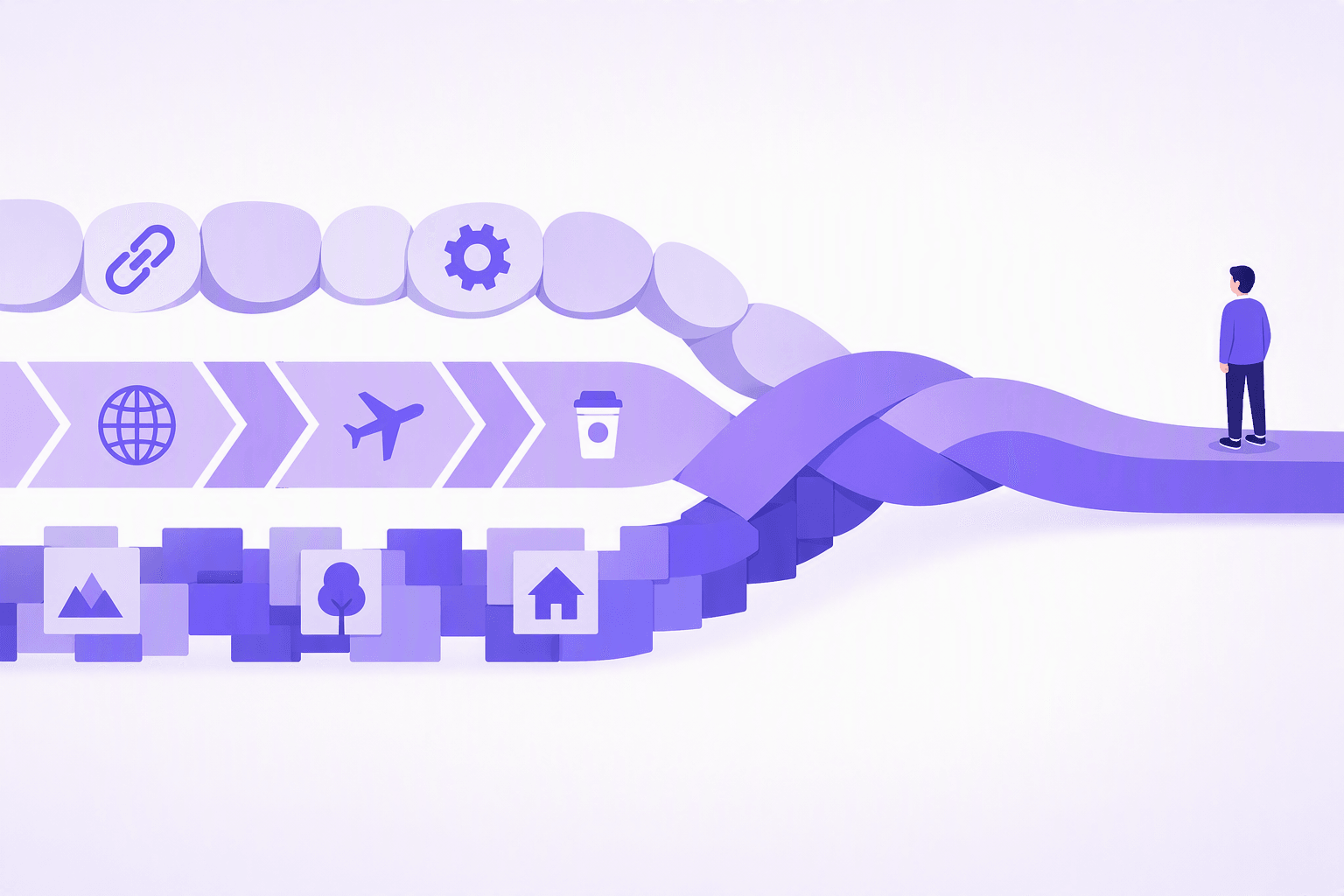
Kanji are not letters, they are meaning-based characters borrowed historically from Chinese and adapted to Japanese. Modern Japanese mixes all three scripts in the same sentence, and that mix is the secret to reading fluently.
Japan has roughly 123 million residents, and Japanese is also spoken in diaspora communities worldwide. Ethnologue lists Japanese as a major world language with well over 100 million native speakers (Ethnologue, 27th ed., 2024).
Why Japanese uses three scripts (and why it is actually helpful)
Hiragana and katakana encode pronunciation. Kanji compress meaning, reduce ambiguity, and speed up reading once you know common characters.
A simple example shows why: many Japanese words share the same pronunciation. Writing them in kanji helps you instantly see which word is intended, especially in adult writing.
"Japanese writing is not redundant, it is functionally specialized: kana makes morphology visible, while kanji makes lexical meaning visible."
Professor Shigeko Okamoto, linguist and editor, Japanese Language, Gender, and Ideology (Oxford University Press)
That division of labor is why native materials do not feel like an endless code. They feel structured, once you know what to look for.
Hiragana: the core script you must learn first
Hiragana (ひらがな, hee-rah-GAH-nah) is the default script for:
- Grammar endings (verb and adjective endings)
- Particles like は, が, を
- Many common native words, especially for kids or when kanji is rare
- Furigana, the small kana printed above kanji to show reading
If you want to understand subtitles, menus, and basic messages, hiragana is non-negotiable. It is also the script you will see constantly in beginner materials and in everyday Japanese.
ひらがな
Think of hiragana as the "glue" of Japanese sentences. Even advanced texts still rely on it for grammar, so it never stops being useful.
Pronunciation tip: Japanese vowels are pure and stable. A is "ah", i is "ee", u is "oo" (soft), e is "eh", o is "oh".
Katakana: the script of loanwords, sound effects, and emphasis
Katakana (カタカナ, kah-tah-KAH-nah) represents the same set of sounds as hiragana, but it signals different categories:
- Loanwords: コーヒー (KOH-hee, coffee)
- Foreign names: マイケル (MY-kay-roo, Michael)
- Onomatopoeia and sound effects in manga: ドキドキ (doh-kee doh-kee, heartbeat)
- Scientific names and technical terms
- Emphasis, similar to italics or ALL CAPS
If you use Wordy to learn from clips, katakana is the script that makes modern life feel readable fast, because it appears everywhere in brands, food, and pop culture.
カタカナ
Cultural note: katakana is also used for "cool" visual styling. You will see it in logos, fashion, and menus even when a word is not foreign, because it looks sharp and modern.
Kanji: characters that carry meaning
Kanji (漢字, KAHN-jee) are characters that represent meaning and often have multiple readings. You do not need thousands to start, but you do need a plan.
In real Japanese, kanji typically cover:
- Nouns (学校, school)
- Verb roots (食, eat)
- Adjective roots (高, high)
- Many names (山田, Yamada)
A practical beginner target is 300 to 600 high-frequency kanji, learned inside words. The Japan Foundation and other education bodies consistently emphasize learning kanji through vocabulary and context, not as isolated art practice (The Japan Foundation, 2023).
漢字
Kanji have two main reading types:
- On-yomi: Sino-Japanese readings, often used in compounds
- Kun-yomi: native Japanese readings, often used when a kanji stands alone with hiragana endings
You do not need to memorize every reading at once. Learn the reading that matches the word you are learning.
Romaji: helpful training wheels, risky long-term
Romaji (ローマ字, ROH-mah-jee) is Japanese written with the Latin alphabet. It is useful for:
- Typing early on
- Looking up words quickly
- Reducing overwhelm in the first few days
But romaji hides important pronunciation facts. For example, "shi" can trick English speakers into adding extra lip rounding, while し is a cleaner "shee" sound.
Use romaji briefly, then switch to kana. Your reading speed will jump once your brain stops translating through English spelling.
💡 A realistic beginner rule
Use romaji for under 7 days. After that, force kana in your notes, flashcards, and subtitles. Your pronunciation and listening will improve faster because kana maps more cleanly to Japanese sounds.
The sounds of Japanese: what kana actually represent
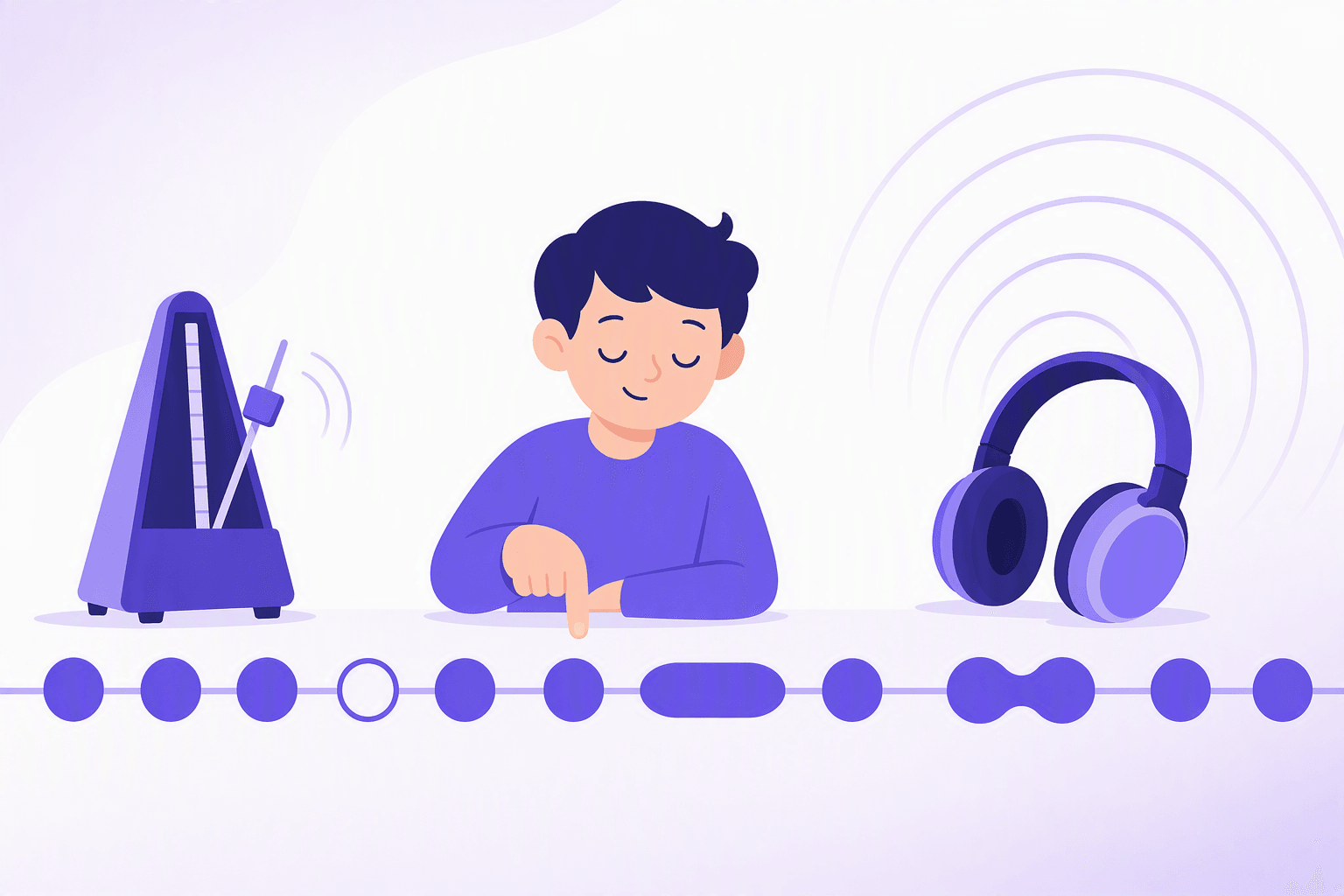
Kana represent morae, not English-style syllables. Mora timing is why Japanese rhythm sounds steady and why long vowels matter.
Here are the pronunciation features that most affect comprehension.
Small っ (sokuon)
The small っ (in hiragana) or ッ (in katakana) marks a "double consonant" pause. It is not a separate sound, it is a beat of silence before the consonant.
Example: きって (KIT-teh, stamp). If you say "KI-teh" you may be misunderstood.
ん (moraic N)
ん (N) is its own beat. Before b, p, m it often sounds like "m". Before k, g it can sound more nasal, like "ng".
Example: しんぶん (sheen-BOON, newspaper). Many learners rush it and lose clarity.
Long vowels
Long vowels change meaning. In katakana, a long vowel is often marked with ー.
Examples:
- おばさん (oh-bah-sahn, aunt) vs おばあさん (oh-bah-ah-sahn, grandmother)
- ビル (BEE-roo, building) vs ビール (BEE-roo, beer, with a longer vowel)
ゃ ゅ ょ (small ya/yu/yo)
Small ゃ ゅ ょ combine with the previous consonant to make sounds like kya, shu, cho.
Example: きょう (KYOH, today). Do not pronounce it as "kee-yoh".
How Japanese text mixes scripts (with a clear example)
A typical sentence might look like this:
私はコーヒーを飲みます。
What is happening:
- 私 and 飲 are kanji carrying meaning
- は, を, みます are hiragana showing grammar and endings
- コーヒー is katakana because it is a loanword
This mix is not random. It is a readability system that Japanese readers rely on, and it is why learning "just kanji" or "just hiragana" is never enough.
A beginner study plan that actually works (30 minutes a day)
Consistency beats intensity. A short daily routine is how you get to real reading, fast.
Week 1: Hiragana recognition and basic handwriting
Goal: instantly recognize all 46 basic hiragana.
Daily:
- 10 minutes: spaced repetition recognition
- 10 minutes: write 10 characters neatly (stroke order matters for legibility)
- 10 minutes: read simple words aloud
By the end of week 1, you should be able to read beginner greetings. Pair this with a clip-based approach so your kana connect to real speech. If you want ready-made listening practice, start with how to say hello in Japanese.
Week 2: Katakana recognition and loanword reading
Goal: recognize katakana and read common loanwords.
Daily:
- 10 minutes: spaced repetition
- 10 minutes: write the hardest katakana (they look similar at first)
- 10 minutes: read menus, brands, and subtitles
Katakana is high reward because it unlocks modern vocabulary quickly. You will start spotting words you already know from English, but pronounced in Japanese rhythm.
Weeks 3 to 8: Start kanji through words, not lists
Goal: learn 5 to 10 kanji per week, inside useful words.
Daily:
- 10 minutes: review kana quickly (do not let it fade)
- 10 minutes: learn 2 new words that include kanji
- 10 minutes: read one short text with furigana
NINJAL and other research bodies emphasize that script choice and reading ability are tied to real lexical knowledge, not abstract character knowledge (NINJAL, 2021). In plain terms: kanji stick when they are attached to words you care about.
⚠️ Common beginner trap
Do not spend your first month copying kanji for hours. You can produce beautiful characters and still be unable to read a sign. Prioritize recognition in context, then add handwriting later if you need it for school or work.
Pronunciation keys for every script (so you do not build bad habits)
Japanese pronunciation is learnable because it is consistent. The danger is importing English timing and stress.
Use these approximations as guardrails:
- らりるれろ: not English "r", closer to a light "d" plus "r" flap, like "tt" in American "butter"
- ふ: not "foo", closer to "hoo" with lips, "f" is very soft
- つ: "tsoo", one beat
- し: "shee"
- ち: "chee"
If you want to hear these in natural speed, movie clips are ideal because they show mouth movement and timing. Wordy is built for this kind of input, and you can compare formal vs casual speech in context.
For more everyday phrases once you read kana, continue with how to say goodbye in Japanese.
Cultural insights: what the scripts signal socially
Scripts carry tone, not just sound.
Katakana can feel blunt or "cold" in messages
In texting, writing a native Japanese word in katakana can add distance or emphasis. For example, using katakana for a normally-hiragana word can feel like you are being dramatic, joking, or intentionally stiff.
This is why katakana appears in advertising and manga: it is visually loud.
Hiragana can feel soft, cute, or childlike
Hiragana-only writing can feel gentle. You will see it in products aimed at kids, in cute branding, and sometimes in messages where the writer wants a warmer vibe.
That said, adults do not write everything in hiragana because it becomes harder to parse quickly.
Kanji choice can show education level and formality
In formal writing, using standard kanji is expected. In casual contexts, people may simplify, avoid rare kanji, or rely on kana for speed.
This is also why furigana is common in media: it broadens accessibility without "dumbing down" the content.
🌍 Why subtitles feel hard at first
Japanese subtitles often match the script conventions of written Japanese, not the exact spoken wording. A character might say a contracted casual form, while the subtitle uses a standard spelling with kanji and hiragana. Once you know the scripts, this mismatch becomes a learning advantage.
How many characters are there, really?
Kana are finite:
- 46 basic hiragana, plus diacritics and combinations
- 46 basic katakana, plus the same extensions
Kanji are effectively open-ended. Japanese education includes a standardized set for literacy. The official list used in modern Japanese life includes 2,136 Jōyō kanji, maintained by Japan's Agency for Cultural Affairs (Agency for Cultural Affairs, 2020).
You do not need all of them to start reading. But that number explains why kanji is a long-term project, not a weekend task.
Reading Japanese in the wild: what to learn for travel and daily life
If your goal is travel, prioritize:
- Hiragana and katakana recognition
- Numbers and counters (prices, times)
- High-frequency kanji for signs: 入, 出, 口, 山, 川, 駅
If your goal is relationships and media, prioritize:
- Kana plus the kanji that appear in your favorite genres
- Common emotional vocabulary and set phrases
- Casual contractions you hear in speech
A good next step after you can read kana is learning phrases that show up constantly in dialogue. For example, romantic lines in dramas make more sense once you can parse the scripts, see how to say I love you in Japanese.
Learning through clips: why it speeds up script mastery
Reading charts is abstract. Clips give you three things at once:
- The sound at natural speed
- The written form in subtitles
- The social context (politeness, emotion, relationship)
Research on language learning consistently finds that comprehension improves faster with authentic input, especially for listening and vocabulary growth. The Japan Foundation also frames real-world exposure as central to sustained progress (The Japan Foundation, 2023).
If you want a structured way to do this, start at /learn/japanese and combine it with short daily kana review.
What to avoid (so you do not waste months)
Avoid these patterns:
- Memorizing romaji spellings instead of kana
- Treating kanji as drawings rather than parts of words
- Ignoring long vowels and small っ
- Learning rare kanji early because they look interesting
If you are curious about how script choice affects tone, even taboo language shows it clearly. Katakana can make insults look sharper on the page, while hiragana can soften them. If you are studying real dialogue, read our guide to Japanese swear words carefully and use it for comprehension, not imitation.
A simple checklist to know you are progressing
You are on track if you can:
- Read any hiragana word slowly but correctly
- Read common katakana loanwords without reverting to English spelling
- Spot particles like は, が, を in sentences
- Recognize 50 to 100 kanji inside common words
Once you hit that point, Japanese stops looking like "symbols" and starts looking like language.
If you want more structured practice ideas, browse the Wordy blog and build a small routine you can keep for months, not days.
Frequently Asked Questions
Does Japanese have an alphabet like English?
How long does it take to learn hiragana and katakana?
Do I need kanji to speak Japanese?
Why are there two kana systems, hiragana and katakana?
What is romaji, and should I use it?
Sources & References
- Agency for Cultural Affairs (Japan), Japanese Writing System and Language Policy Materials, 2020
- National Institute for Japanese Language and Linguistics (NINJAL), Japanese Lexicon and Script Use Resources, 2021
- The Japan Foundation, Japanese-Language Education and Learning Resources, 2023
- Ethnologue, Japanese (jpn) Language Profile, 27th Edition, 2024
- Matsumoto, Y. & Okamoto, S. (eds.), Japanese Language, Gender, and Ideology, Oxford University Press, 2003
Start learning with Wordy
Watch real movie clips and build your vocabulary as you go. Free to download.


