Quick Answer
The best anime and movies to learn Japanese are My Neighbor Totoro and Terrace House for beginners, Spirited Away and Your Name for intermediate learners, and Neon Genesis Evangelion and Akira for advanced students. Japanese has 125 million native speakers and is classified by the FSI as a Category V language (the hardest category), requiring approximately 2,200 hours to reach proficiency.
Most "learn Japanese from anime" advice boils down to: watch stuff with subtitles. That is not a method. Some anime is great for learning. Some will teach you to talk like a feudal warlord. The difference matters. Japanese has 125 million native speakers and the FSI classifies it as a Category V language — the hardest category for English speakers, requiring approximately 2,200 hours to reach proficiency. Research by Montero Perez et al. (2013) found that captioned video significantly improved vocabulary retention compared to audio-only input, making anime and film an evidence-based study method when used correctly. This list mixes anime, live-action films, and one reality show, picked specifically because the Japanese in them is actually useful. Every entry notes the formality level, because Japanese has a whole spectrum from super-polite keigo to rough casual speech, and knowing the difference keeps you from accidentally being rude to your teacher (or weirdly formal with your friends). Start with the beginner picks. Once you can follow those without pausing every 5 seconds, move up.
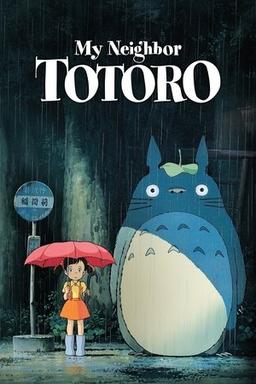
My Neighbor Totoro
The vocabulary is simple and the characters speak slowly. Most of the dialogue is between a father and his two young daughters, so the language is natural but not complex. You will hear everyday words for things like rain, trees, bus stops, and bathtime. The sentences are short. Perfect for your first full movie in Japanese.
Learning tip: Listen for how Satsuki (the older sister) uses polite speech with adults but switches to casual forms with Mei. This is your first real exposure to register-switching in Japanese.

Terrace House
This is unscripted reality TV where six strangers live together. Nobody is acting. They talk about groceries, work, dating, and cooking dinner. The speech is natural, the pace is slow compared to scripted shows, and the topics are exactly the kind of stuff you need vocabulary for in real life.
Learning tip: The panel commentary sections use more casual, jokey Japanese. Start by focusing on the housemate conversations, where the speech is clearer and more standard.
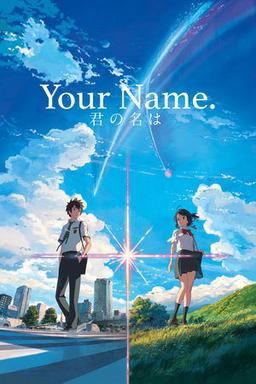
Your Name (Kimi no Na wa)
Makoto Shinkai writes dialogue that sounds like real teenagers talking. The main characters use casual Japanese throughout, and the emotional scenes repeat key phrases enough that they stick. The vocabulary is modern and practical, covering school life, commuting, phone calls, and daily routines.
Learning tip: Pay attention to how Mitsuha uses slightly more feminine speech patterns (like ending sentences with "wa" or "no") compared to Taki. This gendered speech distinction still shows up in real life, though it is softening over time.

Aggretsuko
A red panda works a boring office job and does death metal karaoke to cope. Each episode is only 15 minutes. The office scenes are packed with workplace Japanese: keigo (formal speech), business expressions, and the kind of passive-aggressive politeness that is a real part of Japanese work culture. Then when Retsuko snaps, you hear raw, angry casual Japanese. Two registers in one show.
Learning tip: Write down the polite phrases Retsuko uses with her boss, then compare them to what she screams at karaoke. Same meaning, completely different formality. That contrast is a fantastic way to learn keigo.

Midnight Diner (Shinya Shokudo)
A late-night Tokyo diner where each episode follows a different customer and their story. The dialogue is calm, warm, and full of everyday conversational Japanese. Characters come from all walks of life, so you hear a range of speech styles from rough to polite. Lots of food vocabulary, naturally.
Learning tip: The Master (the chef) speaks in short, measured sentences that are easy to parse. Use his lines as listening anchors when the customers get more complicated.
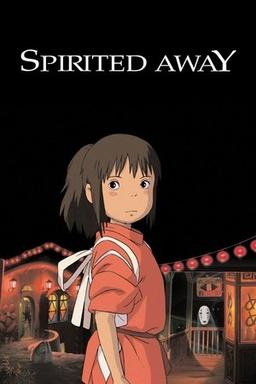
Spirited Away (Sen to Chihiro no Kamikakushi)
Harder than Totoro because the spirit world introduces unusual vocabulary and older, more formal speech patterns. Yubaba speaks with commanding, almost archaic authority. Haku shifts between gentle and urgent. Chihiro starts timid and becomes assertive. You get to hear how tone and word choice reflect power dynamics in Japanese.
Learning tip: Yubaba is a goldmine for learning how Japanese authority figures talk. Notice how other characters change their speech when addressing her versus talking among themselves.
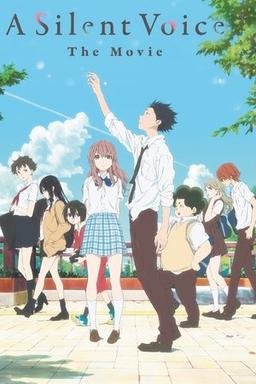
A Silent Voice (Koe no Katachi)
A film about bullying, disability, and reconciliation. The dialogue deals with emotions that go beyond surface-level conversation: guilt, forgiveness, anxiety. This pushes your vocabulary into territory most textbooks never cover. The characters are high schoolers, so the speech is casual and modern.
Learning tip: Shoko communicates partly through sign language and written notes. Watch how the other characters adjust their speech when talking to her. It is a real example of how Japanese speakers modify their language based on context.

Shoplifters (Manbiki Kazoku)
Hirokazu Kore-eda films people the way a documentary filmmaker would. The family in Shoplifters speaks in fragments, mumbles, interrupts each other, and leaves sentences half-finished. This is how Japanese actually sounds in intimate settings. If you can follow this, you can follow real conversation.
Learning tip: Do not worry about catching every word on first watch. The characters communicate as much through silence and tone as through words. Watch it twice: once for the story, once focused on the language.

Demon Slayer (Kimetsu no Yaiba)
Set in Taisho-era Japan, the dialogue mixes modern Japanese with older, more formal phrasing. Characters like Rengoku speak with dramatic, almost literary flair. The fight scenes use specialized vocabulary, and the emotional monologues are dense. Not easy, but incredibly satisfying when you start catching the nuances.
Learning tip: Tanjiro speaks relatively standard Japanese compared to the Hashira, who each have distinct speech quirks. Use Tanjiro as your baseline and treat the other characters as exposure to stylistic variation.
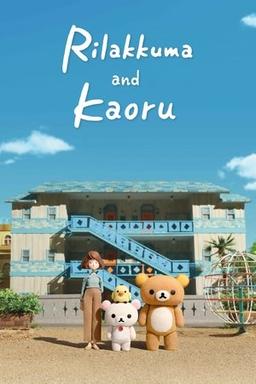
Rilakkuma and Kaoru
A stop-motion series about a woman and her lazy bear roommate. Kaoru narrates her daily life in simple, clear Japanese. The episodes are short (about 12 minutes each), the vocabulary is basic and domestic, and the pacing is gentle. It is one of the most relaxing ways to practice listening.
Learning tip: Kaoru often talks to herself or narrates her thoughts. This internal monologue style is great practice because it mirrors how you might describe your own day in Japanese.
Tips for Learning Japanese from Anime and Movies
Learn hiragana and katakana before you start. It takes about two weeks and it makes Japanese subtitles actually readable. Without kana, you are just guessing.
Pick one show and rewatch episodes instead of jumping between series. Your ears need time to adjust to specific voices and speech patterns. Familiarity builds comprehension.
Do not copy anime speech in real life without knowing the register. Naruto does not speak polite Japanese. If you walk into a job interview talking like a shounen protagonist, it will not go well.
Shadow the dialogue out loud. Japanese pronunciation has only 5 vowel sounds, which makes mimicking easier than you think. Pause, repeat, rewind. Your mouth needs reps just like your ears do.
Use Wordy to break down specific clips. Watching passively builds familiarity, but active study with word-by-word breakdowns is what turns recognition into real vocabulary.
Frequently Asked Questions
Can I actually learn Japanese from watching anime?
Will anime teach me weird or rude Japanese?
Should I watch with Japanese subtitles or English subtitles?
What is the difference between learning from anime versus live-action Japanese shows?
Sources & References
- Foreign Service Institute (FSI). "Language Difficulty Rankings." U.S. Department of State.
- Japan Foundation (2024). "Survey Report on Japanese-Language Education Abroad."
- Montero Perez, M. et al. (2013). "Captioning and Vocabulary Learning." Studies in Second Language Acquisition, 35(4), 633–650.
Start learning with Wordy
Watch real movie clips and build your vocabulary as you go. Free to download.


