Quick Answer
The best movies and TV shows to learn French are Amélie and Les Choristes for beginners, Lupin and Intouchables for intermediate learners, and La Haine and Les Revenants for advanced students. French is spoken by over 321 million people worldwide (Organisation internationale de la Francophonie, 2024) and is the fifth most spoken language globally.
French cinema has a reputation for being artsy and slow, and some of it definitely is. But there's also a huge range of comedies, thrillers, and binge-worthy series that happen to be fantastic for language learning. With 321 million speakers worldwide (OIF, 2024), French is the fifth most spoken language globally and one of the most rewarding to learn. French pronunciation trips up almost every learner (those silent letters, the nasal vowels, the liaisons), and no amount of textbook study fixes that as well as simply listening to hours of natural French speech. Research by Vanderplank (2016) confirms that captioned media significantly improves listening comprehension and pronunciation accuracy. The shows and films below cover different levels and genres, so you can find something that actually holds your attention while your brain quietly absorbs the language.

Emily in Paris
Yes, it's cheesy. Yes, actual French people make fun of it. But for beginners, it's surprisingly useful. The show mixes English and French constantly, with Emily learning basic French phrases throughout the series. When French characters speak, they often repeat themselves in English or the context makes the meaning obvious. It's like training wheels for French listening, and the episodes are light and short enough to watch daily without it feeling like homework.
Learning tip: Don't skip the French dialogue even though Emily does. When a French character says something and then the scene continues in English, rewind and listen to the French part again. The show essentially provides built-in translations.
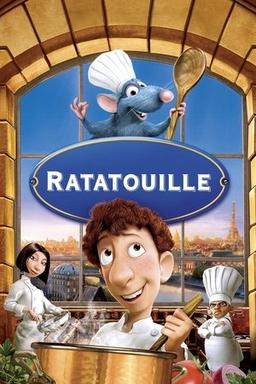
Ratatouille
Watch this one dubbed in French, not in English. The French dub is excellent, with clear pronunciation and a manageable pace. Because it's an animated film for families, the vocabulary is straightforward, and the visual storytelling means you can follow the plot even when dialogue escapes you. Bonus: you'll pick up food and cooking vocabulary, which is genuinely some of the most useful French you can learn.
Learning tip: Make a list of all the food-related vocabulary you hear. French cooking terms are used worldwide, and many of them (sauté, julienne, flambé) are words you might already know without realizing they're French.
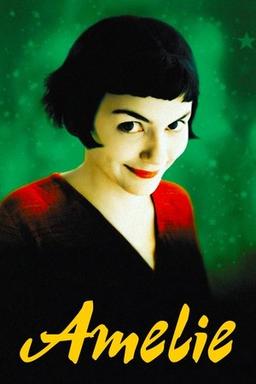
Amélie (Le Fabuleux Destin d'Amélie Poulain)
The narrator speaks in clear, deliberate French with beautiful diction. Amélie herself is a quiet character, so much of the film's language comes through narration rather than rapid conversation, which is much easier for beginners to follow. The sentences are descriptive and poetic without being complicated. It's also one of those films that makes you fall in love with French, which is the best possible motivation to keep studying.
Learning tip: The narrator describes characters and settings in detail using simple adjective constructions. Pause during these descriptions and try to translate them before reading the subtitle. It builds your descriptive vocabulary fast.
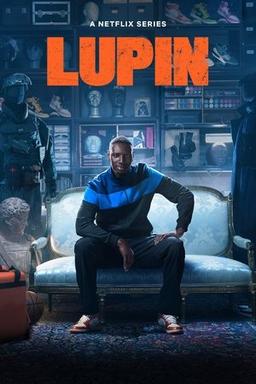
Lupin
Omar Sy speaks clear Parisian French at a natural but not overwhelming pace. The heist plots require the main character to explain his plans (often to himself or in flashbacks), which means you get exposition delivered in comprehensible French. The show is also packed with literary references to the original Arsène Lupin novels, giving you a taste of French literary culture. Each episode is a tight 40-50 minutes with enough suspense to keep you watching.
Learning tip: Assane often changes his speech register depending on who he's impersonating: street French with friends, formal French when pretending to be wealthy, professional jargon when posing as a worker. Track these shifts. They're a brilliant illustration of how register works in French.
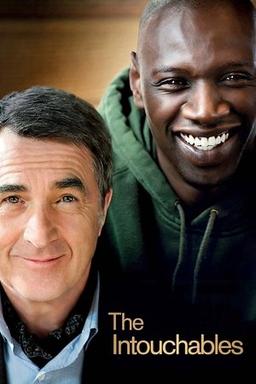
The Intouchables (Intouchables)
This film pairs a wealthy, educated Parisian (Philippe) with his caretaker from the banlieue (Driss). Their contrasting speech styles are the heart of the movie. Philippe uses polished, grammatically perfect French. Driss uses slang, verlan (French backslang), and informal constructions. Hearing both side by side teaches you the full spectrum of spoken French, from boardroom to street level.
Learning tip: Listen for verlan, where syllables are reversed ("meuf" for "femme," "relou" for "lourd"). Driss uses it frequently. Understanding verlan is essential for following casual French conversation, and most textbooks ignore it completely.
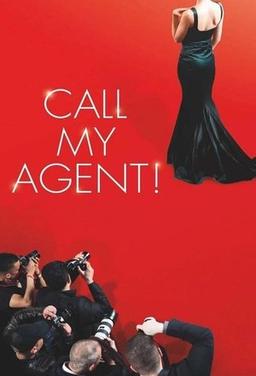
Call My Agent! (Dix Pour Cent)
Set in a Parisian talent agency, this show gives you professional French: phone calls, negotiations, office gossip, client management. The conversations are fast but grounded in workplace situations that repeat episode to episode, so you build familiarity with the vocabulary quickly. Real French actors play themselves, adding authenticity. It's also genuinely funny, which helps with the motivation problem.
Learning tip: Pay attention to how characters handle phone conversations. French phone etiquette has specific phrases and conventions that differ from English. You'll hear "allô," "je vous passe," and "ne quittez pas" constantly.
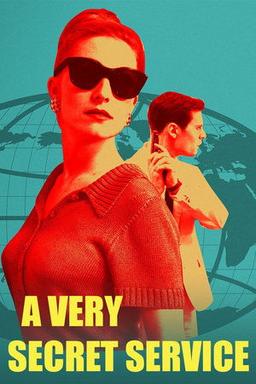
A Very Secret Service (Au service de la France)
This Cold War spy comedy is like a French version of Archer. The humor relies heavily on wordplay, bureaucratic jargon, and absurd misunderstandings, all delivered with impeccable comic timing. It forces you to listen carefully because the jokes only land if you catch the double meanings. The 1960s setting means the French is more formal and polished than modern shows, which is actually helpful for building a strong grammatical foundation.
Learning tip: The show is loaded with French bureaucratic language and military jargon played for laughs. When a phrase sounds absurdly formal, it's probably the joke. Try to identify which phrases are genuinely formal French and which are exaggerated for comedy.
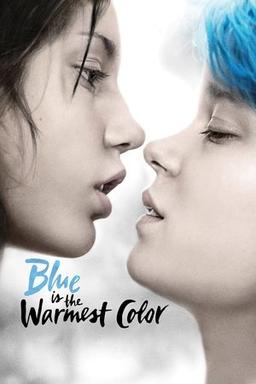
Blue Is the Warmest Color (La Vie d'Adèle)
The conversations in this film are long, intimate, and unscripted-feeling. Characters talk over each other, trail off mid-sentence, and mumble, exactly like real French speakers do. The café and classroom scenes feature passionate debates about philosophy, art, and literature delivered at natural speed. If you can follow the dinner party arguments in this film, you can handle real French intellectual conversation.
Learning tip: Watch the classroom scenes closely. They feature actual philosophical and literary discussions at the level you'd hear in a French lycée. Take notes on the vocabulary and look up the referenced authors and concepts.
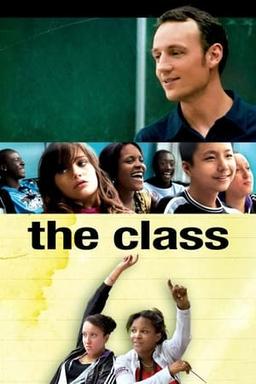
The Class (Entre les murs)
Shot in a real Parisian middle school with actual students (not professional actors), this film captures how French teenagers actually speak. The classroom setting means you hear both the teacher's standard French and the students' multicultural slang. The improvised dialogue is messy, fast, and full of interruptions, which is exactly what makes it so valuable. Real French doesn't come in neat, complete sentences.
Learning tip: The students frequently challenge the teacher's grammar rules with questions about why French works the way it does. These meta-conversations about language are incredibly useful for understanding French grammar from a native perspective.
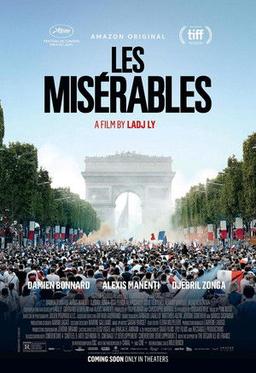
Les Misérables
Not the musical. This is Ladj Ly's raw drama about police tensions in the Paris banlieues. The French here is fast, slangy, and multicultural, mixing standard French with Arabic-influenced slang, verlan, and banlieue expressions. It's a stark contrast to the polished French in most language courses, and it represents how a huge portion of French speakers actually talk. If your goal is to understand all French speakers, not just news anchors, this film is essential.
Learning tip: The police characters switch between professional language (when on radio or speaking to superiors) and informal banlieue French (when on the streets). Notice how dramatically their language changes depending on context. This code-switching is a real phenomenon in French-speaking communities.
Tips for Learning French with Movies and TV Shows
French has a lot of sounds that don't exist in English (the "r," the nasal vowels, the "u" vs. "ou" distinction). Movies won't teach you to produce these sounds, but they train your ear to hear them. Combine watching with pronunciation exercises for the best results.
Turn on French subtitles, not English. French spelling is notoriously different from pronunciation, and seeing the written form while hearing the spoken form helps your brain connect the two. You will be surprised how many silent letters there are.
Don't skip French films because they seem "too artsy." French cinema covers every genre. If you like action, try the Taken series in French. If you like comedy, try Le Dîner de Cons. Match the genre to your interests.
Rewatch scenes where characters argue or get emotional. People speak most naturally (and most quickly) when emotions run high. These are the hardest scenes to understand but also the most rewarding to crack.
Use Wordy to practice the vocabulary you pick up from shows. Active recall through a language app reinforces passive recognition from watching, turning words you sort of know into words you actually use.
Frequently Asked Questions
Is Parisian French the only French I should learn from movies?
Why is spoken French so different from written French?
Are French movies with English subtitles helpful?
How long does it take to understand French movies without subtitles?
Sources & References
- Organisation internationale de la Francophonie (2024). "La Langue Française dans le Monde." Éditions Gallimard.
- Vanderplank, R. (2016). "Captioned Media in Foreign Language Learning and Teaching." Palgrave Macmillan.
- Foreign Service Institute (FSI). "Language Difficulty Rankings." U.S. Department of State.
Start learning with Wordy
Watch real movie clips and build your vocabulary as you go. Free to download.


