Quick Answer
Spring in Spanish is primavera /pɾimaˈβeɾa/. Learn practical Spanish spring vocabulary for weather, flowers, animals, clothing, activities, and seasonal phrases you can use in real conversations.
Spring in Spanish is la primavera /pɾimaˈβeɾa/. To talk about it naturally, learn words for warmer weather, rain, flowers, allergies, outdoor plans, and seasonal celebrations, then combine them in short sentences such as La primavera ya llegó /la pɾimaˈβeɾa ʝa ʎeˈɣo/, meaning spring has arrived.
Spanish is spoken by more than 600 million potential speakers worldwide according to the Instituto Cervantes, and it is official in 20 countries. That reach matters for seasonal vocabulary: spring begins around March in Spain and Mexico, but around September in Argentina, Chile, and Uruguay.
For a useful foundation beyond the season, start with common Spanish words. The words below will help you describe what you see, feel, wear, and do when la primavera /pɾimaˈβeɾa/ arrives.
| English | Spanish | Pronunciation | Note |
|---|---|---|---|
| spring | la primavera | lah pree-mah-BEH-rah | IPA /pɾimaˈβeɾa/. Feminine noun. |
| season | la estación | lah es-tah-SYOHN | IPA /estaˈsjon/. Also means station. |
| weather | el tiempo | el TYEHM-poh | IPA /el ˈtjempo/. Context distinguishes weather from time. |
| sun | el sol | el SOHL | IPA /el sol/. |
| sunshine | el sol | el SOHL | IPA /el sol/. The same word commonly covers sun and sunshine. |
| rain | la lluvia | lah YOO-byah | IPA /ˈʎuβja/. |
| rainbow | el arcoíris | el ar-koh-EE-rees | IPA /el aɾkoˈiɾis/. |
| cloud | la nube | lah NOO-beh | IPA /la ˈnuβe/. |
| storm | la tormenta | lah tor-MEHN-tah | IPA /la toɾˈmenta/. |
| wind | el viento | el BYEHN-toh | IPA /el ˈbjento/. |
| breeze | la brisa | lah BREE-sah | IPA /la ˈbɾisa/. |
| warm | cálido | KAH-lee-doh | IPA /ˈkalido/. Masculine form. |
| cool | fresco | FREHS-koh | IPA /ˈfɾesko/. Masculine form. |
| flower | la flor | lah FLOHR | IPA /la floɾ/. |
| garden | el jardín | el har-DEEN | IPA /el xaɾˈðin/. |
| tree | el árbol | el AR-bohl | IPA /el ˈaɾβol/. |
| leaf | la hoja | lah OH-hah | IPA /la ˈoxa/. |
| grass | la hierba | lah YER-bah | IPA /la ˈjeɾβa/. Also written yerba in some contexts. |
| seed | la semilla | lah seh-MEE-yah | IPA /la seˈmiʎa/. |
| pollen | el polen | el poh-LEHN | IPA /el poˈlen/. |
| allergy | la alergia | lah ah-LEHR-hyah | IPA /la aˈleɾxja/. |
| butterfly | la mariposa | lah mah-ree-POH-sah | IPA /la maɾiˈposa/. |
| bee | la abeja | lah ah-BEH-hah | IPA /la aˈβexa/. |
| bird | el pájaro | el PAH-hah-roh | IPA /el ˈpaxaɾo/. |
| nest | el nido | el NEE-doh | IPA /el ˈniðo/. |
| to bloom | florecer | floh-reh-SEHR | IPA /floɾeˈseɾ/. |
| to grow | crecer | kreh-SEHR | IPA /kɾeˈseɾ/. |
| to plant | plantar | plahn-TAHR | IPA /planˈtaɾ/. |
| to water | regar | reh-GAHR | IPA /reˈɣaɾ/. |
| to walk | pasear | pah-seh-AHR | IPA /paseˈaɾ/. |
| to have a picnic | hacer un picnic | ah-SEHR oon PEEK-neek | IPA /aˈseɾ um ˈpiknik/. |
| short sleeves | las mangas cortas | lahs MAHN-gahs KOR-tahs | IPA /las ˈmaŋɡas ˈkoɾtas/. |
| jacket | la chaqueta | lah chah-KEH-tah | IPA /la tʃaˈketa/. |
| umbrella | el paraguas | el pah-RAH-gwahs | IPA /el paˈɾaɣwas/. |
| Easter | la Pascua | lah PAHS-kwah | IPA /la ˈpaskwa/. |
| spring break | las vacaciones de primavera | lahs bah-kah-SYOH-nehs deh pree-mah-BEH-rah | IPA /las βakaˈsjones de pɾimaˈβeɾa/. |
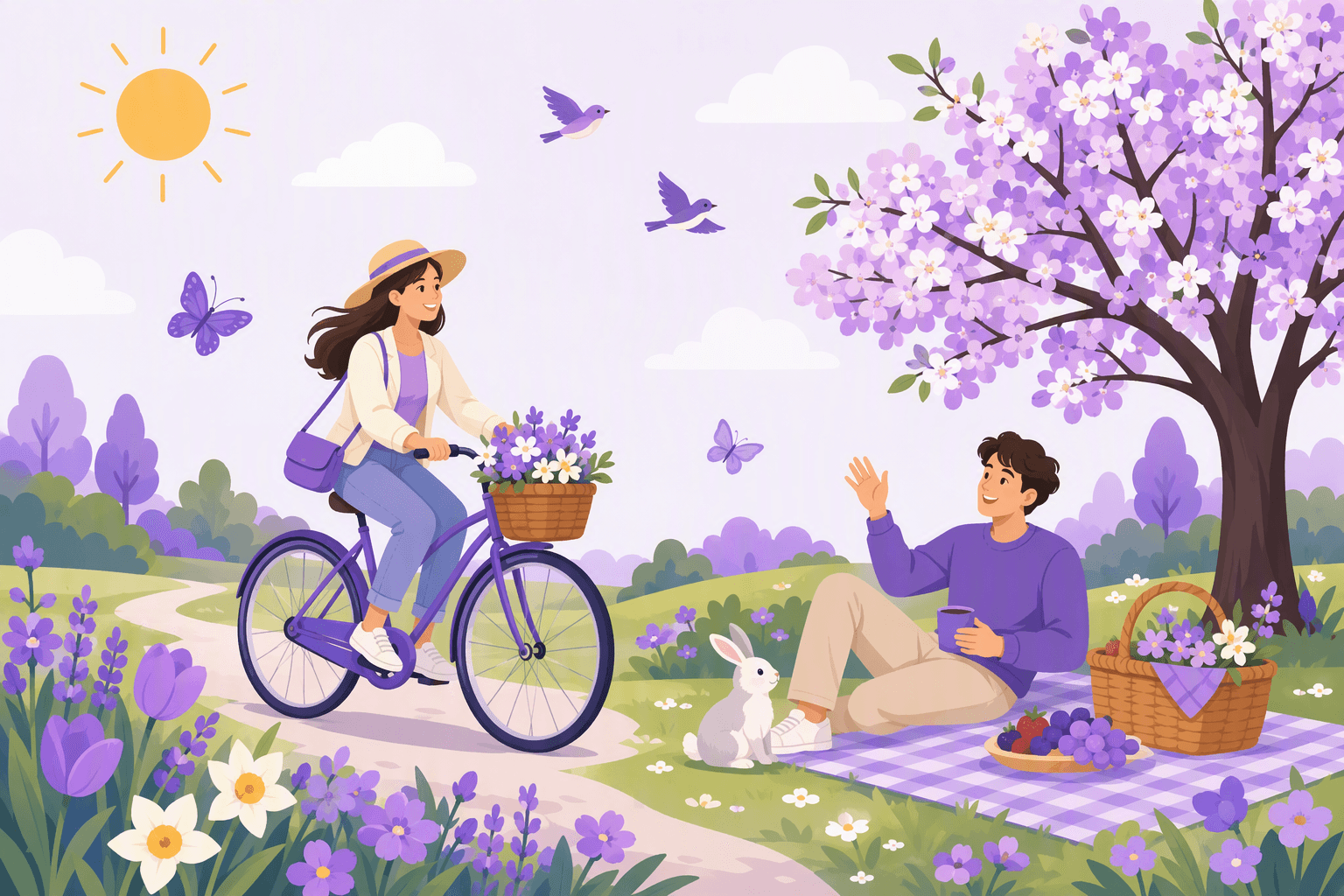
La primavera
La primavera /pɾimaˈβeɾa/ is a feminine noun, so it takes la /la/: la primavera /la pɾimaˈβeɾa/. Spanish uses the definite article more often than English does when talking about seasons.
Say Me gusta la primavera /me ˈɣusta la pɾimaˈβeɾa/, meaning I like spring. To say what happens in spring, use En primavera /em pɾimaˈβeɾa/, meaning in spring: En primavera, los días son más largos /em pɾimaˈβeɾa los ˈdias son mas ˈlaɾɣos/.
Unlike English, Spanish does not capitalize seasons unless they begin a sentence. Write primavera /pɾimaˈβeɾa/, not Primavera, in ordinary prose.
Estaciones
The four seasons are la primavera /la pɾimaˈβeɾa/, el verano /el beˈɾano/, el otoño /el oˈtoɲo/, and el invierno /el imˈbjeɾno/. Knowing them makes weather reports, travel plans, and casual small talk much easier to follow.
| English | Spanish | IPA |
|---|---|---|
| spring | la primavera | /la pɾimaˈβeɾa/ |
| summer | el verano | /el beˈɾano/ |
| autumn | el otoño | /el oˈtoɲo/ |
| winter | el invierno | /el imˈbjeɾno/ |
Spanish regional variation is real, but these season names are understood throughout the Spanish-speaking world. Linguist Francisco Moreno Fernández, in Variedades de la lengua española, emphasizes that shared standard vocabulary coexists with strong regional ways of speaking.
El tiempo de primavera
In daily Spanish, el tiempo /el ˈtjempo/ can mean both time and weather. When the topic is clouds, temperature, or rain, it clearly means weather.
The most useful pattern is Hace... /ˈase/, literally it makes. Spanish uses it for general weather conditions:
- Hace buen tiempo /ˈase βwen ˈtjempo/: The weather is nice.
- Hace calor /ˈase kaˈloɾ/: It is hot.
- Hace fresco /ˈase ˈfɾesko/: It is cool.
- Hace viento /ˈase ˈbjento/: It is windy.
- Hace sol /ˈase sol/: It is sunny.
For rain, use Llueve /ˈʎweβe/ or Está lloviendo /esˈta ʎoˈβjendo/. The first means it rains or it is raining, while the second specifically emphasizes that rain is happening now.
Lluvia
La lluvia /la ˈʎuβja/ is often part of spring imagery, especially in areas with rainy springs. You might hear Las lluvias de primavera /las ˈʎuβjas de pɾimaˈβeɾa/, meaning spring rains.
Use Necesito un paraguas /neseˈsito um paˈɾaɣwas/ when you need an umbrella. In many parts of Latin America, sombrilla /somˈbɾiʎa/ can also mean umbrella, though it can specifically suggest a parasol depending on the country.
Sol
El sol /el sol/ means both sun and sunshine. Say Hay sol /aj sol/ for there is sun, or Está soleado /esˈta soleˈaðo/ for it is sunny.
A natural sentence is Hoy hace sol, vamos al parque /oj ˈase sol ˈbamos al ˈpaɾke/, meaning it is sunny today, let’s go to the park. For broader weather vocabulary, see our Spanish weather vocabulary guide.
💡 Use weather phrases as conversation starters
In Spanish, a quick comment about weather is an easy social opener. Try Hola, qué buen día hace hoy /ˈola ke βwen ˈdia ˈase oj/, meaning Hello, what a nice day it is today.
Flores, plantas y animales
Spring vocabulary becomes more memorable when you connect each word to something you can see. On a walk, notice las flores /las ˈfloɾes/, los árboles /los ˈaɾβoles/, las hojas /las ˈoxas/, and la hierba /la ˈjeɾβa/.
Florecer /floɾeˈseɾ/ means to bloom or blossom. Las flores florecen en primavera /las ˈfloɾes floɾeˈsen em pɾimaˈβeɾa/ means flowers bloom in spring.
La flor
La flor /la floɾ/ is flower, while el ramo de flores /el ˈramo de ˈfloɾes/ is a bouquet. The phrase regalar flores /reɣaˈlaɾ ˈfloɾes/ means to give flowers as a gift.
You may see flor /floɾ/ used in affectionate or poetic language, but it is not a universal pet name. For romantic language that sounds natural rather than overly theatrical, read how to say I love you in Spanish.
La abeja
La abeja /la aˈβexa/ means bee, and la mariposa /la maɾiˈposa/ means butterfly. El pájaro /el ˈpaxaɾo/ is bird, although some countries use more specific everyday terms for particular birds.
A useful sentence is Las abejas buscan flores /las aˈβexas ˈbuskan ˈfloɾes/, meaning bees look for flowers. The verb buscar /busˈkaɾ/ means to look for.
El polen
El polen /el poˈlen/ is pollen, and la alergia /la aˈleɾxja/ is an allergy. Spring allergies are a familiar topic in Spanish-speaking communities just as they are elsewhere.
Say Tengo alergia al polen /ˈteŋɡo aˈleɾxja al poˈlen/, meaning I am allergic to pollen. If you have symptoms, Estornudo mucho /estoɾˈnuðo ˈmutʃo/ means I sneeze a lot.
Actividades de primavera
Las actividades de primavera /las aktiβiˈðaðes de pɾimaˈβeɾa/ are often simple outdoor activities. Dar un paseo /daɾ um paˈseo/ means to take a walk, and pasear /paseˈaɾ/ means to stroll or walk around.
Try Vamos a dar un paseo /ˈbamos a daɾ um paˈseo/, meaning let’s take a walk. It is a friendly suggestion for friends, family, or a date.
Plantar
Plantar /planˈtaɾ/ means to plant, while regar /reˈɣaɾ/ means to water plants. Voy a plantar semillas /boj a planˈtaɾ seˈmiʎas/ means I am going to plant seeds.
In Spain, regar las plantas /reˈɣaɾ las ˈplantas/ is the standard phrase. Across Latin America, the same expression is widely understood and used.
Picnic
Hacer un picnic /aˈseɾ um ˈpiknik/ means to have a picnic. The noun picnic /ˈpiknik/ is a borrowing from English, but it is fully familiar in contemporary Spanish.
You can say Hacemos un picnic en el parque /aˈsemos um ˈpiknik en el ˈpaɾke/, meaning we are having a picnic in the park. The present tense can describe a planned near-future activity when the context is clear.
🌍 Spring does not arrive at the same time everywhere
Spanish connects communities across both hemispheres. In Madrid or Mexico City, spring normally begins around March. In Buenos Aires, Santiago, and Montevideo, primavera /pɾimaˈβeɾa/ begins around September. Always check the speaker's location before assuming their seasonal calendar.
Ropa y planes para días cambiantes
Spring weather can change quickly, so clothing words are useful. La chaqueta /la tʃaˈketa/ means jacket, and las mangas cortas /las ˈmaŋɡas ˈkoɾtas/ means short sleeves.
Say Necesito una chaqueta /neseˈsito una tʃaˈketa/ when it is cool. If the day turns warm, Hoy llevo mangas cortas /oj ˈʎeβo ˈmaŋɡas ˈkoɾtas/ means I am wearing short sleeves today.
To make a plan, use ¿Quieres ir al parque? /ˈkjeɾes iɾ al ˈpaɾke/, meaning do you want to go to the park? Begin naturally with a greeting from our guide to saying hello in Spanish, then close plans warmly with phrases from how to say goodbye in Spanish.
Pascua y celebraciones de primavera
La Pascua /la ˈpaskwa/ means Easter. In Spain, Easter week is commonly called la Semana Santa /la seˈmana ˈsanta/, and it is marked by processions, religious observances, family gatherings, and regional food traditions.
Do not assume that every Spanish-speaking country observes Easter in the same way. Local practices differ sharply, and Manuel Alvar’s dialectological work is a useful reminder that language and custom develop region by region, not as one single Hispanic culture.
In many schools and workplaces, las vacaciones de primavera /las βakaˈsjones de pɾimaˈβeɾa/ means spring break. This phrase is especially practical for discussing travel, school schedules, and family plans.
Five natural spring sentences to practice
Use these sentences aloud, then adapt one word at a time.
-
La primavera es mi estación favorita. /la pɾimaˈβeɾa es mi estaˈsjon faβoˈɾita/
Spring is my favorite season. -
Hoy hace buen tiempo y hay sol. /oj ˈase βwen ˈtjempo i aj sol/
The weather is nice and sunny today. -
Me gustan las flores de este jardín. /me ˈɣustan las ˈfloɾes de ˈeste xaɾˈðin/
I like the flowers in this garden. -
Vamos a pasear después de la lluvia. /ˈbamos a paseˈaɾ desˈpwes de la ˈʎuβja/
Let’s go for a walk after the rain. -
Tengo alergia al polen en primavera. /ˈteŋɡo aˈleɾxja al poˈlen em pɾimaˈβeɾa/
I have a pollen allergy in spring.
How to remember Spanish spring vocabulary
Group vocabulary by scenes rather than memorizing a long alphabetical list. Imagine walking through a park: el sol /el sol/, la brisa /la ˈbɾisa/, las flores /las ˈfloɾes/, las abejas /las aˈβexas/, and then la lluvia /la ˈʎuβja/.
Next, make short personal sentences. Me gusta pasear /me ˈɣusta paseˈaɾ/ is easier to retain than an isolated translation because it gives pasear /paseˈaɾ/ a purpose and a feeling.
Finally, listen for these words in real dialogue. Spring scenes in films and series often contain useful weather comments, invitations, clothing references, and plans. Pair this list with Spanish listening practice so the words become sounds you recognize immediately, not just items you can translate.
Frequently Asked Questions
What is spring in Spanish?
How do you say spring weather in Spanish?
What are common spring activities in Spanish?
Does primavera mean anything besides spring in Spanish?
Which countries celebrate spring in Spanish-speaking cultures?
Sources & References
- Instituto Cervantes, El español: una lengua viva, accessed 2026
- Real Academia Española, Diccionario de la lengua española, accessed 2026
- Ethnologue, 27th edition, 2024
- Manuel Alvar, Manual de dialectología hispánica, Ariel
- Moreno Fernández, Variedades de la lengua española, Routledge
Start learning with Wordy
Watch real movie clips and build your vocabulary as you go. Free to download.


