worldwide rating
Apps We Love
Learn Spanish with Movies & TV Shows
Spanish is spoken across 20 countries, each with its own flavor. Hear real Mexican, Argentine, and Castilian accents from movies and shows.


Spanish is spoken across 20 countries, each with its own flavor. Hear real Mexican, Argentine, and Castilian accents from movies and shows.
Spanish has more native speakers than English. With 475 million native speakers, it is the second most spoken first language in the world after Mandarin.
The FSI rates Spanish as a Category I language, the easiest group for English speakers. You share thousands of cognates like "hospital," "animal," and "chocolate."
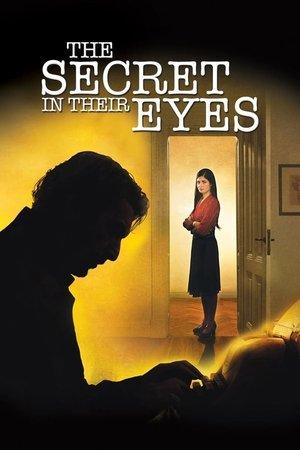
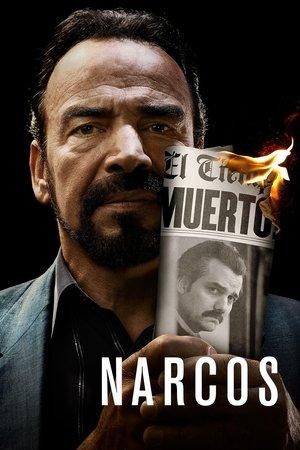
Spanish-language TV and film are exploding globally. Shows like La Casa de Papel and Narcos have proven that Spanish content draws worldwide audiences.
Learn Spanish from 15,000+ clips from movies and shows you actually want to watch.
Hear something new? You'll never miss a word again.
Quick challenges using the scenes you just watched.
Every clip is a mini lesson. The more you watch, the more you know.
Most language apps drill you with artificial sentences. Wordy teaches Spanish from real movies and TV shows: you hear native speakers at natural speed, learn the words they actually use, and lock them in with quizzes built from the scenes you just watched. With 9,000+ words organized from beginner to advanced, spaced repetition, and a free tier, it is the most enjoyable way to make Spanish stick.
10 Best Movies and TV Shows to Learn Spanish
Read our movie and TV guide →
Both mean "to be" but are used differently. Wordy's movie clips make this intuitive. You hear them in real situations repeatedly. Pay attention to descriptions (ser) vs. states and locations (estar).
Latin American and European Spanish differ in vocabulary and pronunciation. Choose content from one region to build a solid base, then branch out. Mexican Spanish is the most widely understood variant.
In Caribbean and Andalusian Spanish, the "s" at the end of words often disappears. In Argentine Spanish, "ll" sounds like "sh." Hearing these variations in Wordy clips prevents confusion when you encounter these accents in real life.
Spanish is the official language of 20 countries, more than any other language except English (United Nations).
The Royal Spanish Academy (RAE) has regulated the language since 1713, making it one of the oldest language authorities still active (RAE).
Spanish and English share about 30-40% of their vocabulary through Latin roots and cognates (Ethnologue).