Quick Answer
The best perfect rhymes for 'time' are one-syllable words like 'rhyme', 'climb', 'chime', and 'prime' (depending on accent). If you include near rhymes, you can also use 'mind', 'line', 'light', and 'tonight' for smoother lyrics and more natural speech. This guide lists both types, explains pronunciation differences, and shows how to use them in writing.
The best words that rhyme with "time" are perfect rhymes like "rhyme," "chime," "prime," "mime," and "thyme" (all pronounced with the long I sound, like "TYME"). If you also allow near rhymes, you unlock far more options for lyrics and poetry, including "mind," "line," "fine," and "tonight."

| English | English | Pronunciation | Formality |
|---|---|---|---|
| Perfect rhyme | rhyme | RYME (like 'time') | casual |
| Perfect rhyme | chime | CHYME | casual |
| Perfect rhyme | prime | PRYME | casual |
| Perfect rhyme | mime | MYME | casual |
| Perfect rhyme | thyme | TYME | casual |
| Near rhyme | mind | MYND | casual |
| Near rhyme | line | LYNE | casual |
| Near rhyme | fine | FYNE | casual |
| Near rhyme | tonight | tuh-NYTE | casual |
If you are writing lyrics, you will also get better results by mixing end rhymes with internal rhymes and rhythm patterns. For more English sound and usage help, browse the Wordy blog or compare varieties in American vs British English.
What it means to "rhyme" with time
In English, a perfect rhyme matches the stressed vowel and everything after it. For "time" (pronounced "TYME"), that usually means the "eye" vowel plus an "m" sound at the end.
A near rhyme is close enough to feel connected, but not identical. Near rhymes are extremely common in modern songwriting because they sound less predictable and give you more vocabulary freedom.
"Rhyme is not simply a matter of identical endings, it is a resource for patterning sound, and poets exploit degrees of similarity as much as exact matches."
David Crystal, linguist, The Cambridge Encyclopedia of the English Language (3rd ed.)
Pronunciation: what sound are we matching?
"Time" is typically /taɪm/ in many dictionaries, with the vowel /aɪ/ (the long I sound). Cambridge Dictionary provides audio for multiple English varieties, and you can hear that the core vowel stays similar even when the accent changes.
Why spelling misleads you
English spelling is not a reliable guide to rhyme. "Thyme" looks different but sounds the same as "time" (both "TYME").
Likewise, "climb" often rhymes with "time" in modern pronunciation because the "b" is silent. But some speakers articulate it slightly differently in careful speech, so it can sit between perfect and near rhyme depending on delivery.
💡 Fast test for rhyme
Say the last stressed vowel loudly: TIME. Now say your candidate word. If the vowel and ending consonant match naturally at speaking speed, it is a usable rhyme for lyrics.
Perfect rhymes for time (end-rhyme ready)
These are the most dependable one-syllable rhymes for "time" in mainstream contemporary English. They share the "TYME" sound.
| English | Pronunciation | Note |
|---|---|---|
| rhyme | RYME | Meta, but common in writing about writing. |
| chime | CHYME | Often used for bells, clocks, notifications. |
| prime | PRYME | Means best, most important, or a prime number. |
| crime | KRYME | Very common in rap narratives and headlines. |
| mime | MYME | Stage performance without speech. |
| thyme | TYME | Herb used in cooking, spelling is a trap. |
| climb | KLYME | Often a perfect rhyme in modern accents, silent 'b'. |
| sublime | suh-BLYME | Two syllables, but ends with the same rhyme unit. |
How to use perfect rhymes without sounding repetitive
Perfect rhymes are powerful, but they can feel singsong if you stack them too predictably. A simple fix is to vary sentence length and stress.
Try alternating a perfect end rhyme with an internal rhyme in the next line, so the ear stays interested.
Near rhymes for time (more natural for modern lyrics)
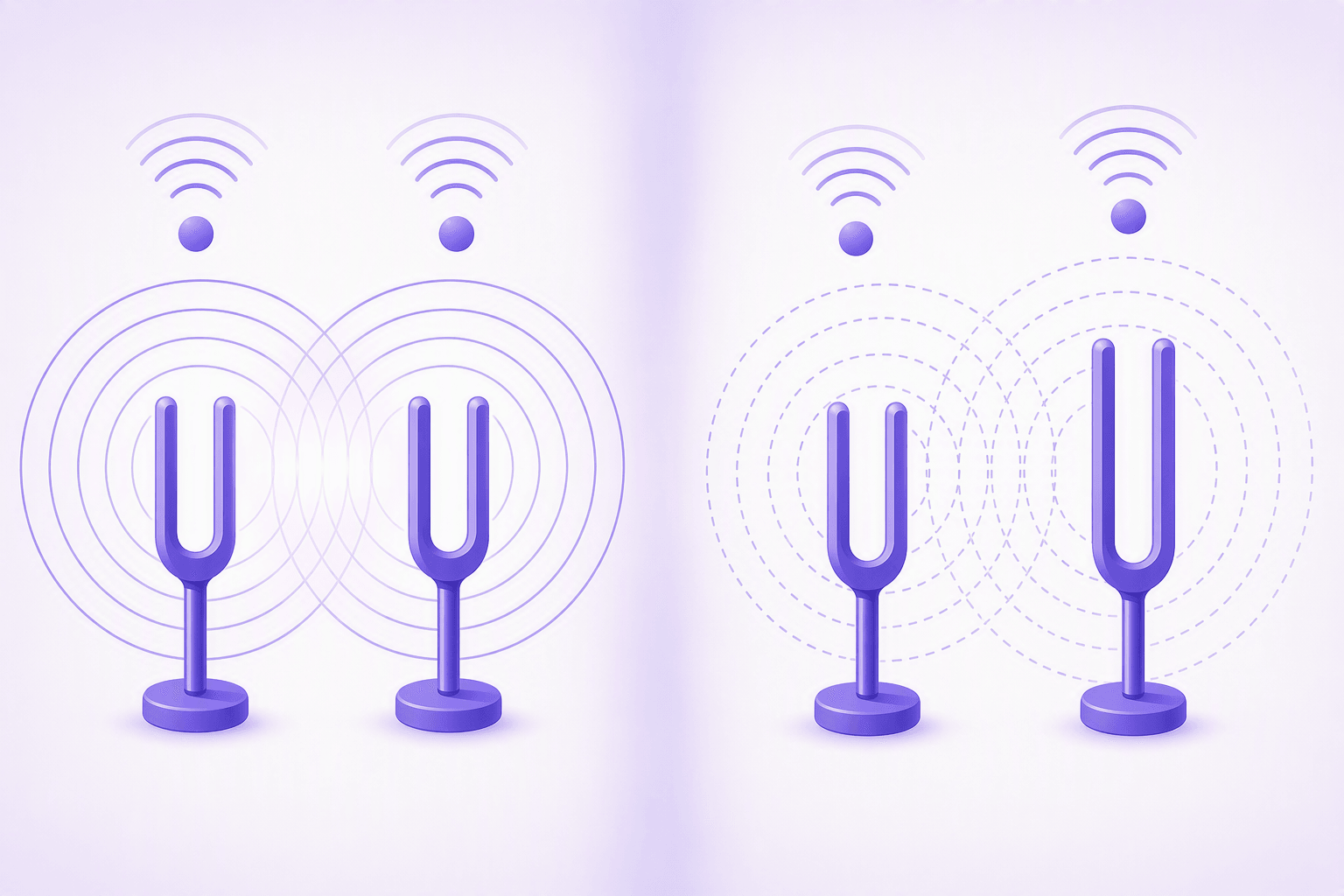
Near rhymes are where most writers win. They let you keep meaning and tone while still giving the listener a satisfying sound pattern.
Here are near rhymes that commonly pair well with "time" in pop, film dialogue, and rap.
| English | Pronunciation | Note |
|---|---|---|
| mind | MYND | Shares the long I vowel, different ending consonant. |
| find | FYND | Works well in conversational lines. |
| kind | KYND | A soft near rhyme, good for emotional tone. |
| line | LYNE | Very common in hooks, easy to sing. |
| fine | FYNE | Often used ironically: 'I'm fine'. |
| sign | SYNE | Silent 'g', strong long I vowel match. |
| light | LYTE | Shares vowel, ends with 't' sound. |
| tonight | tuh-NYTE | Two syllables, strong in choruses. |
| alive | uh-LYV | Shares vowel feel, ends with 'v'. |
| eyes | EYEZ | Great for internal rhyme with 'time'. |
When near rhymes sound better than perfect rhymes
Near rhymes often feel more like real speech. That matters because English dialogue, especially in movies and TV, tends to avoid neat, nursery-rhyme endings unless it is a joke or a character trait.
If you are learning English through clips, you will hear near rhymes constantly in songs, slogans, and punchlines. That is one reason movie-based listening practice works well for rhythm and stress patterns, not just vocabulary.
Multi-word rhymes and rhyme phrases for time
English writers frequently rhyme phrases, not single words. This is especially common in hip-hop, where multi-syllable rhyme (sometimes called "compound rhyme") is a core technique.
Here are practical phrase-level rhymes that end on the "time" sound.
| Rhyme phrase | Pronunciation | Why it works |
|---|---|---|
| "on time" | "on TYME" | Natural everyday phrase, easy to fit. |
| "right on time" | "RYTE on TYME" | Strong cadence, common in dialogue. |
| "in time" | "in TYME" | Flexible meaning: eventually, before it is too late. |
| "this time" | "this TYME" | Great for storytelling and contrast. |
| "next time" | "nekst TYME" | Useful for advice, warnings, promises. |
| "my time" | "my TYME" | Personal, motivational tone. |
💡 Songwriting trick
If you cannot find a single-word rhyme that fits your meaning, rhyme a phrase. English listeners accept phrase rhymes naturally because everyday speech already uses them.
Accent and dialect differences: why your rhyme might "work" or not
English is a global language, and pronunciation shifts across regions. Ethnologue estimates around 1.5 billion total English speakers worldwide when you include native and second-language speakers, which means rhyme choices often travel across accents and media markets (Ethnologue, 2024).
The "trap": different vowels in different places
Most speakers will rhyme "time" with "crime" and "prime" easily. But the feel of the vowel can change slightly across accents, especially between some UK varieties and some North American varieties.
If you are writing for performance, the real test is the performer’s accent. A rhyme that feels perfect in one voice can feel slightly off in another, and that is not a failure, it is normal phonetics.
Why this matters in movies and TV
Film and TV have trained audiences to accept accent variety. A British detective, an American teen, and an Australian comedian can all say "time," but the musicality differs.
If you are studying pronunciation, pair this article with the English pronunciation guide to hear how stress and vowels change across contexts.
Cultural insight: why "time" rhymes show up everywhere
"Time" is one of the most culturally loaded words in English media. It anchors themes like urgency, aging, deadlines, and fate, which is why it appears constantly in titles, hooks, and catchphrases.
In American pop culture, "time" also pairs naturally with money and work. That connection is so strong that even near rhymes like "mine" and "grind" show up as sound partners in modern lyrics, because the meaning network is already there.
In British media, "time" often leans toward irony or understatement, especially in workplace or family scenes. A near rhyme can match that tone better than a perfect rhyme, because it sounds less like a punchline.
🌍 Why near rhymes feel 'cooler' in 2026 English
Perfect rhymes can sound theatrical. Near rhymes match the looser, more conversational style that dominates streaming dialogue, social media captions, and contemporary rap flows.
Writing examples: clean couplets you can reuse
These examples show how to use perfect rhymes and near rhymes without forcing grammar. Read them aloud at speaking speed.
Perfect rhyme examples
- "Give me a sign, I will make the time."
- "We heard the chime, and knew it was time."
- "In my prime, I still run out of time."
Near rhyme examples
- "I changed my mind, but I am out of time."
- "Hold the line, I will be there on time."
- "It felt fine, until we ran out of time tonight."
⚠️ Avoid the 'dictionary rhyme' problem
If you pick a rhyme because it exists on a list, but you would never say that word in real life, the line will sound unnatural. Near rhymes plus everyday vocabulary usually beat rare perfect rhymes.
Rhyme strategies that work in rap, poetry, and speeches
You do not need more rhymes, you need better placement. These techniques are common in English music and memorable public speaking.
Internal rhyme (rhyming inside the line)
Internal rhyme makes lines feel fast and musical without relying on end rhymes.
Example pattern: "I buy time, I try, I climb, I find my way."
Consonance and assonance (sound similarity without full rhyme)
Assonance repeats vowel sounds. Consonance repeats consonant sounds.
With "time," you can repeat the long I vowel across a whole section: "mind," "find," "light," "sign," "alive."
Rhyme families (build a cluster, not a single pair)
Instead of one rhyme partner, build a family around the same sound. This is how hooks get catchy.
A "time" family might include: time, prime, crime, mind, line, tonight.
If you want more modern vocabulary for lyrics and dialogue, learn a few expressions from English slang, then try rhyming them with "time" using near rhymes.
Common mistakes learners make with "time" rhymes
Even advanced learners can write rhymes that look correct but sound off. These are the most frequent issues.
Mistake 1: trusting spelling over sound
"Thyme" rhymes with "time," but "team" does not. The letters are not the rule, the vowel sound is.
Mistake 2: ignoring stress
Multi-syllable words only rhyme if the stressed part matches the stressed part of "time." That is why "sublime" can work, but you need to feel where the stress lands: "suh-BLYME."
Mistake 3: overusing one easy rhyme
Writers often lean on "crime" and "prime" because they are common. If your verse ends every other line with "crime/time," it will feel predictable.
Swap in a near rhyme, or rhyme a phrase like "right on time" instead.
Mini practice: turn everyday English into rhyming lines
Pick one everyday topic and write two lines. Use one perfect rhyme and one near rhyme.
Here are prompts that naturally connect to "time":
- deadlines, schedules, and calendars (pair with English months)
- counting and pacing (pair with English numbers)
- frustration or emphasis (be careful with tone, see English swear words)
A simple template that works
- Line 1: statement with "time"
- Line 2: response with a rhyme partner
Example:
- "I said I would call, but I lost track of time."
- "I was in my head, trying to change my mind."
How Wordy helps you hear rhymes in real speech
Rhyming is not just a writing skill, it is a listening skill. When you hear repeated vowel patterns in movie dialogue or songs, your brain starts predicting sound, which improves comprehension and pronunciation.
If you want to train that skill, practice with short clips where you can replay lines and shadow the rhythm. That is also a good complement to pronunciation-focused study like the English pronunciation guide.
Near the end of your session, try writing one couplet using a word you heard in a clip. Keep it simple, then refine it.
Key takeaways
- Perfect rhymes for "time" include "rhyme," "chime," "prime," "mime," and "thyme" (all "TYME").
- Near rhymes like "mind," "line," "fine," and "tonight" often sound more natural in modern English.
- Accent and stress matter, so always read your lines aloud.
- The strongest writing uses rhyme as a tool, not a cage.
For more practical English learning guides, explore English slang and build your listening skills with real dialogue on /learn/english.
Frequently Asked Questions
What are the best perfect rhymes for 'time'?
What is a near rhyme for 'time'?
Does 'time' rhyme with 'crime' in all accents?
Why do rappers use words that do not perfectly rhyme with 'time'?
How can I avoid forced rhymes with 'time'?
Sources & References
- Oxford English Dictionary (OED), 'rhyme' and phonetic entries, 2025
- Cambridge Dictionary, pronunciation guides for 'time' and related words, 2025
- Crystal, David. The Cambridge Encyclopedia of the English Language (3rd ed.), Cambridge University Press, 2019
- Ethnologue (27th ed.). English language entry and speaker estimates, 2024
Start learning with Wordy
Watch real movie clips and build your vocabulary as you go. Free to download.


