Quick Answer
Babbel is a strong choice if you want structured, practical beginner-to-intermediate lessons that build useful sentences fast, especially for travel and everyday conversation. It’s less effective for advanced fluency because it can’t provide enough real listening variety, spontaneous speaking practice, or the volume of input you need to reach high proficiency.
Babbel is worth using if you want structured, practical lessons that move you from zero to confident basics with clear grammar support, but it will not make you fluent on its own because advanced fluency requires far more real listening variety and spontaneous speaking than an app course can provide.
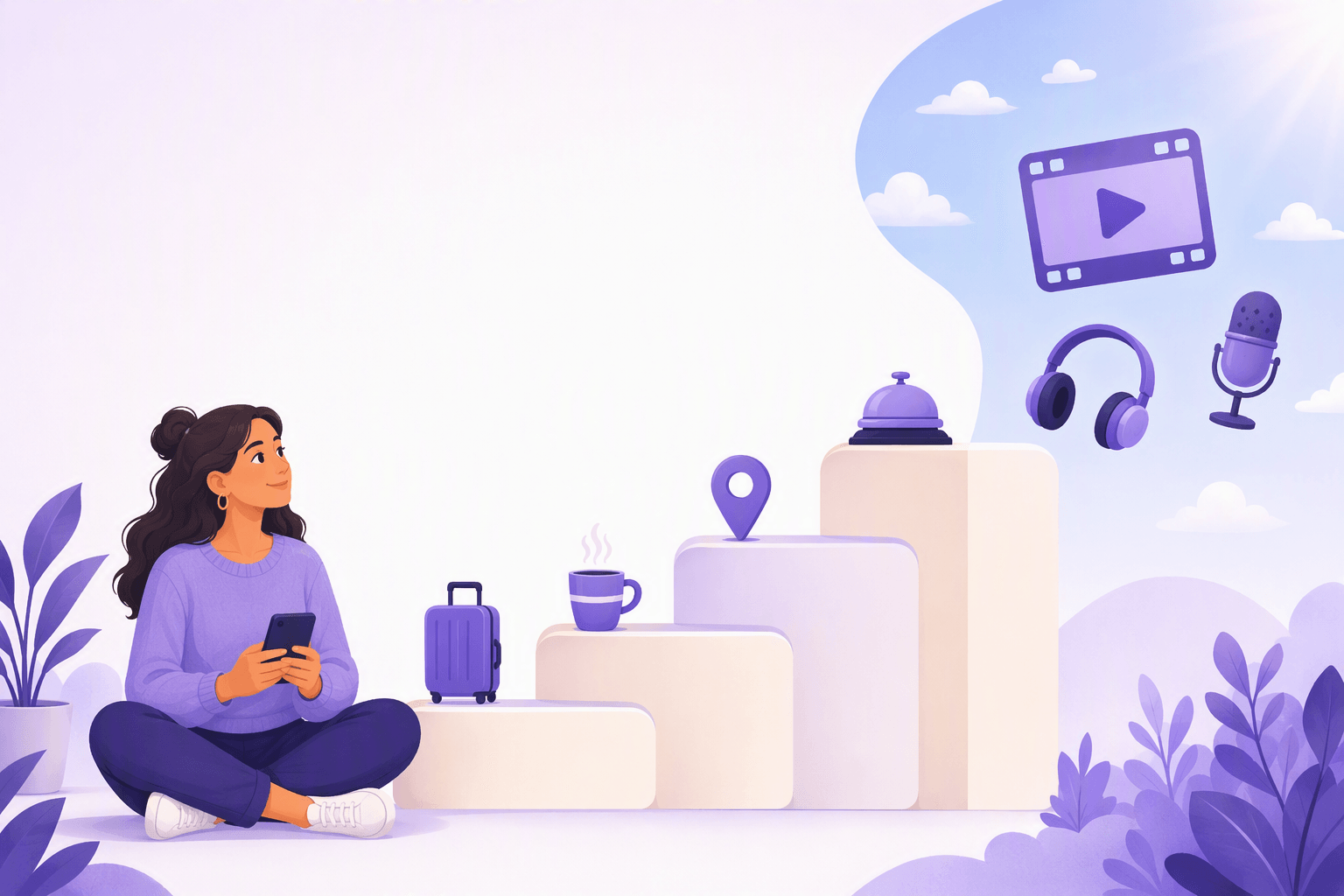
If you’re deciding between apps, it helps to separate “course learning” from “language exposure.” Babbel is primarily a course, it teaches you what to say and why it works. For the part Babbel cannot fully cover, you need real input and real interaction, like movies, podcasts, and conversation.
What Babbel is (and what it’s trying to do)
Babbel’s core product is a set of guided lessons built around everyday situations: introducing yourself, ordering food, handling travel problems, and basic work or social talk. The design goal is fast functional competence, not entertainment.
That matters because app reviews often compare everything on one scale. A course app should be judged on clarity, sequencing, and transfer to real life, not on streaks or mini-games.
Babbel’s “unit” philosophy: short, usable chunks
Babbel lessons are typically short and focused. You learn a small set of words, see them in sentences, and then recycle them.
This aligns with what Paul Nation emphasizes in his work on vocabulary learning: progress comes from repeated encounters in meaningful contexts, not from seeing a word once and moving on.
Where Babbel sits on the CEFR ladder
Babbel commonly describes its content using CEFR-style levels (A1, A2, B1, and so on). CEFR is a framework from the Council of Europe that describes what learners can do at each level, like handling routine tasks at A2 or discussing familiar topics at B1.
Use CEFR labels as a rough map, not a guarantee. Your level depends on time, consistency, and whether you also practice listening and speaking outside the app.
The honest strengths: what Babbel does very well
Babbel’s strengths show up when you use it the way it was designed: steady, structured practice with attention to form.
Clear explanations without drowning you in grammar
Babbel tends to explain grammar in small pieces, then makes you use it. That’s valuable if you’ve tried apps that avoid explanations entirely and leave you guessing.
In practical terms, this reduces the “why is this wrong?” frustration that makes many beginners quit.
Dialogues that resemble real situations
Babbel dialogues are usually closer to real-life needs than random sentence drills. You’ll practice things like booking a room, asking for directions, or making plans.
That’s not the same as real conversation, but it builds a base you can actually deploy.
Better for adults who want efficiency
Babbel’s tone is adult and task-oriented. If you want to feel like you’re building a usable toolkit, it often delivers.
If you prefer playful repetition and dopamine loops, you might find it less motivating than gamified apps.
A sane approach to review (if you use it)
Babbel includes review features, but the key is how you interact with them. If you treat review as the main event, you retain more.
If you only push forward into new lessons, you’ll recognize a lot and produce little.
💡 A simple Babbel routine that works
Do one new lesson, then immediately do a short review session. The next day, review again before adding new material. This keeps yesterday’s words active, which is the difference between 'I learned it' and 'I can say it.'
The real limitations: what Babbel won’t fix for you
Babbel’s weaknesses are not “bugs.” They are the predictable limits of a course app.
It can’t give you enough listening variety for strong comprehension
To understand real speech, you need volume and variety: different voices, speeds, accents, and messy real-life phrasing. A course can introduce listening, but it can’t replicate the range of native media.
A useful benchmark comes from research on lexical coverage. Webb and Rodgers’ work on movies shows that understanding most movie dialogue requires very high vocabulary coverage, which usually means thousands of word families plus repeated exposure in context.
If your goal is English listening, pair any course with real media. Wordy’s entire premise is this kind of input, using short movie and TV clips with interactive subtitles. If you want ideas for what to watch, start with best movies to learn English.
Speaking practice is limited without feedback
Babbel can prompt you to speak, but it cannot reliably correct the details that matter: stress, rhythm, connected speech, and natural phrasing.
David Crystal’s work on English highlights how much intelligibility depends on stress and rhythm. Apps can model it, but feedback is the hard part.
If speaking is your priority, add a tutor, language exchange, or at least regular shadowing with native audio.
It won’t teach you the “social layer” of language
Course apps are cautious. That means you learn polite, safe language, but you may miss what people actually say in casual life.
For English learners, this gap is huge. Real conversations include slang, softeners, and taboo language that you need to recognize even if you never use it. For that, see English slang and, for recognition only, English swear words.
🌍 Why course English can feel 'too clean'
Many English-speaking cultures use informal softeners like 'kind of', 'maybe', and 'I mean' to sound less direct. Course dialogues often skip these to stay clear. When you switch to movies or real conversation, the extra words can make speech feel faster than it is.
Advanced progress slows down
Babbel can take you far into the basics and some intermediate territory. But advanced ability depends on nuance: idioms, collocations, register shifts, and topic breadth.
At that stage, the best “curriculum” is the real world: reading, listening, and speaking across many topics.
Babbel vs Duolingo: the practical difference
Babbel and Duolingo often look similar from the outside, but they optimize for different things.
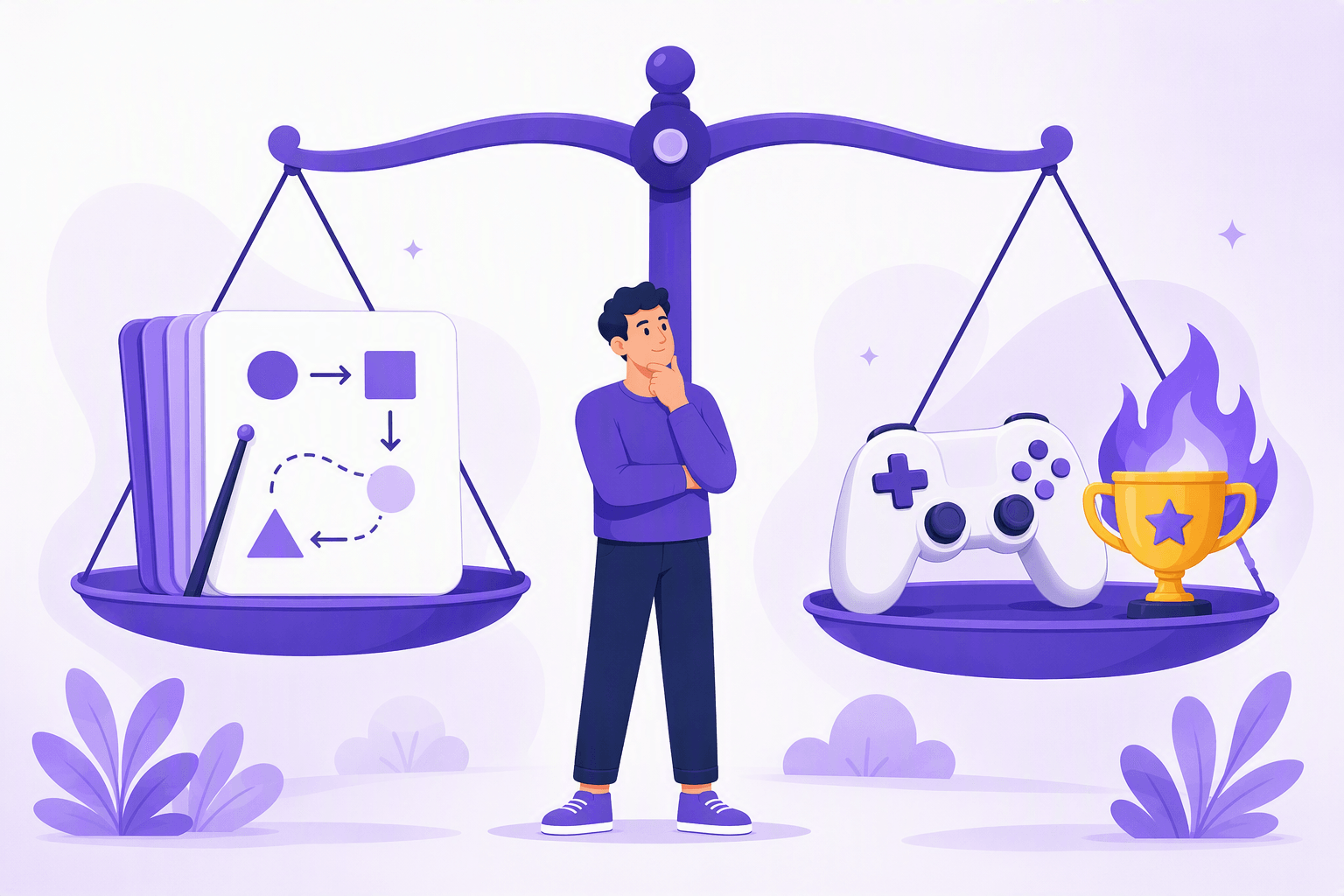
Duolingo is built to keep you practicing daily through gamification and rapid repetition. Babbel is built to teach a course sequence with explanations and practical dialogues.
Duolingo also has a clear free tier, while Babbel is more subscription-forward. If pricing matters, check each company’s current page, since it changes, Duolingo publishes pricing information (accessed 2026).
⚠️ Don't pick an app based on 'fun' alone
If you stop after two weeks, the best method doesn’t matter. Choose the app you will use five days a week for three months. Consistency beats features.
Who Babbel is best for (and who should skip it)
This is the section most people actually need. An app can be “good” and still be wrong for you.
Best for: beginners who want structure
If you like clear steps, short lessons, and explanations, Babbel is a strong fit. It’s especially good if you’ve tried gamified apps and felt you were collecting points more than skills.
It also works well if you have a near-term goal like travel or a move, because the content is situation-based.
Best for: learners who want to build sentences, not just words
Babbel pushes you into sentence patterns early. That helps you speak sooner, even if you’re still slow.
If you want extra vocabulary support alongside sentence practice, a frequency-based list can help. For English, English numbers is a surprisingly high-impact place to get fluent fast, because numbers show up everywhere.
Not ideal for: learners aiming for accent-level pronunciation
If your goal is to sound near-native, you need targeted pronunciation work and feedback. Apps can support that, but they rarely drive it.
Not ideal for: advanced learners who need breadth
At higher levels, you need topic range: news, humor, arguments, storytelling, and workplace nuance. Babbel can be a piece of that, but it won’t be the main engine.
How to get better results with Babbel (a realistic plan)
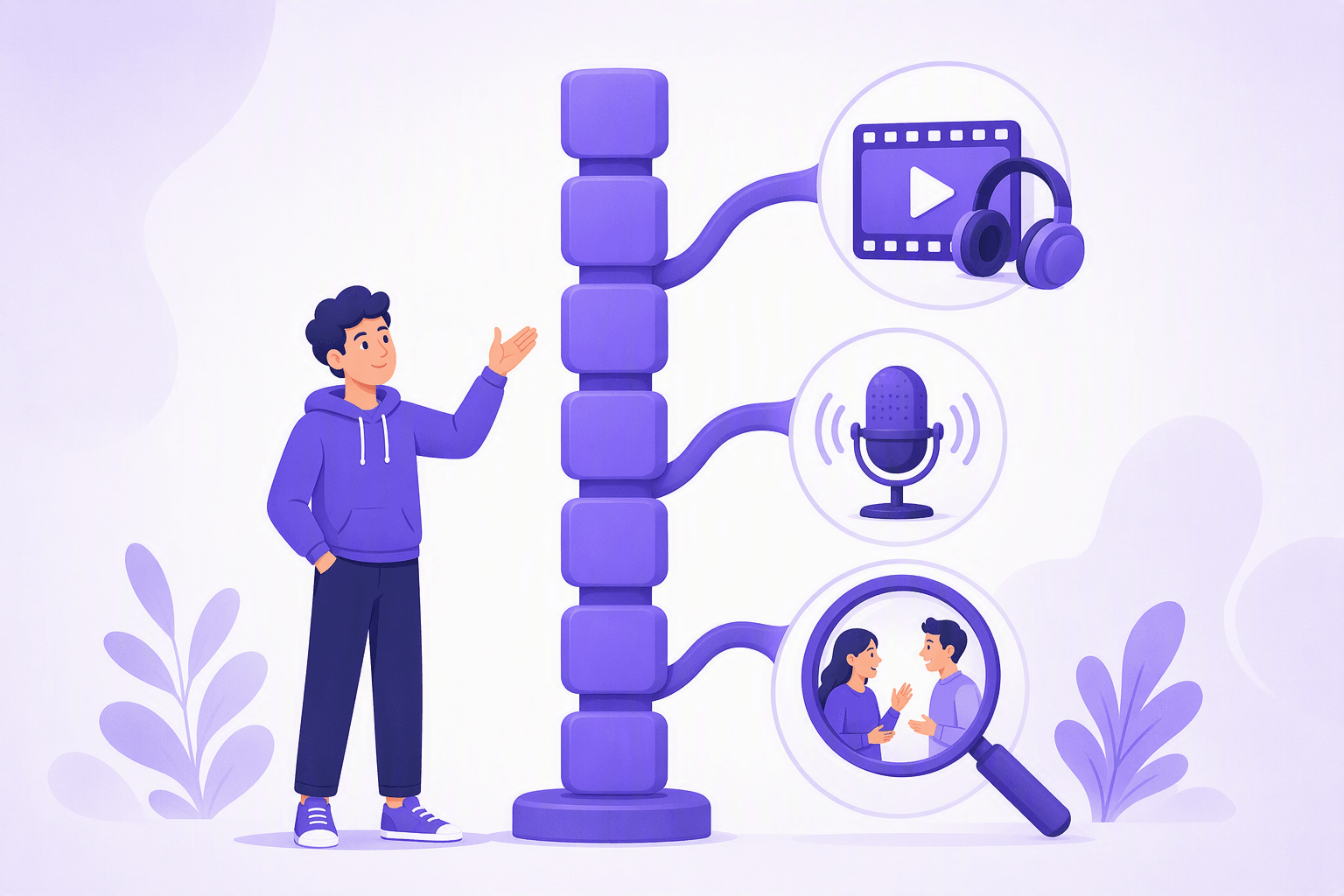
Babbel works best as the “spine” of your study, with other inputs filling the gaps.
Step 1: Treat Babbel as your course
Do lessons in order. Don’t skip around based on what looks fun.
If you do not understand a grammar point, pause and write two or three of your own sentences. Production is where learning becomes usable.
Step 2: Add real listening early (even as a beginner)
Beginners often wait too long to listen to native content. Start early, but choose content you can control: short clips, subtitles, and repeatable scenes.
A practical target is 10 to 20 minutes of focused listening a day. That can be a single scene repeated, not an hour of passive background noise.
Step 3: Add speaking in low-pressure ways
You don’t need a tutor on day one, but you do need to speak.
Try these options:
- Shadow one short dialogue daily, copying rhythm and stress.
- Record yourself reading a dialogue, then compare to native audio.
- Do one weekly conversation session, even if it’s basic.
Step 4: Use “noticing” to bridge the gap to real English
Claire Kramsch, in her work on language and culture, emphasizes that language learning is also learning how meaning is shaped by context. This is where apps are limited, because context is controlled.
When you watch a clip, notice what changes:
- How people soften requests
- How they disagree politely
- How they show excitement or sarcasm
Write down one pattern and reuse it.
Babbel for English learners: what to watch out for
Babbel is often used for major world languages, but many readers land here because they’re choosing tools for English.
English is spoken in a very large number of countries and has huge accent diversity. Ethnologue (27th edition, 2024) counts English among the world’s largest languages by total speakers, and it functions as a global lingua franca in business, education, and online life.
That global spread creates a practical issue: “English” is not one sound. You will hear different vowels, different rhythm, and different slang across regions.
Stress and rhythm matter more than perfect sounds
Many English learners focus on individual sounds (R, TH, and so on). But listeners often understand you based on stress timing and clear vowel length.
If you want a targeted guide, pair this review with English pronunciation tips and then practice with real audio.
Slang recognition is a safety skill
You do not need to speak slang to be fluent. But you do need to recognize it, because it shows up in movies, workplaces, and group chats.
Start with neutral modern usage in English slang. Treat taboo language as recognition-only, and use English swear words as a decoding guide, not a checklist.
A fair verdict: should you choose Babbel?
Choose Babbel if you want a structured course that builds practical language fast, and you’re willing to add listening and speaking outside the app.
Skip Babbel if you want an all-in-one solution for advanced fluency, or if you know you only stay consistent with heavy gamification.
If you’re building an English plan, a strong combo is: Babbel for structure, real media for listening, and a speaking outlet for feedback. For media-based listening practice, Wordy is designed around short, repeatable movie and TV clips, which complements course learning well.
To keep exploring options, compare approaches in 10 best language learning apps in 2026, then pick the one you will actually use.
Frequently Asked Questions
Is Babbel worth it in 2026?
Can Babbel make you fluent?
Is Babbel better than Duolingo?
Does Babbel help with pronunciation?
What level does Babbel get you to?
Sources & References
- Babbel Magazine, 'How Effective Is Babbel?', accessed 2026
- Duolingo, Pricing and Subscription Information, accessed 2026
- Ethnologue, 27th edition, 2024
- Council of Europe, Common European Framework of Reference for Languages (CEFR)
- Webb, S. & Rodgers, M.P.H., 'The Lexical Coverage of Movies', Applied Linguistics
Start learning with Wordy
Watch real movie clips and build your vocabulary as you go. Free to download.


