Quick Answer
In modern English slang, 'lowkey' means 'quietly,' 'a little,' or 'secretly but honestly,' depending on context. People use it to soften an opinion ('I lowkey love it'), admit something without making it a big deal, or suggest something should stay subtle ('keep it lowkey').
In modern English slang, "lowkey" means you feel or think something quietly, mildly, or without making a big deal about it, as in "I lowkey love it" or "I'm lowkey tired." It can also mean keeping an event or plan subtle, as in "Let's keep it lowkey."
| English | English | Pronunciation | Formality |
|---|---|---|---|
| I kind of like it. | I lowkey like it. | LOH-kee | slang |
| I secretly miss you. | I lowkey miss you. | LOH-kee | slang |
| Let's keep it simple and quiet. | Let's keep it lowkey. | LOH-kee | slang |
| I really mean it. | I highkey mean it. | HY-kee | slang |
The core meanings of "lowkey" (and how to hear the difference)
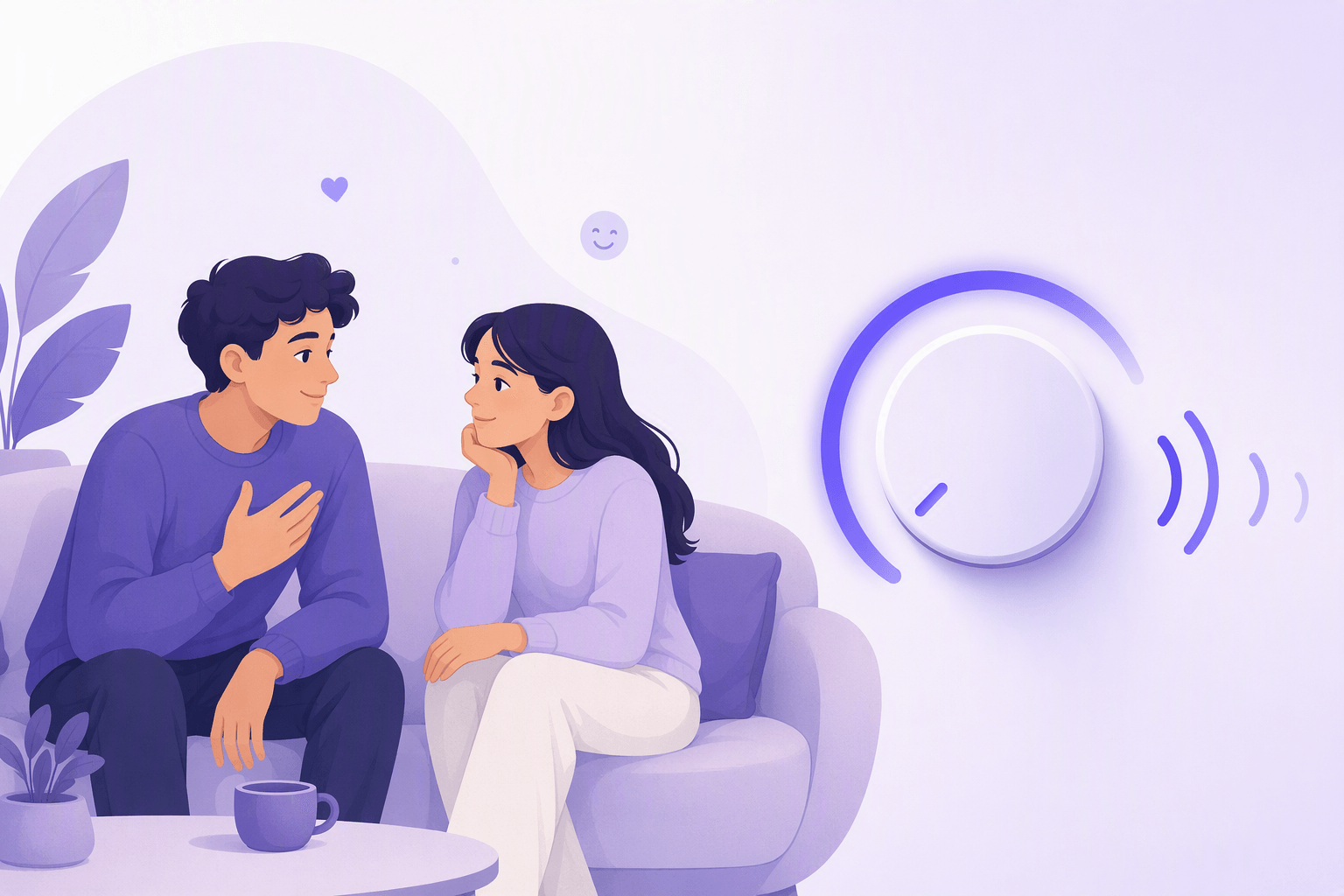
"Lowkey" (pronounced "LOH-kee") has a few common slang meanings, but they share one idea: lowering the volume of what you are saying, emotionally or socially.
You will hear it constantly in casual American English online, and it is widely understood across other English varieties through social media and streaming.
English is also a global language: Ethnologue estimates about 1.5 billion total English speakers worldwide (first-language plus additional-language speakers), spread across well over 100 countries and territories where English is used institutionally or widely learned. That global reach is why slang like "lowkey" can travel fast, even if it started in specific youth communities.
"Lowkey" = "kind of" (softening intensity)
This is the most common everyday use. "Lowkey" works like an adverb that reduces how strong your statement sounds.
Compare:
- "I love this song." (strong)
- "I lowkey love this song." (softer, more casual, less dramatic)
It often signals: "I'm admitting this, but I'm not trying to make it a whole thing."
"Lowkey" = "secretly" (a quiet confession)
Sometimes "lowkey" means you feel something privately, or you do not want to fully announce it.
- "I lowkey miss my old job." (I miss it, but I'm not saying it loudly)
- "She's lowkey jealous." (not openly jealous, but you can tell)
This meaning is common in gossip-y or self-aware statements.
"Keep it lowkey" = "keep it subtle, small, not flashy"
This use is closer to the older dictionary sense of "low-key" meaning restrained or not showy.
- "Let's keep it lowkey tonight." (no big party, no big plans)
- "It was a lowkey wedding." (small, simple, not extravagant)
If you have seen this in movie dialogue, it often signals a vibe: relaxed, minimal attention, fewer people.
💡 Pronunciation you will actually hear
"Lowkey" is usually "LOH-kee" in fast speech. The "w" sound in "low" is often barely there, and the stress stays on "low." You will also see it written as "low-key" or "low key," especially when people mean the older, non-slang adjective.
"Lowkey" vs "low-key": slang vs dictionary adjective
A lot of confusion comes from spelling. The slang form is often written as one word, "lowkey," especially in texting.
The older form "low-key" is a standard adjective meaning restrained, not showy, or moderate. Major dictionaries record this sense, including the Oxford English Dictionary, Merriam-Webster, and Cambridge Dictionary.
Here is a practical way to separate them:
| Form | Typical grammar | Typical meaning | Example |
|---|---|---|---|
| lowkey | adverb (slang) | kind of, secretly, quietly | "I lowkey want pizza." |
| low-key | adjective (standard) | restrained, not flashy | "It was a low-key celebration." |
| keep it lowkey | phrase (slang) | keep it subtle, chill | "Let's keep it lowkey." |
In real life, people mix spellings. Your best clue is grammar: if it sits before a verb or feeling, it is usually slang.
What "lowkey" communicates socially (tone, identity, and politeness)
"Lowkey" is not just vocabulary, it is a tone tool. It lets you share an opinion while protecting yourself socially.
That matters because casual English conversation is full of "facework," the small strategies people use to avoid sounding too intense, too certain, or too vulnerable.
"Speakers constantly design their talk with an ear to social consequences, especially when expressing stance, evaluation, and identity."
Sali A. Tagliamonte, sociolinguist, in Teen Talk: The Language of Adolescents (Cambridge University Press, 2016)
In practice, "lowkey" helps you do at least three things:
- Soften a hot take: "That movie was lowkey boring."
- Admit something risky: "I lowkey still like them."
- Signal you are chill: "Lowkey, I'm fine with whatever."
This is why it shows up so often in dialogue-heavy shows: it is a fast way to show character attitude without a long explanation.
🌍 Why 'lowkey' feels so 'online'
A lot of internet slang is really about managing tone in text. Without facial expression or voice, "lowkey" tells the reader: "I'm saying this, but don't quote me like it's a formal announcement." It is a written shortcut for a softer delivery.
Where you will hear "lowkey" in movies and TV (and why it sticks)
Screenwriters love compact stance markers, words that instantly show how a character feels about what they are saying.
"Lowkey" does that job in one beat: it signals hesitation, understatement, or a casual confession.
If you are learning English through clips, this is a perfect "repeatable" word. You can practice it across dozens of scenes because the structure stays stable: "I lowkey + verb/adjective."
If you want more everyday expressions that show up constantly in dialogue, pair this with our English slang guide. It gives you a bigger set of modern tone markers that work the same way.
How to use "lowkey" naturally (position, rhythm, and patterns)
Most learners get the meaning quickly, but placement is what makes it sound native.
Here are the most common patterns you should copy.
Pattern 1: "I lowkey + verb"
This is the classic confession format.
Examples:
- "I lowkey want to go home."
- "I lowkey forgot."
- "I lowkey hate this."
In fast speech, "lowkey" often gets reduced, almost like "loh-kee" with very little pause.
Pattern 2: "I'm lowkey + adjective"
This is the "mild state" format. It often means "a little" more than "secretly."
Examples:
- "I'm lowkey tired."
- "I'm lowkey stressed."
- "I'm lowkey excited."
If you are looking for more vocabulary for feelings, our emotions in English list pairs well with this pattern.
Pattern 3: "Lowkey, + sentence"
Putting it at the front makes it a stance marker, like "honestly" or "not gonna lie."
Examples:
- "Lowkey, that was rude."
- "Lowkey, I think you're right."
This version is common in spoken storytelling and reaction videos.
Pattern 4: "Keep it lowkey"
This is a set phrase. It means "keep it subtle, keep it chill, keep it quiet."
Examples:
- "Let's keep it lowkey this weekend."
- "Can we keep it lowkey? I don't want drama."
⚠️ A common learner mistake
Do not use "lowkey" as a noun, like "This is a lowkey." Native speakers do not do that. Use it as an adverb ("I lowkey agree") or as part of the adjective "low-key" ("a low-key party").
"Lowkey" vs similar words: what to choose instead (and when)
Sometimes "lowkey" is exactly right. Other times, a clearer word fits better, especially outside slang.
Use this table as a quick decision tool:
| What you mean | Best casual option | Clearer alternative (less slang) | Example |
|---|---|---|---|
| "a little" | lowkey | somewhat, a bit | "I'm somewhat tired." |
| "quietly, without attention" | lowkey | discreetly, quietly | "Let's do it quietly." |
| "secretly, but true" | lowkey | privately, secretly | "I secretly miss them." |
| "not flashy" | low-key | simple, understated | "It was an understated event." |
In writing for school or work, "somewhat" and "a bit" are the safest replacements.
"Highkey": the playful opposite (and how people actually use it)
"Highkey" (pronounced "HY-kee") is a newer slang counterpart. It means you are saying something openly and strongly, without downplaying it.
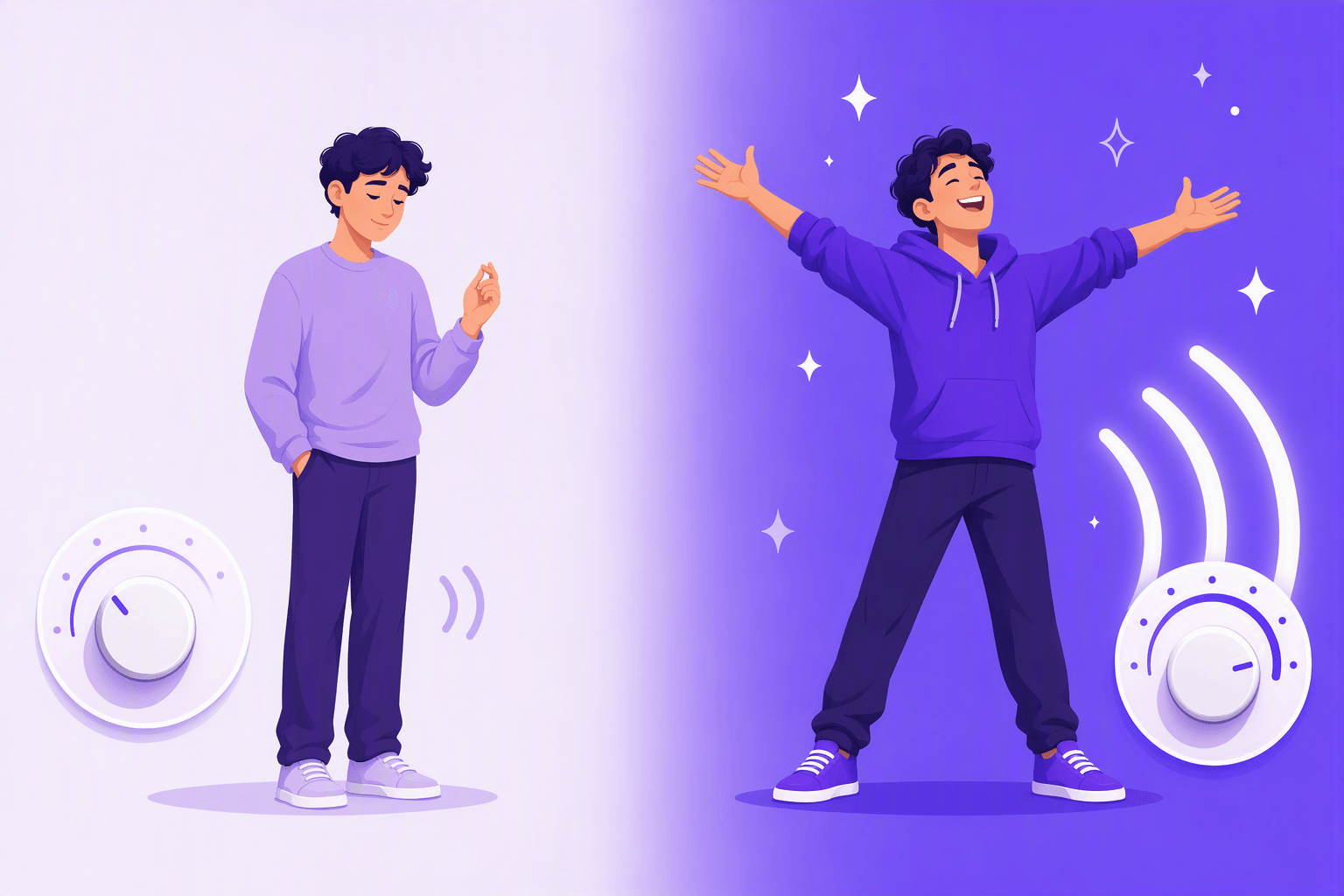
You will often see it used for emphasis, sometimes humor:
- "I highkey love this."
- "I'm highkey annoyed."
- "Highkey, that's the best episode."
It is less common than "lowkey," and it can sound performative if you overuse it. In dialogue, it often signals confidence or dramatic honesty.
Regional and generational notes (who says it, and where)
"Lowkey" is strongly associated with youth and young-adult speech, especially in online spaces.
That does not mean older speakers never use it. It means it is most natural in casual contexts: friends, group chats, comments, and informal conversation.
Because English media travels globally, you can hear it in many places where English is learned as an additional language. Ethnologue documents English as a language with institutional presence across a very large number of countries and territories, which accelerates the spread of pop-culture vocabulary.
If you want to build a more "international" English baseline, keep your slang optional. Use it when you are sure the vibe is casual.
Mini practice: turn a strong sentence into a "lowkey" sentence
Try these conversions. The goal is not grammar, it is tone.
| Strong | Softer with "lowkey" |
|---|---|
| "I hate this." | "I lowkey hate this." |
| "I'm exhausted." | "I'm lowkey exhausted." |
| "That was amazing." | "That was lowkey amazing." |
| "I want to leave." | "I lowkey want to leave." |
Notice how the second version often feels more conversational, and sometimes more ironic.
Learn slang the way it is actually spoken: short clips, real rhythm
Slang is hard to learn from definitions alone because the meaning is tied to timing, stress, and context.
That is why movie and TV clips work so well: you hear how "lowkey" sits in a sentence, how fast it is said, and what facial expression goes with it.
If you are building your English foundation alongside slang, our guides to numbers in English and months in English help you cover the everyday basics that show up in the same scenes.
To keep exploring, browse the full Wordy blog or jump into practice on the English learning page.
Frequently Asked Questions
What does 'lowkey' mean in slang?
Is 'lowkey' the same as 'secretly'?
What is the difference between 'lowkey' and 'highkey'?
Can I use 'lowkey' in formal writing or at work?
Where did 'lowkey' come from?
Sources & References
- Oxford English Dictionary, 'low-key, adj.' (entry and sense history), OED Online
- Merriam-Webster, 'low-key' (definitions and usage notes), Merriam-Webster.com Dictionary
- Cambridge Dictionary, 'low-key' (meaning and examples), Cambridge University Press
- Ethnologue (27th ed., 2024), 'English' (speaker and country distribution data)
- Tagliamonte, Sali A. (2016). Teen Talk: The Language of Adolescents. Cambridge University Press
Start learning with Wordy
Watch real movie clips and build your vocabulary as you go. Free to download.


