Quick Answer
'Lit' is modern slang meaning 'exciting, excellent, or full of energy' (a lit party, that song is lit). It can also mean 'intoxicated' in older or specific contexts. Today it's most common as upbeat praise, especially for events, music, and moments that feel high-energy.
'Lit' means "exciting, excellent, or full of energy" in modern slang, as in "That party was lit." In some contexts, especially older usage or specific communities, it can also mean "intoxicated" ("He was lit"), but the most common meaning today is upbeat praise.

The two main meanings of "lit" (and how to tell which one it is)
English slang often keeps older meanings alive while adding new ones, and "lit" is a clean example. Dictionaries track both senses: the older "intoxicated" meaning and the newer "exciting, excellent" meaning (OED; Merriam-Webster, both accessed 2026).
Meaning 1: "Exciting, excellent, high-energy"
This is the meaning you see most in texts, captions, and casual speech. It is basically a strong "That was great" with a party or music vibe.
Typical targets:
- events: party, concert, club night
- media: song, album, episode
- moments: "That goal was lit"
Meaning 2: "Intoxicated" (drunk or high)
This sense is still real, but it depends heavily on context. If the sentence is about drinking, smoking, or being out late, "lit" can mean intoxicated.
Typical cues:
- verbs like "get" or "be": "He got lit"
- mentions of alcohol or weed
- a warning or consequence: "Don't drive, you're lit"
⚠️ Avoid a common misunderstanding
If you say "I was lit last night," many listeners will hear "I was drunk/high," not "I had fun." If you mean "fun," say "Last night was lit" or "The party was lit."
Pronunciation and basic grammar (so you can say it naturally)
"Lit" is pronounced LIT (rhymes with "sit"). It is the past tense of "light" in standard English ("I lit a candle"), but slang "lit" is an adjective.
In slang, you will mostly use it in two patterns:
- That was lit.
- It was a lit + noun. (a lit party, a lit night)
In careful writing, "a lit party" can look informal or even awkward, so many speakers prefer "That party was lit."
Where did "lit" come from?
The word "lit" is old in English, but the slang sense is newer. Lexicographers track "lit" as slang for intoxicated and also as a later positive evaluation meaning "exciting" (Green's Dictionary of Slang; OED, accessed 2026).
A useful way to understand the shift is to separate three layers:
- Standard English: "lit" = past tense of "light"
- Earlier slang: "lit" = intoxicated
- Modern mainstream slang: "lit" = exciting, excellent
This kind of semantic change is common in slang: a word tied to nightlife can broaden into a general compliment. Michael Adams, in his work on slang and social meaning, treats slang as a vocabulary that signals group identity and stance, not just "new words."
"Lit" in texts, TikTok captions, and everyday talk
In texting, "lit" is often a one-word reaction:
- "Lit."
- "That is lit."
- "So lit"
It also shows up as a caption adjective:
- "Lit night"
- "Lit vibes"
Because it is short and punchy, it works well in fast platforms. That said, it is not always sincere. In 2026, you will hear "lit" used ironically, especially if something is clearly not exciting.
Sincere vs ironic "lit"
Sincere:
- "The DJ was lit, the whole crowd was jumping."
- "That scene was lit, I replayed it twice."
Ironic:
- "My printer jammed again. Lit."
- "Another meeting that could've been an email. Lit."
Tone is doing a lot of work here. If you want to avoid sounding sarcastic, add a detail that proves you mean it: "That party was lit, the band was actually amazing."
Real examples you can copy (with context)
Below are examples that match how native speakers actually place "lit" in a sentence. Keep them short, because "lit" is a quick, emotional label.
Complimenting an event
- "Your birthday party was lit."
- "Last night was lit."
Complimenting music
- "This song is lit."
- "That beat is lit."
Sports and crowds
- "The stadium was lit."
- "That comeback was lit."
The intoxicated meaning
- "He was lit, so we called a ride."
- "They got lit before the show."
🌍 Why 'lit' fits music and crowds so well
A lot of modern English slang spreads through music scenes first, then becomes general internet vocabulary. "Lit" keeps that performance energy in its meaning, which is why it sounds most natural with concerts, parties, and big reactions.
"Lit" vs similar slang: hype, fire, dope, sick
If you are learning English, these words can feel interchangeable. They overlap, but they are not identical.
Here is the practical difference:
- lit: high-energy fun, the vibe is alive
- fire: very good, especially for music, fashion, or a moment ("That track is fire")
- hype: excitement and anticipation, or the energy itself ("The crowd is hype")
- dope: very good, slightly older but still used
- sick: very good, often for skills or tricks, but context matters
If you want more modern slang that shows up in real dialogue, see our broader English slang guide.
When you should NOT use "lit"
Slang is about social fit. "Lit" is safe compared to many words, but it can still sound wrong in certain settings.
Avoid it when:
- you are writing formally (applications, essays, work emails)
- you are talking to someone who prefers formal speech
- the situation is serious (apologies, bad news)
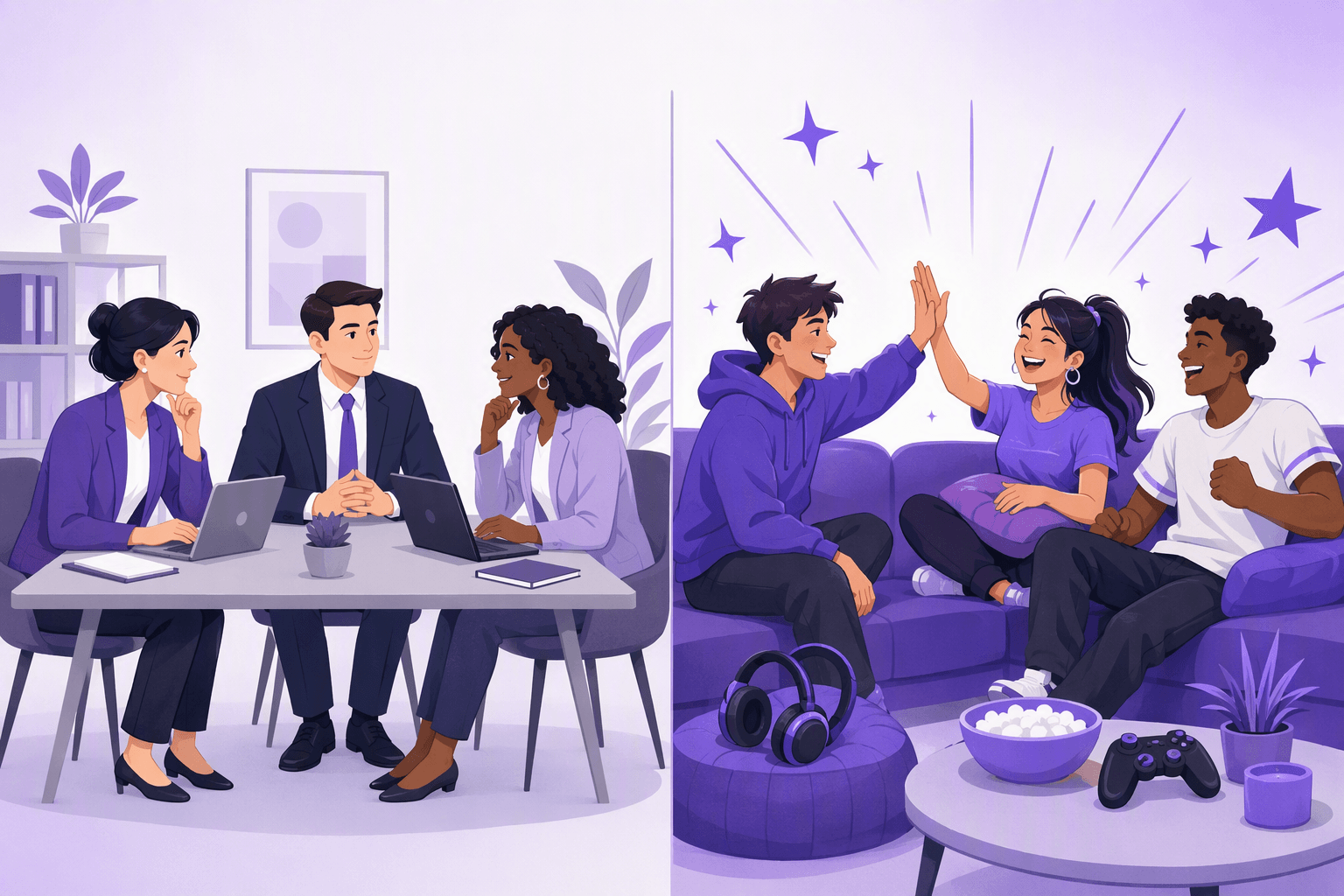
If you need a neutral version, use:
- "That was really fun."
- "That was great."
- "That was impressive."
If you are unsure what counts as "too strong" in casual English, our English swear words guide explains intensity and context, which helps you avoid accidental rudeness.
How common is English slang like "lit" globally?
English is used worldwide, so slang travels fast, but it does not land the same way everywhere. Ethnologue estimates roughly 1.5 billion English speakers globally when you include native and second-language speakers (Ethnologue, 27th edition, 2024).
That scale matters: a slang word can be "common online" and still feel unfamiliar in a local workplace or classroom. It also explains why you might hear "lit" in one country mostly through American media, while local English speakers prefer different praise words.
Why movies and TV make slang feel easier
Slang is hard to learn from word lists because it is timing, tone, and situation. Real dialogue gives you the missing pieces: facial expression, sarcasm, and what the speaker is reacting to.
If you want to train your ear on natural reactions like "That's lit," use short scenes with clear emotion. Our list of the best movies to learn English is built for that kind of listening practice.
Common learner mistakes with "lit" (and quick fixes)
Mistake 1: Using it as a verb
Incorrect: "We lit yesterday."
Correct: "We got lit yesterday" (intoxicated meaning), or "Yesterday was lit" (fun meaning).
Mistake 2: Using it for calm, quiet situations
"Lit" implies energy. A quiet museum visit or a serious lecture rarely feels "lit" unless you are joking.
Better choices:
- "interesting"
- "beautiful"
- "peaceful"
Mistake 3: Overusing it
If every good thing is "lit," you can sound repetitive. Native speakers rotate adjectives constantly.
Try mixing in:
- "awesome"
- "so good"
- "wild"
- "insane" (informal, but common)
"Lit" across generations and regions
In the US, "lit" peaked as a mainstream youth slang term in the 2010s and remains recognizable. In 2026, it often signals a slightly throwback vibe, or it is used deliberately because it is simple and widely understood.
In other English-speaking places, you will still hear it, but local slang may dominate. If you are comparing varieties, our American vs British English guide helps you spot where vocabulary differences are normal.
A quick note on identity and authenticity
Slang is not only vocabulary, it is social positioning. Sociolinguist Penelope Eckert’s work on communities of practice is a useful lens here: people adopt forms that match the groups they participate in. If your friend group never says "lit," forcing it can sound performative.
A safe approach is to mirror what you hear in your real environment, not what you saw in one viral clip.
Mini practice: choose the right meaning
Try these. Decide whether "lit" means "exciting" or "intoxicated."
- "The club was lit, everyone was dancing."
- "He was lit, so I took his keys."
- "That final episode was lit."
- "They got lit before the game."
Answers:
- exciting
- intoxicated
- exciting
- intoxicated
How to learn slang like "lit" without sounding forced
1) Learn the "collocations" (what words it naturally goes with)
Instead of memorizing "lit = fun," memorize chunks:
- "That was lit."
- "The crowd was lit."
- "a lit party"
This is the same idea that corpus linguists use when they study common word pairings in real usage.
2) Copy the rhythm, not just the word
"Lit" is often said fast and with a clear, final stop on the T. If you soften the ending too much, it can sound like "lid."
3) Keep it for reactions, not descriptions
As a learner, you will sound most natural using "lit" as a reaction:
- "That was lit."
Long descriptions like "The event was lit because..." can feel unnatural unless you are joking.
4) Use numbers and intensity words carefully
You will see "so lit" and "mad lit" online. Those are informal and can be regional.
If you want to practice intensifiers in a clean, standard way, review how numbers and emphasis show up in everyday English in our English numbers guide. It helps with patterns like "a 10 out of 10 night" or "100% worth it," which often replace slang.
A few "lit" variations you might see
- lit AF: very strong emphasis, contains profanity-adjacent shorthand, avoid in formal contexts
- stay lit: playful encouragement, often used as a sign-off
- unlit: joking opposite, not standard
💡 A safe default
If you want one sentence that almost never sounds wrong, use: "That was really fun." Save "lit" for friends, casual chats, and reactions to music or parties.
Using "lit" with real dialogue practice
The fastest way to make slang feel natural is to attach it to a scene you can replay. Watch how the speaker’s face matches the word: excitement, sarcasm, or warning.
If you are studying with clips, focus on three things:
- what happened right before the character says it
- whether the speaker is praising or criticizing
- how the listener reacts
For more clip-based learning ideas, browse the Wordy blog and pick one topic you can practice for a week.
Bottom line
"Lit" usually means "exciting, excellent, or high-energy," and it is most natural for parties, music, crowds, and big moments. It can also mean "intoxicated," especially in phrases like "get lit," so use context to avoid misunderstandings.
If you want to hear "lit" and similar reactions in real speech, practice with short scenes from movies and shows, then repeat the line out loud until the rhythm feels automatic.
Frequently Asked Questions
What does 'lit' mean in slang?
Does 'lit' mean drunk or fun?
Is 'lit' still used in 2026?
Is it OK to use 'lit' at work or in school?
What are good alternatives to 'lit'?
Sources & References
- Oxford English Dictionary, entry for 'lit' (adjective), accessed 2026
- Merriam-Webster, 'lit' definition, accessed 2026
- Cambridge Dictionary, 'lit' meaning, accessed 2026
- Green's Dictionary of Slang, 'lit' entries and senses, accessed 2026
- Ethnologue, 27th edition, 2024
Start learning with Wordy
Watch real movie clips and build your vocabulary as you go. Free to download.


