Quick Answer
Spanish clothing vocabulary is built around a few high-frequency core words (ropa, camisa, pantalón, zapatos) plus practical categories like outerwear, underwear, accessories, and fabrics. In this guide you get 120+ clothing terms with English-friendly pronunciation and regional notes, so you can shop, pack, and talk about what you are wearing naturally.
Spanish clothing vocabulary is easiest to learn by mastering a core set of everyday words (ropa, camisa, pantalón, zapatos) and then expanding by category (outerwear, underwear, accessories, fabrics, and patterns), plus a few regional synonyms you will actually see in shops.
Spanish is spoken across 20 countries where it is an official language, plus major communities elsewhere, and Instituto Cervantes reports hundreds of millions of speakers worldwide in its annual overview. Ethnologue’s 2024 entry places Spanish at roughly 559 million total speakers, which is why clothing terms you learn for travel often transfer well between regions, with a few predictable vocabulary swaps.
If you are also building your “first conversations” toolkit, pair this list with how to say hello in Spanish and how to say goodbye in Spanish. Clothes come up fast when you are shopping, packing, doing laundry, or giving compliments.
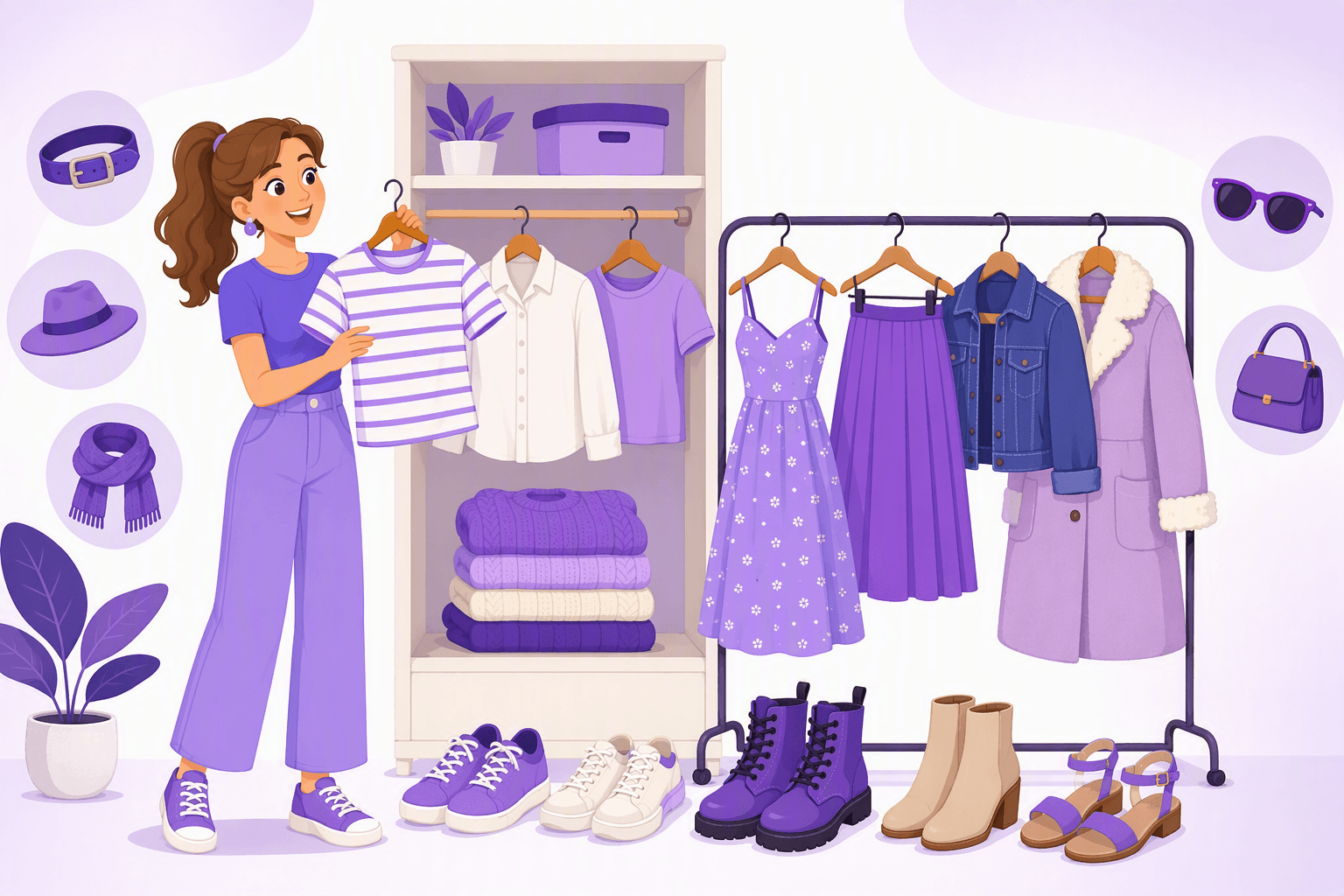
Quick reference: Spanish clothes and accessories
| English | Spanish | Pronunciation | Formality |
|---|---|---|---|
| Clothes | la ropa | lah ROH-pah | casual |
| Shirt | la camisa | lah kah-MEE-sah | casual |
| T-shirt | la camiseta | lah kah-mee-SEH-tah | casual |
| Pants | los pantalones | lohs pahn-tah-LOH-nehs | casual |
| Jeans | los jeans | lohs JEENS | casual |
| Dress | el vestido | ehl behs-TEE-doh | casual |
| Skirt | la falda | lah FAHL-dah | casual |
| Shoes | los zapatos | lohs sah-PAH-tohs | casual |
| Sneakers | las zapatillas | lahs sah-pah-TEE-yahs | casual |
| Jacket | la chaqueta | lah chah-KEH-tah | casual |
| Coat | el abrigo | ehl ah-BREE-goh | casual |
| Hat | el sombrero | ehl sohm-BREH-roh | casual |
💡 How to learn clothing vocabulary faster
Learn by outfits, not by isolated words. Watch a scene where someone gets ready, pauses, and label what you see: camisa, pantalón, cinturón, zapatos. This is one reason movie and TV clips work well for vocabulary, because clothes are visible and repeated across contexts.
Clothing words in Spanish (120+), organized by category
| English | Spanish | Pronunciation | Note |
|---|---|---|---|
| clothes | la ropa | lah ROH-pah | General word for clothing. |
| outfit | el conjunto | ehl kohn-HOON-toh | Also 'look' in fashion contexts. |
| attire (formal) | el atuendo | ehl ah-TWEN-doh | More formal than 'ropa'. |
| to dress (oneself) | vestirse | behs-TEER-seh | Verb: Me visto, te vistes. |
| to undress | desvestirse | dehs-behs-TEER-seh | Opposite of vestirse. |
| to wear (clothes) | llevar | yeh-BAHR | Common: Llevo una camisa azul. |
| to put on (clothes) | ponerse | poh-NEHR-seh | Common: Ponte el abrigo. |
| to take off (clothes) | quitarse | kee-TAHR-seh | Common: Quítate los zapatos. |
| shirt | la camisa | lah kah-MEE-sah | Button-up shirt. |
| T-shirt | la camiseta | lah kah-mee-SEH-tah | Very common across regions. |
| T-shirt (Mexico) | la playera | lah plah-YEH-rah | Common in Mexico and parts of Central America. |
| blouse | la blusa | lah BLOO-sah | Often for women's tops. |
| tank top | la camiseta sin mangas | lah kah-mee-SEH-tah seen MAHN-gahs | Literal: 'shirt without sleeves'. |
| sweater | el suéter | ehl SWEH-tehr | Also 'el jersey' in Spain. |
| hoodie | la sudadera | lah soo-dah-DEH-rah | Often implies sweatshirt, sometimes with hood. |
| hood | la capucha | lah kah-POO-chah | Hood on a jacket/hoodie. |
| cardigan | el cárdigan | ehl KAR-dee-gahn | Loanword, used in fashion contexts. |
| polo shirt | el polo | ehl POH-loh | Also 'la camiseta tipo polo'. |
| pants | los pantalones | lohs pahn-tah-LOH-nehs | General term. |
| jeans | los jeans | lohs JEENS | Very common in many countries. |
| jeans (Spain) | los vaqueros | lohs bah-KEH-rohs | Common in Spain. |
| denim (Mexico) | la mezclilla | lah mehs-KLEE-yah | Often used in 'pantalones de mezclilla'. |
| shorts | los shorts | lohs SHORTS | Loanword, widely used. |
| shorts (Spain) | el pantalón corto | ehl pahn-tah-LOHN KOR-toh | Literal: 'short pants'. |
| leggings | las mallas | lahs MAH-yahs | Also 'los leggings' in some contexts. |
| skirt | la falda | lah FAHL-dah | |
| dress | el vestido | ehl behs-TEE-doh | |
| suit | el traje | ehl TRAH-heh | Also 'traje de baño' means swimsuit. |
| tie | la corbata | lah kor-BAH-tah | |
| bow tie | la pajarita | lah pah-hah-REE-tah | Common in Spain. |
| coat | el abrigo | ehl ah-BREE-goh | Warm coat. |
| jacket | la chaqueta | lah chah-KEH-tah | Broadly understood. |
| jacket (Mexico) | la chamarra | lah chah-MAH-rrah | Very common in Mexico. |
| blazer | la americana | lah ah-meh-ree-KAH-nah | Common in Spain for a blazer. |
| raincoat | el impermeable | ehl eem-pehr-meh-AH-bleh | Also used as adjective: chaqueta impermeable. |
| scarf | la bufanda | lah boo-FAHN-dah | |
| gloves | los guantes | lohs GWAHN-tehs | |
| beanie | el gorro | ehl GOH-rroh | Also a general knit cap. |
| cap (baseball cap) | la gorra | lah GOH-rrah | Gorro vs gorra differs by region, but this is a common split. |
| shoes | los zapatos | lohs sah-PAH-tohs | General term for shoes. |
| sneakers | las zapatillas | lahs sah-pah-TEE-yahs | Common in Spain and many regions. |
| sneakers (Mexico) | los tenis | lohs TEH-nees | Very common in Mexico. |
| boots | las botas | lahs BOH-tahs | |
| ankle boots | los botines | lohs boh-TEE-nehs | |
| sandals | las sandalias | lahs sahn-DAH-lyahs | |
| heels | los tacones | lohs tah-KOH-nehs | |
| flats | las bailarinas | lahs bye-lah-REE-nahs | Common term for ballet flats. |
| slippers | las pantuflas | lahs pahn-TOO-flahs | Also 'zapatillas de casa' in Spain. |
| socks | los calcetines | lohs kahl-seh-TEE-nehs | Common in Spain. |
| socks (Latin America) | las medias | lahs MEH-dyahs | Also used for stockings depending on region. |
| underwear | la ropa interior | lah ROH-pah een-teh-RYOR | Neutral umbrella term. |
| bra | el sujetador | ehl soo-heh-tah-DOR | Common in Spain. |
| bra (Latin America) | el sostén | ehl sohs-TEHN | Common in many Latin American countries. |
| underpants | los calzoncillos | lohs kahl-sohn-SEE-yohs | Men's underwear. |
| panties | las bragas | lahs BRAH-gahs | Common in Spain. |
| panties (Latin America) | la ropa interior | lah ROH-pah een-teh-RYOR | Often preferred to avoid regional awkwardness. |
| pajamas | el pijama | ehl pee-HAH-mah | Plural also used: los pijamas. |
| bathrobe | la bata | lah BAH-tah | |
| swimsuit (one-piece) | el traje de baño | ehl TRAH-heh deh BAH-nyoh | Very common. |
| swimsuit (Spain) | el bañador | ehl bah-nyah-DOR | Common in Spain. |
| bikini | el bikini | ehl bee-KEE-nee | |
| swim trunks | el bañador | ehl bah-nyah-DOR | Can refer to men's swimwear in Spain. |
| belt | el cinturón | ehl seen-too-ROHN | |
| bag | el bolso | ehl BOHL-soh | Often handbag in Spain. |
| bag (Latin America) | la bolsa | lah BOHL-sah | Also shopping bag. |
| backpack | la mochila | lah moh-CHEE-lah | |
| wallet | la cartera | lah kar-TEH-rah | Also 'billfold' depending on region. |
| purse | el monedero | ehl moh-neh-DEH-roh | Coin purse. |
| watch | el reloj | ehl reh-LOH | |
| sunglasses | las gafas de sol | lahs GAH-fahs deh SOHL | Spain; also 'lentes de sol'. |
| glasses (general) | las gafas | lahs GAH-fahs | Spain. |
| glasses (Latin America) | los lentes | lohs LEHN-tehs | Common in Latin America. |
| earrings | los pendientes | lohs pehn-DYEHN-tehs | Spain; also 'aretes' in some regions. |
| necklace | el collar | ehl koh-YAHR | |
| bracelet | la pulsera | lah pool-SEH-rah | |
| ring | el anillo | ehl ah-NEE-yoh | |
| hat (general) | el sombrero | ehl sohm-BREH-roh | Often a brimmed hat. |
| fabric | la tela | lah TEH-lah | |
| cotton | el algodón | ehl ahl-goh-DOHN | |
| wool | la lana | lah LAH-nah | |
| leather | el cuero | ehl KWEH-roh | |
| silk | la seda | lah SEH-dah | |
| linen | el lino | ehl LEE-noh | |
| denim | el denim | ehl DEH-neem | Loanword, used in fashion. |
| striped | a rayas | ah RAH-yahs | Pattern: camisa a rayas. |
| polka-dotted | de lunares | deh loo-NAH-rehs | Iconic in flamenco fashion. |
| plaid | de cuadros | deh KWAH-drohs | Also used for checkered. |
| plain (no pattern) | liso | LEE-soh | Adjective agrees: lisa, lisos, lisas. |
| size | la talla | lah TAH-yah | Clothing size. |
| shoe size (number) | el número | ehl NOO-meh-roh | For shoes: ¿Qué número usas? |
| fitting room | el probador | ehl proh-bah-DOR | In stores. |
| to try on | probarse | proh-BAHR-seh | Me lo pruebo. |
| it fits me | me queda | meh KEH-dah | Me queda bien/mal. |
| tight | ajustado | ah-hoos-TAH-doh | Also 'apretado' in some contexts. |
| loose | holgado | ohl-GAH-doh | |
| comfortable | cómodo | KOH-moh-doh | |
| cheap | barato | bah-RAH-toh | |
| expensive | caro | KAH-roh |
Regional Spanish: the clothing words that change most
Spanish clothing vocabulary is a perfect example of what sociolinguists call “pluricentric” norms: there is no single global Spanish, and everyday words vary by region. The RAE documents standard meanings, while ASALE’s Diccionario de americanismos is especially useful for Latin American usage and regional senses.

Camiseta
Pronunciation: kah-mee-SEH-tah
Camiseta is the safest, most widely understood “T-shirt” word across the Spanish-speaking world. You will hear it in Spain, Colombia, Peru, and many other places.
In Mexico, playera (plah-YEH-rah) is extremely common, and you will see it on signs in clothing markets and mall stores. If you use camiseta in Mexico, you will still be understood.
Chaqueta
Pronunciation: chah-KEH-tah
Chaqueta is broadly “jacket,” but it can also be a flashpoint for regional slang meanings in some countries. This is a good moment to follow a simple learner rule: if a word feels like it might have a double meaning, switch to a clearer alternative like abrigo (coat) or specify the type, for example chaqueta de cuero.
If you are curious about how everyday words can drift into slang, keep it separate from your shopping vocabulary and learn it intentionally, like in our Spanish swear words guide.
Tenis
Pronunciation: TEH-nees
In Mexico, tenis is a standard word for sneakers. In Spain, you are more likely to hear zapatillas for sneakers, and tenis may be interpreted as the sport.
When you are in a store, you can avoid ambiguity by adding context: zapatillas deportivas (sports sneakers).
How Spanish clothing words behave in real sentences
Clothing vocabulary is not just nouns. The verbs and pronouns around them are what make you sound natural.
Use llevar for “to be wearing”
Llevar (yeh-BAHR) is one of the most common ways to say what someone is wearing.
- Llevo una camiseta negra.
- Ella lleva botas.
This is a pattern you will hear constantly in movies and series, especially in scenes where characters comment on appearance.
Use ponerse and quitarse for actions
Ponerse (poh-NEHR-seh) is “to put on,” and quitarse (kee-TAHR-seh) is “to take off.”
- Ponte el abrigo.
- Quítate los zapatos.
These are high-value commands for travel, especially in airports, security lines, and homes where shoes come off.
Me queda: “it fits me” is the shopping superpower
Instead of translating “It fits” word-for-word, Spanish often uses quedar.
- Me queda bien. (It fits me well.)
- Me queda grande. (It’s too big on me.)
- Me queda pequeño. (It’s too small on me.)
This is the kind of phrase that becomes automatic when you learn from scenes, not lists. If you want a method that uses real dialogue, see how to learn a language with movies.
Cultural notes: what you will actually see in Spanish-speaking stores
🌍 Why you see 'rebajas' everywhere in Spain
In Spain, seasonal sales are commonly called rebajas (reh-BAH-hahs). You will see signs like 'Rebajas' in winter and summer, and store staff will use it as a normal noun: 'Estamos en rebajas.' Learning this one word makes shopping feel instantly less confusing.
🌍 Lunares, a pattern with cultural weight
De lunares (deh loo-NAH-rehs), 'polka-dotted,' is not just a neutral pattern word in Spain. It is strongly associated with flamenco fashion and feria outfits in Andalusia. If you compliment a dress 'de lunares,' it can carry a specific, positive cultural vibe beyond 'cute pattern.'
Common mistakes English speakers make with Spanish clothing vocabulary
Mixing up ropa and trapo
Ropa is clothes. Trapo is a rag or cloth used for cleaning in many contexts.
They are close enough in sound that learners sometimes swap them under pressure. If you say Necesito comprar trapos you might get a strange look.
Overusing “es” instead of “lleva”
English often says “He is wearing…” but Spanish commonly prefers llevar. You can say Está usando in some regions, but lleva is the most widely natural option.
David Crystal’s work on how learners internalize patterns in real usage is a good reminder here: you want the most frequent construction, not the most literal translation. For Spanish specifically, reference grammars like Butt and Benjamin emphasize that high-frequency verbs and collocations matter more than rare synonyms when you are building fluency.
Forgetting gender and number agreement
Spanish clothing nouns have gender, and adjectives must match:
- una camisa blanca (not blanco)
- unos pantalones negros (plural)
If you want a fast refresher on how Spanish forms behave across regions, the overview in Spanish language overview helps you connect vocabulary with structure.
Practice: mini outfit descriptions you can copy
Use these as templates, then swap in words from the table.
- Hoy llevo una camiseta lisa y unos jeans.
- Necesito un abrigo impermeable y unas botas.
- ¿Me puedo probar esta chaqueta?
- ¿Tienen esta falda en talla M?
- Me queda bien, pero los zapatos me quedan grandes.
If you want to add warmth or flirtation to a compliment, you can combine clothing vocabulary with a simple line from how to say I love you in Spanish, but keep it context-appropriate.
Learn clothing vocabulary faster with movie and TV clips
Clothing words are unusually “visual,” which makes them ideal for clip-based learning. You hear the word, you see the item, and you often see the action too, like ponerse or quitarse.
A practical routine is: watch a short clip, pause, list five items you saw, then rewatch and listen for the exact words. This aligns with what Paul Nation’s work on vocabulary learning highlights: repeated encounters in meaningful context are what turn a word from recognition into usable speech.
If you are browsing for your next show, start at the blog index and pick a language-learning watchlist article that matches your level.
💡 One simple packing drill
Before a trip, write your packing list in Spanish: camiseta, pantalones, calcetines, abrigo, zapatillas. Then say it out loud while you pack. It is low effort, but it forces retrieval, which is what makes vocabulary stick.
Final takeaway
If you learn the core clothing nouns, add the shopping verbs (probarse, quedar), and memorize a few regional swaps (playera, tenis, vaqueros), you can handle most real shopping and travel situations in Spanish confidently.
When you are ready, practice with real dialogue in short scenes, because clothes show up constantly in everyday storytelling, from getting ready in the morning to a last-minute outfit change before a date.
Frequently Asked Questions
What is the most common word for 'clothes' in Spanish?
Is 'camiseta' the same as 'playera'?
How do you say 'jeans' in Spanish?
What is the difference between 'abrigo', 'chaqueta', and 'chamarra'?
How do I ask for my clothing size in Spanish?
Sources & References
- Real Academia Española (RAE), Diccionario de la lengua española, 23rd edition
- Asociación de Academias de la Lengua Española (ASALE), Diccionario de americanismos
- Instituto Cervantes, El español en el mundo, 2024 annual report
- Ethnologue: Languages of the World, Spanish language entry (2024)
- FundéuRAE, recommendations on Spanish usage (accessed 2026)
Start learning with Wordy
Watch real movie clips and build your vocabulary as you go. Free to download.


