Quick Answer
Rosetta Stone is best for beginners who want lots of visual, translation-free practice and are willing to repeat core patterns until they stick. It is weaker for fast vocabulary growth, real-world listening, and spontaneous speaking unless you add outside input like podcasts, shows, and live conversation. If your goal is natural comprehension, pair it with authentic media early.
Rosetta Stone is worth it in 2026 if you are a beginner who wants calm, translation-free repetition and you will consistently speak out loud, but it is a poor fit if you want fast real-world listening, modern slang, or clear grammar explanations without extra resources.
Rosetta Stone has been around long enough that many learners have a strong opinion before they even try it. The reality is simpler: it is a specific method, and it works best for a specific kind of learner.
If you are comparing apps, you may also want Wordy’s broader roundup of the best language learning apps, and if your goal is English specifically, pair any app with real input like the movies in Best Movies to Learn English.
What Rosetta Stone is (and what it is not)
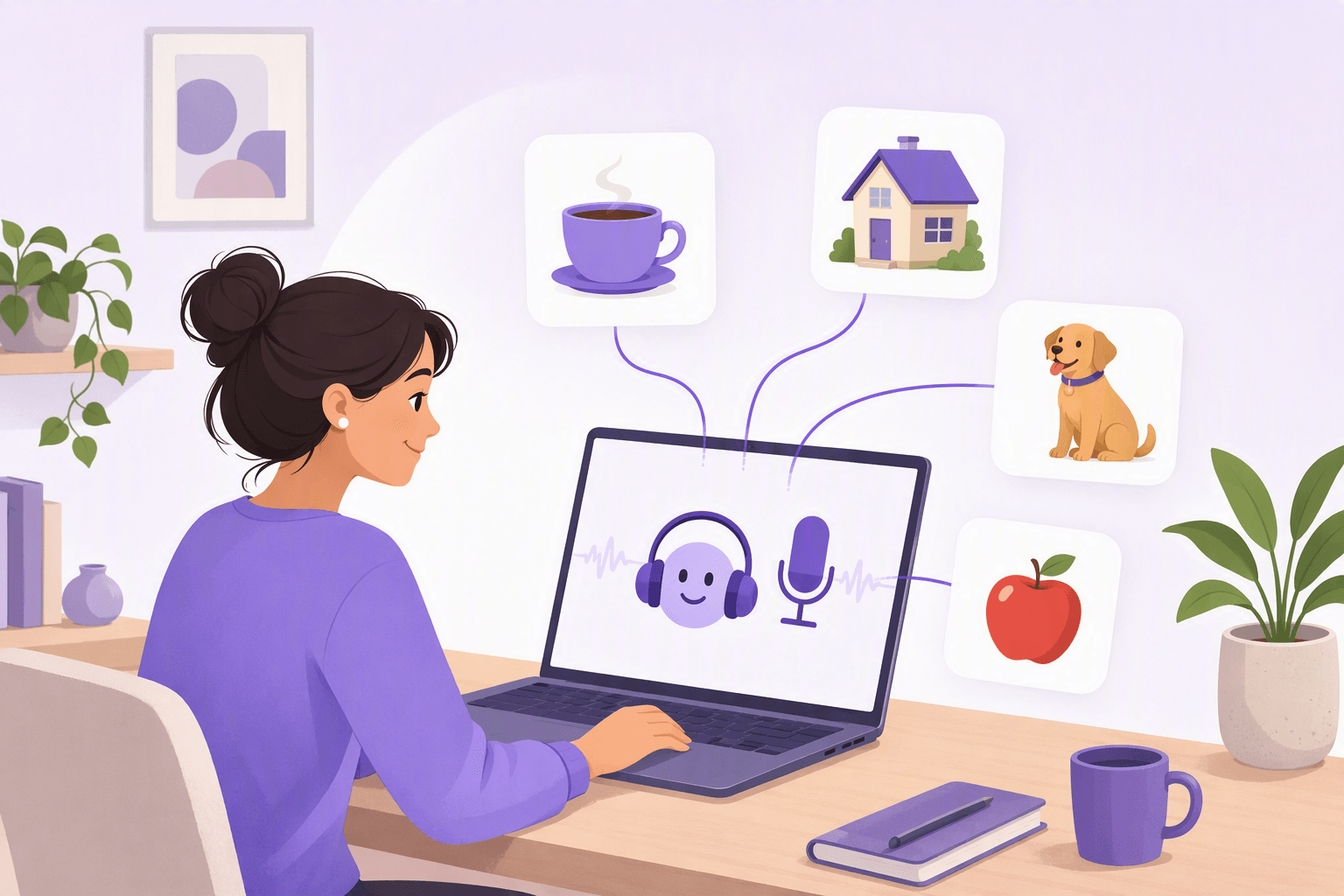
Rosetta Stone is a self-study program built around pictures, audio, and repeated sentence patterns. The core idea is to push you to connect meaning directly to the target language, without relying on translation.
It is not a conversation class. It is also not a grammar textbook, and it is not designed to teach you the newest internet vocabulary.
The method in plain English
You see images, hear a sentence, and choose or produce the matching meaning. Over time, you internalize patterns like word order, agreement, and common verbs.
This aligns with a long-running theme in second-language acquisition: learners need lots of meaningful exposure, not just rules. Stephen Krashen’s work on input is often cited in this space, and while Rosetta Stone is not the same thing as reading or watching native content, it is trying to create meaning-first exposure inside an app.
Where it sits in a modern learning plan
Think of Rosetta Stone as a pattern trainer. It can help you stop translating word-by-word.
But it does not give you the variety of accents, speaking speeds, and messy real-life phrasing you need for strong listening. For that, you need authentic input, which is why many learners combine apps with shows, podcasts, and conversation.
Quick reality check: what “fluency” requires
A lot of disappointment comes from mismatched expectations. The CEFR framework (Council of Europe) separates basic survival ability (A1-A2) from independent use (B1-B2) and advanced proficiency (C1-C2).
Rosetta Stone can help you climb the early part of that ladder. It is much less reliable as your only tool past the beginner stage.
💡 A useful definition of progress
If you can understand a new speaker without subtitles and respond without planning sentences in your head, you are building real-world skill. If you can only succeed inside the app, you are building app skill. Use Rosetta Stone to build patterns, then test those patterns in real listening and real speaking.
Who Rosetta Stone is best for
Rosetta Stone is not “good” or “bad” in general. It is good for certain profiles.
You like learning without translation
Some learners get stuck translating. Rosetta Stone’s picture-based approach can reduce that habit.
If you are the kind of person who overthinks grammar rules, this can be a relief. You practice until the pattern feels normal.
You will repeat out loud, a lot
Rosetta Stone only pays off if you speak. If you silently click through, you lose much of the value.
Pronunciation feedback can be motivating, but it is not a substitute for a human listener. Treat it as a mirror, not a judge.
You want a low-friction daily routine
Rosetta Stone’s lessons are predictable. That predictability is a feature for learners who want a stable habit.
If you need novelty to stay engaged, you might find it repetitive.
Who should skip Rosetta Stone
You want explicit grammar explanations
Rosetta Stone is light on explanations by design. If you learn best when someone tells you the rule, you may prefer a course-first product.
A practical compromise is to use Rosetta Stone for drilling, and a separate reference for clarity. For English learners, even targeted guides like English Numbers 1-100 can reduce friction when the app assumes you will infer patterns.
You want modern, social English
If your goal is to understand real conversations, you will eventually need slang, idioms, and tone. Rosetta Stone is not built for that.
For that side of English, use resources focused on real usage, like English slang. If you want to understand movies and online speech, you also need to recognize taboo language, and a guide like English Swear Words can prevent unpleasant surprises.
You need strong listening comprehension fast
Rosetta Stone audio is usually clean and learner-friendly. That is helpful early, but it can become a ceiling.
Real listening requires variability: different ages, speeds, mic quality, background noise, and regional accents.
The biggest strengths (what Rosetta Stone genuinely does well)
Pattern automaticity
Rosetta Stone’s repetition can build automatic responses. You stop thinking “What is the rule?” and start thinking “That sounds right.”
This is one of the few things apps can do well at scale: controlled practice that is boring in a classroom but effective for habit formation.
Low cognitive load
Because it avoids long explanations, you spend more time doing. For many learners, that reduces decision fatigue.
It can also be friendlier for younger learners or people returning to study after a long break.
Pronunciation practice as a routine
If you use the speech features consistently, you will at least build the habit of speaking. That matters.
Phonetician John C. Wells’s work on English accents is a reminder that “pronunciation” is not one single target. Even if you aim for a General American or standard British model, you still need flexibility to understand variation.
The biggest weaknesses (where learners get stuck)
Limited help for “why”
When you do not understand a mistake, Rosetta Stone often does not tell you why. That can slow progress, especially for adult learners who want clarity.
If you are learning English, this becomes obvious with articles, prepositions, and tense choices, areas where explanation saves time.
Vocabulary growth can be slower than you expect
Rosetta Stone teaches vocabulary through scenes and repetition. That is stable, but it is not always fast.
For comparison, English is spoken in a very large number of countries and contexts, and it has enormous lexical variety. Ethnologue (27th edition, 2024) estimates about 1.5 billion English speakers worldwide when counting L1 and L2 users, which means the language is used across many domains with different vocabulary needs.
Listening does not match real speech
Learners often feel confident in-app, then struggle with a TV show. That is normal.
Real media has reductions, interruptions, slang, and cultural references. You cannot fully simulate that with clean recordings.
🌍 Why movie English feels 'faster' than app English
In real dialogue, speakers compress words, drop sounds, and rely on shared context. Scripts also use incomplete sentences because characters can see what is happening. That is why pairing an app with film or TV clips can feel like a shock at first, but it is also the fastest way to build listening resilience.
Rosetta Stone vs Duolingo vs Babbel: a practical comparison
This is not a “winner” section. It is about fit.
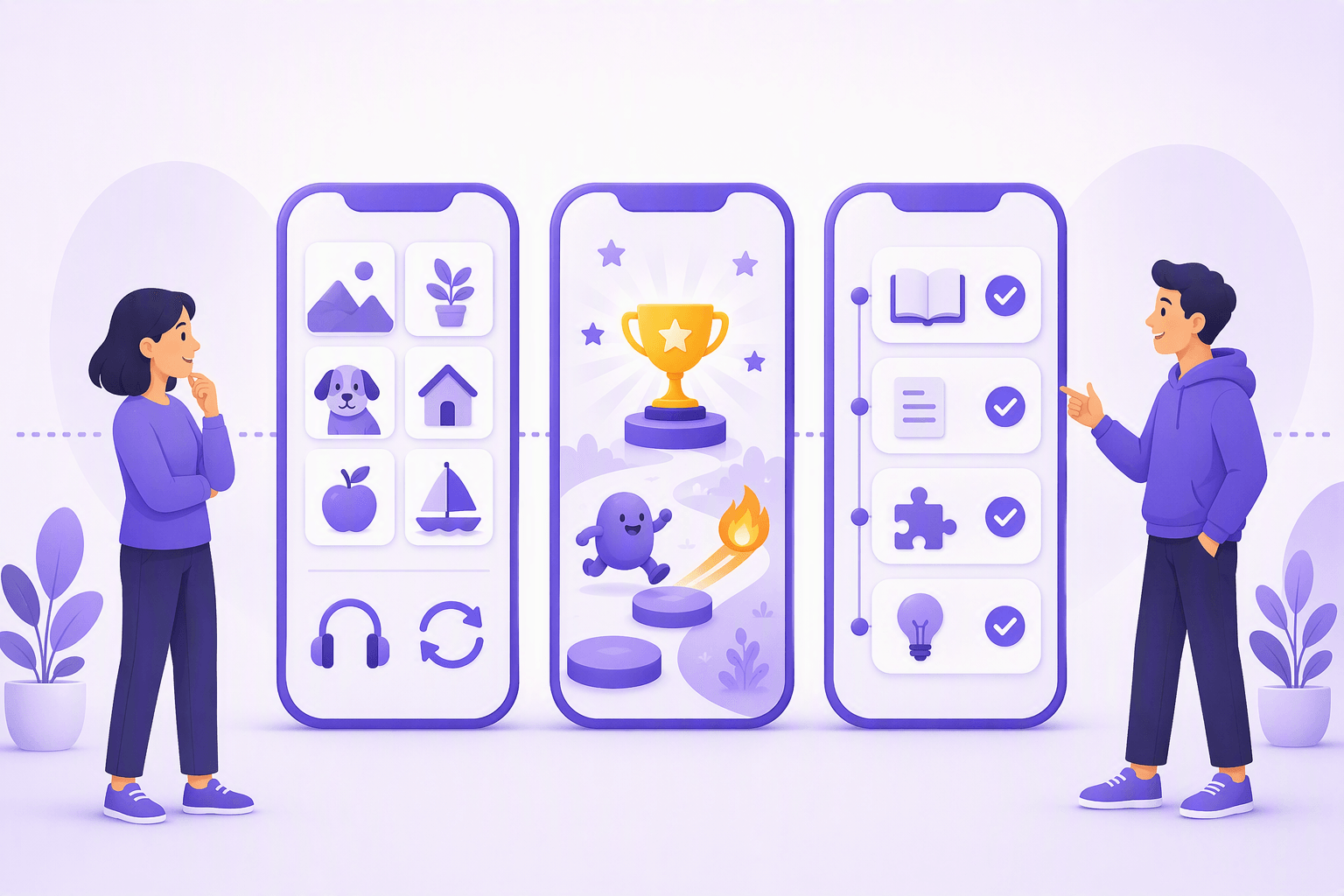
| Feature | Rosetta Stone | Duolingo | Babbel |
|---|---|---|---|
| Core style | Immersion, pictures, repetition | Gamified drills, variety | Structured lessons with explanations |
| Best for | Beginners who like pattern practice | Habit-building, motivation | Learners who want clarity and grammar |
| Weak spot | Real-world listening variety | Speaking depth, nuance | Less playful, can feel course-like |
| Ideal add-on | Native media + conversation | Native media + speaking | Native media + extra listening |
Duolingo publishes broad product information and learning claims (accessed 2026), but learners should still judge by outcomes: can you understand and speak outside the app?
Babbel tends to appeal to learners who want a teacher-like path. Rosetta Stone tends to appeal to learners who want to infer and repeat.
How long does it take with Rosetta Stone?
Time depends on your target and your consistency. The U.S. Foreign Service Institute’s difficulty rankings (accessed 2026) are a useful external reality check: languages vary widely in the classroom hours typically needed for professional working proficiency for English-speaking learners.
If you are learning English, the direction is reversed, but the principle remains: reaching strong proficiency is a long project. An app can support that project, but it cannot replace input and interaction.
A realistic plan for many learners is:
- Weeks 1-8: Rosetta Stone daily for patterns, plus easy listening.
- Months 3-6: Add more native content, start speaking weekly.
- Months 6-12: Shift focus toward real listening and conversation, keep Rosetta Stone as maintenance if you still enjoy it.
A better way to use Rosetta Stone (so you do not plateau)
Use it as “drills,” not as “the language”
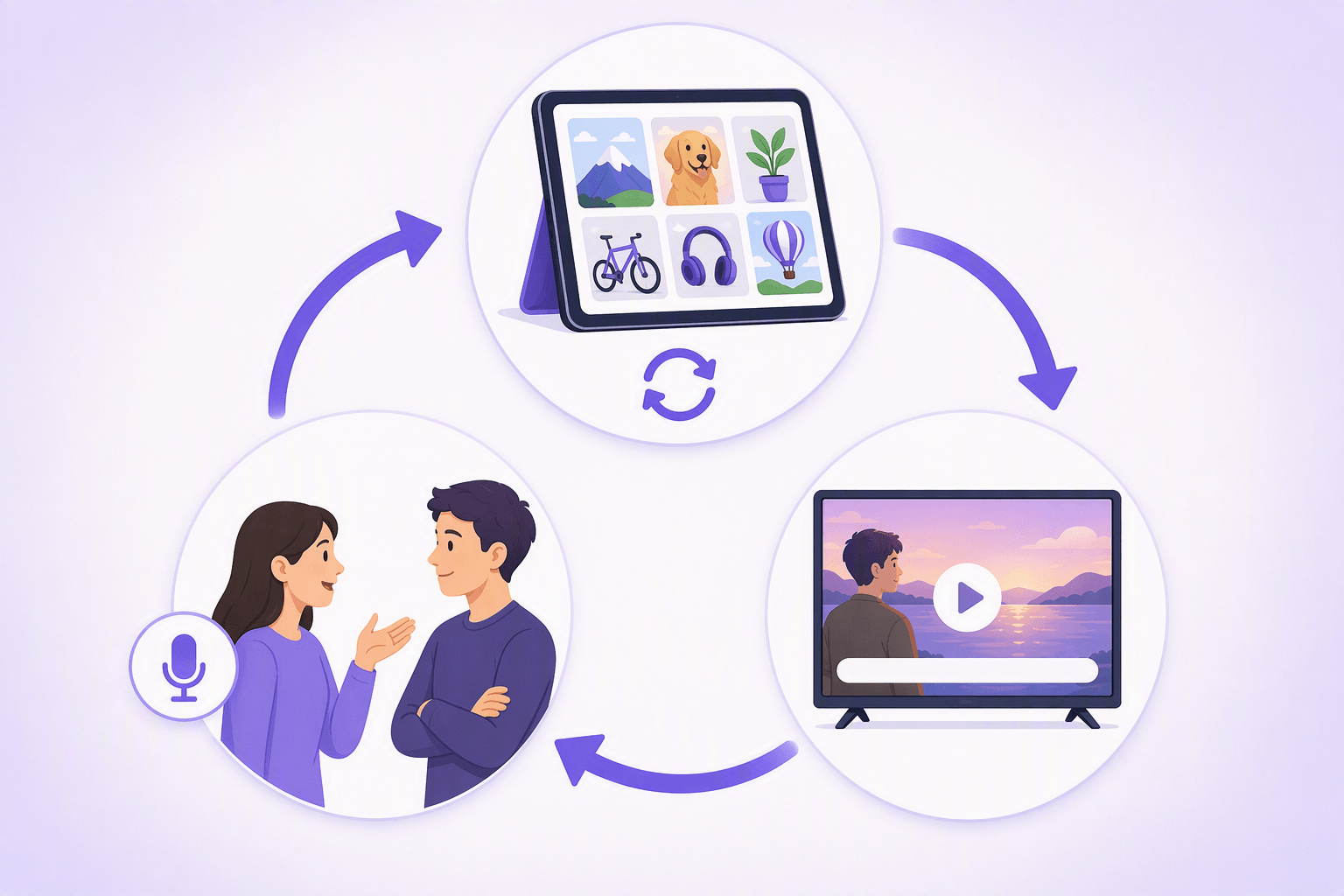
Do your lesson, then immediately use the same topic outside the app. If the lesson is about food, watch a short cooking video and try to catch the same words.
For English, movies are especially effective because you can hear casual rhythm and reductions. Start with the curated picks in Best Movies to Learn English.
Add one weekly speaking constraint
Pick one small speaking goal each week:
- Introduce yourself in 30 seconds without stopping.
- Describe your day using past tense.
- Tell a short story with three time markers.
Rosetta Stone can give you the building blocks, but you need pressure to assemble them.
Track what you cannot say yet
When you fail to express something, write it down. That list is your real syllabus.
This is where many learners benefit from a clip-based approach: you hear a line you wish you could say, then you learn it. That is one reason movie and TV learning tools can complement Rosetta Stone’s controlled practice.
What about Rosetta Stone for English specifically?
English is a special case for two reasons.
First, English is a global second language with huge variation. You might learn “standard” classroom English, then move to a workplace where colleagues use regional phrasing, idioms, and slang.
Second, English media is everywhere. That is a gift, but it also means your listening input will be messy from day one.
If your goal is to understand everyday English, do not wait until you “finish the course” to start listening. Start early, but start easy.
⚠️ Do not confuse 'knowing words' with understanding speech
Many learners can recognize vocabulary on a screen but cannot catch it in fast speech. That gap is normal. Close it with lots of listening, including subtitles at first, then gradually less support.
Pricing and “lifetime” plans: what to check before buying
Pricing changes often, so it is safer to focus on structure than exact numbers. Rosetta Stone offers subscriptions and often markets lifetime access options (see Rosetta Stone product information, accessed 2026).
Before you buy, verify:
- Which languages are included.
- Whether speech recognition and offline lessons are included.
- Whether there are live tutoring features, and if they cost extra.
- Refund policy and platform restrictions.
If you are the kind of learner who uses one product for years, lifetime can make sense. If you often switch tools, it can become sunk cost.
The honest verdict
Rosetta Stone is a solid beginner tool for building sentence patterns through repetition, especially if you like learning without translation and you will speak out loud. It is not a complete solution for real listening, modern usage, or fluent conversation, so plan to add native media and speaking practice early.
If your main target is English, build a balanced input diet: structured practice plus real speech. Use Rosetta Stone for the structure, then expand into real-world language with resources like English slang and curated listening like Best Movies to Learn English.
If you want to learn through short, real movie and TV clips with interactive subtitles and vocabulary tracking, explore Wordy at Learn English.
Frequently Asked Questions
Is Rosetta Stone actually effective for beginners?
Can Rosetta Stone make you fluent by itself?
Is Rosetta Stone better than Duolingo?
What is Rosetta Stone best for?
Is Rosetta Stone worth the lifetime plan?
Sources & References
- Rosetta Stone, Product and Method Overview, accessed 2026
- Duolingo, Investor Relations and Product Information, accessed 2026
- Ethnologue, 27th edition, 2024
- Council of Europe, Common European Framework of Reference for Languages (CEFR), accessed 2026
- U.S. Foreign Service Institute, Language Difficulty Ranking, accessed 2026
Start learning with Wordy
Watch real movie clips and build your vocabulary as you go. Free to download.


