Quick Answer
French clothing vocabulary includes le vêtement for clothing, une chemise for a shirt, un pantalon for trousers, une robe for a dress, and des chaussures for shoes. Learn the gender, pronunciation, and everyday context of 80+ useful French words for getting dressed, shopping, and describing style.
French clothing vocabulary starts with les vêtements /le vɛt.mɑ̃/, meaning clothes or clothing. The most useful everyday words are une chemise /yn ʃə.miz/ for a shirt, un pantalon /ɛ̃ pɑ̃.ta.lɔ̃/ for trousers, une robe /yn ʁɔb/ for a dress, and des chaussures /de ʃo.syʁ/ for shoes. Learn each noun with its article because gender changes the words around it.
French is spoken by an estimated 321 million people worldwide, according to the Organisation internationale de la Francophonie, and it has official status in 29 countries. That means clothing vocabulary varies slightly between Paris, Montréal, Brussels, Dakar, and other French-speaking places, but the core words below travel well.
If you are building practical beginner vocabulary, pair these terms with the most common French words and use them in real dialogue, especially scenes involving shopping, getting ready, weather, or going out.
| English | French | Pronunciation | Note |
|---|---|---|---|
| clothing / clothes | les vêtements | lay veh-teh-MAHN /le vɛt.mɑ̃/ | Masculine plural, the standard general term. |
| garment | un vêtement | uh veh-teh-MAHN /ɛ̃ vɛt.mɑ̃/ | One item of clothing. |
| shirt | une chemise | oon shuh-MEEZ /yn ʃə.miz/ | Usually a button-up shirt. |
| T-shirt | un tee-shirt | uh tee-SHEERT /ɛ̃ ti.ʃœʁt/ | Also written t-shirt. |
| sweater | un pull | uh pool /ɛ̃ pyl/ | Short for pull-over. |
| hoodie | un sweat à capuche | uh sweht ah kah-POOSH /ɛ̃ swɛt a ka.pyʃ/ | Casual sweatshirt with a hood. |
| jacket | une veste | oon vehst /yn vɛst/ | A jacket or blazer, depending on context. |
| coat | un manteau | uh mahn-TOH /ɛ̃ mɑ̃.to/ | Outerwear for colder weather. |
| raincoat | un imperméable | uh ahm-pehr-may-AH-bluh /ɛ̃ ɛ̃.pɛʁ.me.abl/ | Often shortened to un imper. |
| dress | une robe | oon rohb /yn ʁɔb/ | Feminine noun. |
| skirt | une jupe | oon zhoop /yn ʒyp/ | Feminine noun. |
| trousers / pants | un pantalon | uh pahn-tah-LOHN /ɛ̃ pɑ̃.ta.lɔ̃/ | Singular for one pair. |
| jeans | un jean | uh zhahn /ɛ̃ dʒin/ | Usually singular, even for one pair. |
| shorts | un short | uh shohrt /ɛ̃ ʃɔʁt/ | Common masculine singular noun. |
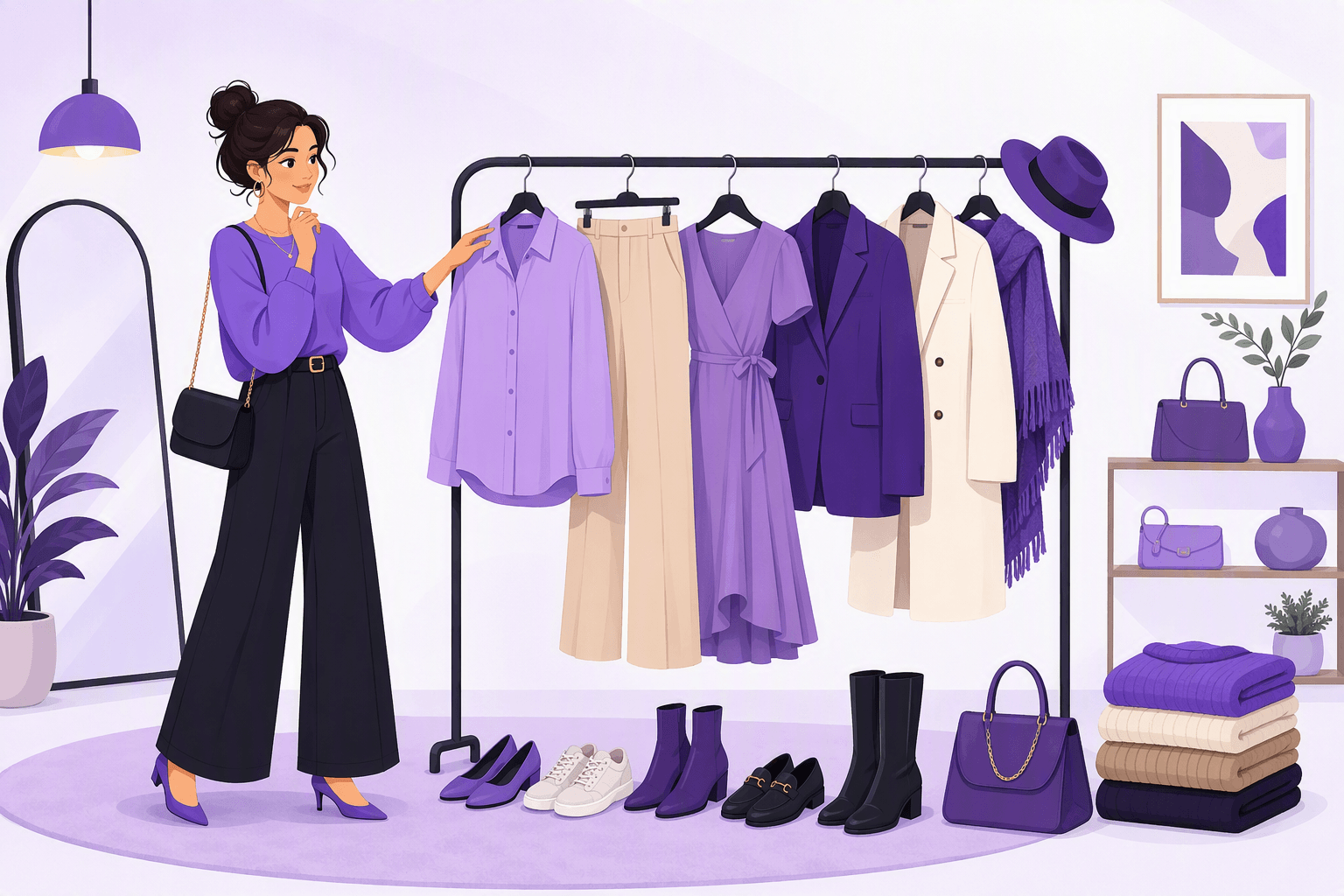
The core French words for clothes
The word vêtement /vɛt.mɑ̃/ is a countable garment, while vêtements /vɛt.mɑ̃/ is the usual plural for clothes. You may also hear habits /a.bi/, especially in family conversation, but vêtements /vɛt.mɑ̃/ is a reliable choice in shops and formal descriptions.
French nouns have gender, so memorizing a word without its article creates avoidable errors. Learn une veste /yn vɛst/ as one unit, not just veste /vɛst/. Then adjective agreement becomes easier: une veste noire /yn vɛst nwaʁ/ is a black jacket, while un manteau noir /ɛ̃ mɑ̃.to nwaʁ/ is a black coat.
French fashion language also makes an everyday distinction between une veste /yn vɛst/, a jacket or blazer, and un blouson /ɛ̃ blu.zɔ̃/, a shorter, more casual jacket. A leather biker jacket is often un blouson en cuir /ɛ̃ blu.zɔ̃ ɑ̃ kɥiʁ/.
Underwear, sleepwear, and summer clothes
| English | French | Pronunciation | Note |
|---|---|---|---|
| underwear | les sous-vêtements | lay soo-veh-teh-MAHN /le su.vɛt.mɑ̃/ | Plural collective term. |
| bra | un soutien-gorge | uh soo-tyehn-GORZH /ɛ̃ su.tjɛ̃.ɡɔʁʒ/ | Masculine noun. |
| underpants | un slip | uh sleep /ɛ̃ slip/ | Usually men's briefs in France. |
| underwear / briefs | un boxer | uh bok-SAIR /ɛ̃ bɔk.sœʁ/ | Common for boxer briefs. |
| underwear / panties | une culotte | oon koo-LOHT /yn ky.lɔt/ | Usually women's underwear, but context matters. |
| socks | des chaussettes | day shoh-SEHT /de ʃo.sɛt/ | Feminine plural. |
| tights | des collants | day koh-LAHN /de kɔ.lɑ̃/ | Usually worn with skirts or dresses. |
| pajamas | un pyjama | uh pee-zhah-MAH /ɛ̃ pi.ʒa.ma/ | Singular for one set. |
| swimsuit | un maillot de bain | uh mah-YOH duh bahn /ɛ̃ ma.jo də bɛ̃/ | Works for many swimsuit types. |
| bikini | un bikini | uh bee-kee-NEE /ɛ̃ bi.ki.ni/ | Masculine noun. |
| swim trunks | un short de bain | uh shohrt duh bahn /ɛ̃ ʃɔʁ də bɛ̃/ | Common men's swimwear term. |
| cap | une casquette | oon kah-SKEHT /yn kas.kɛt/ | A baseball-style cap. |
| sun hat | un chapeau de soleil | uh shah-POH duh soh-LAY /ɛ̃ ʃa.po də sɔ.lɛj/ | Useful for holidays and beaches. |
Maillot
Maillot /ma.jo/ is an especially useful word because its meaning depends on the rest of the phrase. Un maillot de bain /ɛ̃ ma.jo də bɛ̃/ is a swimsuit, but un maillot de foot /ɛ̃ ma.jo də fut/ is a football jersey.
In Canadian French, un maillot /ɛ̃ ma.jo/ can also mean a swimsuit without adding de bain /də bɛ̃/. Context, location, and the surrounding nouns do the work.
Slip
Do not assume slip /slip/ has the same meaning as English slip. In France, un slip /ɛ̃ slip/ normally refers to close-fitting men's underwear. If you want a neutral word for underwear, use les sous-vêtements /le su.vɛt.mɑ̃/.
This is a good example of why direct translation can mislead. The CNRTL dictionary is useful for checking nuance, while the Académie française dictionary gives formal definitions and grammatical information.
Shoes and accessories in French
| English | French | Pronunciation | Note |
|---|---|---|---|
| shoes | des chaussures | day shoh-SYOOR /de ʃo.syʁ/ | General word for shoes. |
| sneakers / trainers | des baskets | day bah-SKEHT /de bas.kɛt/ | Very common in France. |
| boots | des bottes | day boht /de bɔt/ | Feminine plural. |
| ankle boots | des bottines | day boh-TEEN /de bɔ.tin/ | Short boots around the ankle. |
| sandals | des sandales | day sahn-DAHL /de sɑ̃.dal/ | Feminine plural. |
| high heels | des talons hauts | day tah-LOHN oh /de ta.lɔ̃ o/ | Literally high heels. |
| slippers | des pantoufles | day pahn-TOO-fluh /de pɑ̃.tufl/ | Indoor slippers. |
| bag | un sac | uh sahk /ɛ̃ sak/ | General word for bag. |
| handbag | un sac à main | uh sahk ah mahn /ɛ̃ sak a mɛ̃/ | Literally hand bag. |
| backpack | un sac à dos | uh sahk ah doh /ɛ̃ sak a do/ | Literally back bag. |
| belt | une ceinture | oon sahn-TOOR /yn sɛ̃.tyʁ/ | Feminine noun. |
| scarf | une écharpe | oon ay-SHARP /yn e.ʃaʁp/ | For warmth, usually a long scarf. |
| gloves | des gants | day gahn /de ɡɑ̃/ | The final t is silent. |
| hat | un chapeau | uh shah-POH /ɛ̃ ʃa.po/ | A brimmed hat or general hat. |
| sunglasses | des lunettes de soleil | day loo-NEHT duh soh-LAY /de ly.nɛt də sɔ.lɛj/ | Always plural. |
Describing style, fit, and color
When you describe an outfit, une tenue /yn tə.ny/ means an outfit or set of clothes chosen for an occasion. You might say une tenue décontractée /yn tə.ny de.kɔ̃.tʁak.te/ for a casual outfit, or une tenue élégante /yn tə.ny e.le.ɡɑ̃t/ for a smart one.
| English | French | IPA |
|---|---|---|
| fashionable | à la mode | /a la mɔd/ |
| stylish | stylé / stylée | /sti.le/ |
| casual | décontracté / décontractée | /de.kɔ̃.tʁak.te/ |
| elegant | élégant / élégante | /e.le.ɡɑ̃/ |
| comfortable | confortable | /kɔ̃.fɔʁ.tabl/ |
| tight | serré / serrée | /sɛ.ʁe/ |
| loose | ample | /ɑ̃.pl/ |
| too big | trop grand / grande | /tʁo ɡʁɑ̃/ |
| too small | trop petit / petite | /tʁo pə.ti/ |
| to wear | porter | /pɔʁ.te/ |
The gendered forms in this table matter when the adjective describes a feminine noun. Say une robe élégante /yn ʁɔb e.le.ɡɑ̃t/, but un manteau élégant /ɛ̃ mɑ̃.to e.le.ɡɑ̃/. Some adjectives, such as confortable /kɔ̃.fɔʁ.tabl/, look the same in masculine and feminine forms.
For colors, the adjective normally follows the clothing noun: un pull bleu /ɛ̃ pyl blø/ and une jupe bleue /yn ʒyp blø/. A useful next step is our guide to French adjectives and agreement, where you can practice these endings beyond clothing descriptions.
💡 Learn clothes as complete chunks
Instead of memorizing isolated words, learn useful pairs such as une robe noire /yn ʁɔb nwaʁ/, des baskets blanches /de bas.kɛt blɑ̃ʃ/, and un pantalon trop grand /ɛ̃ pɑ̃.ta.lɔ̃ tʁo ɡʁɑ̃/. Complete chunks train gender, adjective position, and real pronunciation together.
Shopping for clothes in French
In a shop, un magasin de vêtements /ɛ̃ ma.ɡa.zɛ̃ də vɛt.mɑ̃/ is a clothing store. Une boutique /yn bu.tik/ often suggests a smaller, more specialized shop, while les soldes /le sɔld/ are seasonal sales.
These phrases will help you try things on and make a purchase:
- Je cherche une chemise. /ʒə ʃɛʁʃ yn ʃə.miz/ means I am looking for a shirt.
- Je peux l'essayer ? /ʒə pø le.se.je/ means Can I try it on?
- Où sont les cabines d'essayage ? /u sɔ̃ le ka.bin de.sɛ.jaʒ/ means Where are the fitting rooms?
- Vous l'avez en bleu ? /vu la.ve ɑ̃ blø/ means Do you have it in blue?
- C'est trop cher. /sɛ tʁo ʃɛʁ/ means It is too expensive.
- Je le prends. /ʒə lə pʁɑ̃/ means I will take it.
The object pronoun changes with the item. For a feminine noun such as robe /ʁɔb/, say je la prends /ʒə la pʁɑ̃/. For a masculine noun such as pull /pyl/, say je le prends /ʒə lə pʁɑ̃/.
🌍 French fashion vocabulary is not only about luxury
France has a major global fashion industry, but everyday French clothing talk is usually practical: weather, comfort, size, color, and occasion. Roland Barthes examined how clothing becomes a system of signs in The Fashion System, while Frédéric Godart's Fashion: An Introduction to Fashion Studies places style within social networks, institutions, and culture. For learners, that means a simple phrase about a practical outfit can communicate identity as clearly as a luxury label.
Regional words and common traps
In France, baskets /bas.kɛt/ means sneakers. In some other French-speaking regions, you may hear local alternatives, but chaussures de sport /ʃo.syʁ də spɔʁ/ will be understood everywhere.
Be careful with un jogging /ɛ̃ dʒɔ.ɡiŋ/. In standard French, it usually means a tracksuit or sweatpants, not the act of jogging. To describe the activity, say faire du jogging /fɛʁ dy dʒɔ.ɡiŋ/.
Another useful distinction is un costume /ɛ̃ kɔs.tym/, meaning a suit, and un déguisement /ɛ̃ de.ɡi.zə.mɑ̃/, meaning a costume for a party or performance. A Halloween outfit is usually un déguisement /ɛ̃ de.ɡi.zə.mɑ̃/, not a business suit.
French media gives you frequent, memorable repetitions of clothes vocabulary. Watch scenes where characters pack, go shopping, dress for work, complain about rain, or prepare for an event. You can also strengthen your everyday openings with French hello phrases and learn natural endings through French goodbye phrases.
A simple practice routine
Choose five items you wear today and describe them aloud. For example: Je porte un jean bleu, un tee-shirt blanc et des baskets noires /ʒə pɔʁt ɛ̃ dʒin blø ɛ̃ ti.ʃœʁ blɑ̃ e de bas.kɛt nwaʁ/.
Then change one detail each time: the color, the weather, or the occasion. This forces you to retrieve articles and adjective endings rather than merely recognize them on a list.
Finally, listen for these terms in French films and series. Clothing vocabulary is concrete, highly visual, and repeated in ordinary scenes, making it ideal material for learning French through context. Once you can identify what people are wearing, you will hear more of the sentence around it too.
Frequently Asked Questions
What is clothing called in French?
Is pantalon singular or plural in French?
How do I ask for a different size in a French clothing shop?
Why do French clothing words have different genders?
What is the difference between chaussures and baskets in French?
Sources & References
- Organisation internationale de la Francophonie, La langue française dans le monde, 2022
- Académie française, Dictionnaire de l'Académie française, 9th edition, accessed 2026
- CNRTL, Trésor de la langue française informatisé, accessed 2026
- Roland Barthes, The Fashion System, University of California Press
- Frédéric Godart, Fashion: An Introduction to Fashion Studies, Polity
Start learning with Wordy
Watch real movie clips and build your vocabulary as you go. Free to download.


