Quick Answer
The best movies and TV shows to learn Polish are Jak Rozpętałem II Wojnę Światową and 1983 for beginners, Cold War and Ida for intermediate learners, and The Decalogue for advanced students. Polish is spoken by approximately 45 million people and is classified by the FSI as a Category IV language, requiring around 1,100 hours to reach proficiency.
Polish cinema has been producing world-class films for decades. Directors like Andrzej Wajda, Krzysztof Kieślowski, and Paweł Pawlikowski have won awards at every major festival. And now Netflix has jumped in with Polish-language originals that are reaching global audiences. For language learners, this is a goldmine. Polish is spoken by approximately 45 million people (Ethnologue, 2024) and the FSI classifies it as a Category IV language, requiring around 1,100 hours to reach proficiency. It's a tough language with seven grammatical cases, consonant clusters that look impossible on paper, and word endings that change constantly. But hearing Polish spoken naturally in films makes all of that less scary. You start recognizing patterns, catching common phrases, and understanding the rhythm of how sentences are built. Here are eight picks to get you started.

Cold War (Zimna Wojna)
Paweł Pawlikowski's love story spans 15 years and multiple countries during the Cold War. The Polish dialogue is poetic and carefully composed, spoken at a pace that gives you time to absorb each line. The conversations alternate between intimate personal exchanges and formal institutional settings. It won the Best Director award at Cannes and is genuinely beautiful to watch.
Learning tip: The film includes Polish folk songs that are worth learning separately. Folk music uses simpler vocabulary and repetitive structures, making it an excellent supplementary listening exercise.
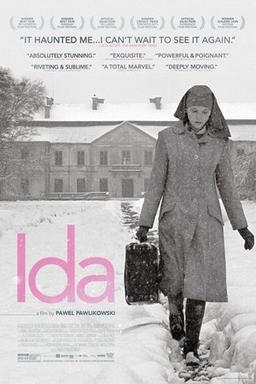
Ida
This Oscar-winning film is quiet and contemplative, with long pauses between lines of dialogue. The sentences are short and direct. A young novice nun discovers a family secret in 1960s Poland. Because the characters are reserved, they speak slowly and clearly. There's less dialogue overall, which means you can focus on understanding every word without feeling overwhelmed.
Learning tip: Watch this film with Polish subtitles and pause after each line of dialogue. The sparse script makes it realistic to look up every unfamiliar word without losing the flow of the story.
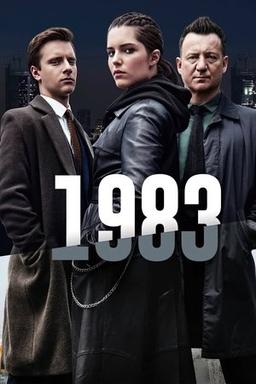
1983
Netflix's first Polish original series imagines an alternate history where Poland never transitioned from communism. The dialogue is heavy on political and institutional vocabulary, with characters debating, investigating, and conspiring. You hear formal Polish in government settings and casual Polish in personal scenes. The contrast is useful for learning how register shifts work.
Learning tip: Keep a separate vocabulary list for the political and bureaucratic terms you hear. Words like "władza" (power), "wolność" (freedom), and "śledztwo" (investigation) come up repeatedly and are worth memorizing.
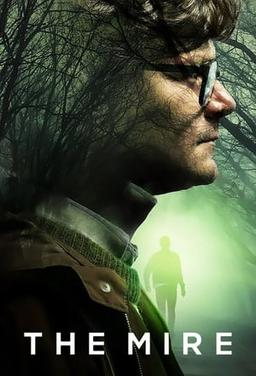
The Mire (Rojst)
Set in a small Polish town in the 1980s, this crime thriller captures how regular people talked during the late communist era. The dialogue is naturalistic and full of everyday Polish, from gossip to arguments to workplace banter. It gives you a vocabulary set that textbooks skip: the words people use when they are frustrated, suspicious, or trying to hide something.
Learning tip: Pay attention to the body language and tone of voice alongside the words. Polish communication relies heavily on context and intonation. A flat "dobrze" (okay) means something very different from an enthusiastic one.

Sexify
A comedy about three university students building a sex education app. The language is modern, casual, and full of the kind of Polish young people actually use. The topics are relatable (university, friendships, dating), and the humor keeps you watching. It's one of the most accessible Polish shows for beginners because the dialogue is straightforward and the context clues are strong.
Learning tip: This show is great for picking up informal connectors and filler words that Polish speakers use constantly, like "no" (well/yeah), "w ogóle" (in general/at all), and "kurczę" (a mild expletive). These small words make your Polish sound natural.
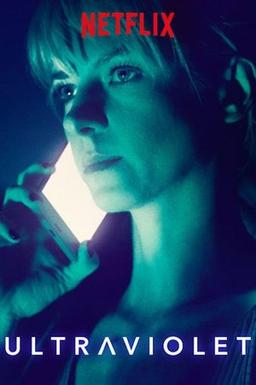
Ultraviolet
A group of amateur internet detectives solve crimes using an online forum. The dialogue is modern and conversational, mixing everyday Polish with some tech vocabulary. The tone is lighter than most Polish crime shows, almost cozy-mystery territory. Episodes are short and self-contained, so you can watch one at a time without committing to a long arc.
Learning tip: Focus on how the characters discuss things online versus in person. Written Polish and spoken Polish differ more than you might expect, and this show highlights that gap naturally.

The Hater (Hejter)
A dark thriller about social media manipulation and political radicalization. The dialogue is fast, sharp, and full of contemporary Polish including internet slang, political jargon, and manipulative rhetoric. The main character is articulate and calculating, so his speech is precise even when it's informal. This film demands strong listening skills but rewards you with a modern, relevant vocabulary.
Learning tip: Watch the main character's monologues closely. He switches between polished professional speech and crude, aggressive language depending on who he's talking to. Tracking these shifts teaches you a lot about how tone and word choice work in Polish.
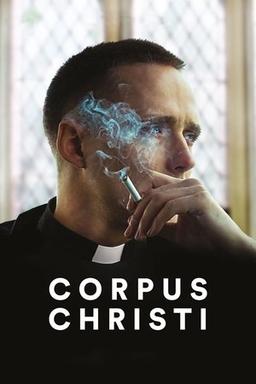
Corpus Christi (Boże Ciało)
A young man released from juvenile detention impersonates a priest in a small town. The film is full of religious vocabulary, small-town Polish, and honest emotional dialogue. The main character is not a native speaker of "church Polish," so he stumbles and improvises, which actually makes his speech more relatable for learners. The contrast between his rough background and the formal religious setting creates fascinating language tension.
Learning tip: Notice how the main character's language changes as he settles into his role. His Polish becomes more formal and deliberate over time. This progression mirrors what happens to language learners as they gain confidence in formal settings.
Tips for Learning Polish with Movies
Don't let the consonant clusters scare you. Words like "chrząszcz" (beetle) look terrifying, but each letter combination maps to one consistent sound. Learn the key pairs (sz, cz, rz, dz, dź, dż) and suddenly every Polish word becomes pronounceable. Practice with movie dialogue where you can hear and see the word simultaneously.
Polish word stress almost always falls on the second-to-last syllable. This is one of the most reliable rules in the language. Once you internalize it, your pronunciation immediately sounds more natural. Listen for it in movie dialogue and you will hear how consistent it is.
Start with comedies and dramas about everyday life before moving to crime thrillers or historical films. Everyday vocabulary (food, family, work, emotions) is more immediately useful than legal jargon or military terms. Sexify and Ultraviolet are better starting points than 1983 or The Mire.
Keep a running list of diminutives. Polish uses diminutive forms constantly, not just for small things but to express affection, familiarity, or politeness. "Kawa" becomes "kawusia," "kot" becomes "kotek." Movies show you when and how these forms are used naturally.
Replay scenes where characters argue or get emotional. Emotional speech in Polish tends to use simpler grammar and more direct vocabulary, which makes it easier to understand. Plus, the emotional context helps the words stick in your memory.
Frequently Asked Questions
Is Polish really one of the hardest languages to learn?
Can I learn Polish from Netflix shows?
How similar is Polish to other Slavic languages?
What makes Polish pronunciation so difficult?
Sources & References
- Foreign Service Institute (FSI). "Language Difficulty Rankings." U.S. Department of State.
- Ethnologue (2024). "Polish Language Profile." SIL International.
- European Commission (2012). "Europeans and their Languages." Special Eurobarometer 386.
Start learning with Wordy
Watch real movie clips and build your vocabulary as you go. Free to download.


