Quick Answer
The best movies and TV shows to learn German are Good Bye Lenin! and Bibi & Tina for beginners, Dark and The Lives of Others for intermediate learners, and Babylon Berlin and Dogs of Berlin for advanced students. German is spoken by approximately 135 million people and is classified by the FSI as a Category II language, requiring around 750–900 hours to reach proficiency.
German TV has quietly become some of the best content on Netflix. Shows like Dark proved that German-language series can compete with anything Hollywood puts out. That is great news if you are learning German, because it means hours of high-quality listening material that you will actually enjoy. German is spoken by approximately 135 million people worldwide (Ethnologue, 2024), and the Goethe-Institut reports that 15.5 million people are currently learning German as a foreign language. The FSI classifies German as a Category II language, requiring 750–900 hours to reach proficiency — slightly harder than French or Spanish, but easier than Russian or Japanese. The shows and films on this list cover a range of difficulty levels, from beginner-friendly classics to fast-talking modern series that will push your comprehension. Each one gives you something different: historical vocabulary, teenage slang, political jargon, or just clean, well-paced dialogue you can follow without pausing every three seconds. Grab your remote, turn on German audio, and start with subtitles in your native language. Once a show feels comfortable, switch to German subtitles. Then drop the subtitles entirely. That progression is how real listening skills develop.
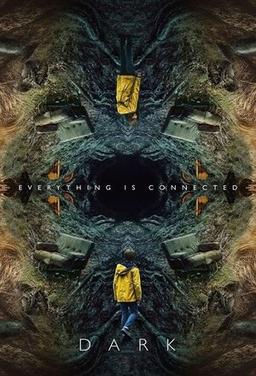
Dark
The characters speak slowly and deliberately, which is unusual for a TV thriller. Every sentence is weighted with meaning, so you naturally pay attention to each word. The vocabulary leans toward family relationships, time, and science, and the same key phrases repeat across episodes. Because the plot is so gripping, you will rewatch scenes to understand the story, and that repetition is exactly what your brain needs.
Learning tip: Start with Season 1, Episode 1 with German subtitles. The first episode introduces characters through short, clear conversations. Write down the family tree with their names and relationships in German.
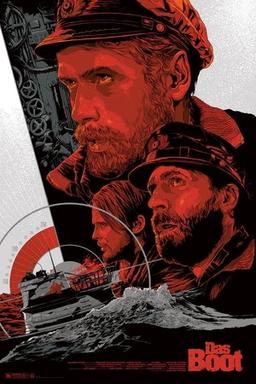
Das Boot
This is a submarine war film, so the characters are literally trapped in a small space talking to each other for three hours. The dialogue is dense with military commands, technical vocabulary, and emotional outbursts. What makes it useful for advanced learners is the contrast between formal orders and casual crew banter. You hear how register shifts work in German under pressure.
Learning tip: Watch the original theatrical cut (149 minutes) first, not the 5-hour miniseries version. The shorter version keeps the dialogue focused. Look up basic naval terms in German before watching.

Good Bye, Lenin!
The main character speaks to his bedridden mother in simple, caring sentences. The vocabulary is everyday stuff: food, TV, news, family. The pace is gentle, and the humor gives you context clues even when you miss a word. It is one of the few German films where you can follow along as a beginner without feeling lost.
Learning tip: Focus on the scenes between Alex and his mother. Their conversations use basic household vocabulary that you will need in real life. Pause after each scene and try to summarize what was said in your own words.
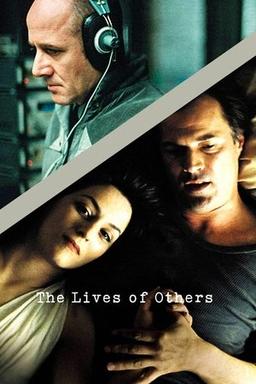
The Lives of Others (Das Leben der Anderen)
Set in 1984 East Berlin, this film features a Stasi agent listening to private conversations through a wall. The dialogue is precise and measured, almost like a listening exercise by design. Characters choose their words carefully because they know they might be overheard. This restraint makes the German clearer than most films, and the emotional weight behind each line helps the words stick.
Learning tip: Pay attention to how the Stasi officer Wiesler types up his reports. His internal summaries of conversations use simple, declarative German that reads almost like a textbook. Try writing your own summaries of scenes using similar sentence structures.

Babylon Berlin
Set in 1920s Weimar Republic Berlin, this show throws you into a world of political intrigue, nightlife, and social upheaval. The German is formal and sometimes archaic, which is a challenge, but it also teaches you structures that still exist in modern formal writing. You will pick up vocabulary for politics, crime, and social class that news articles still use today.
Learning tip: Do not start here if you are a beginner. The period vocabulary can be confusing. But if you are intermediate or above, try watching one episode with subtitles and then rewatching without. The visuals are so rich that they carry a lot of the meaning.

How to Sell Drugs Online (Fast)
Teenagers talking about the internet, school, relationships, and running a drug empire from a bedroom. The German is modern, fast, and full of slang that textbooks will never teach you. Words like "krass" (wild), "Alter" (dude), and "mega" pop up constantly. If you want to sound like a real young German speaker, this is your show.
Learning tip: The narrator breaks the fourth wall and explains things directly to the viewer. These narration segments use simpler German than the dialogue scenes. Start by focusing on those parts, then work up to the fast group conversations.

Biohackers
Set at the University of Freiburg, this thriller gives you campus vocabulary, science terminology, and student life dialogue. The characters are university students and professors, so you hear both casual peer conversation and academic German. It is one of the few shows where you pick up words for lab equipment, biology, and university bureaucracy all at once.
Learning tip: Write down the scientific terms you hear and look up their everyday German equivalents. For example, "Genmanipulation" (genetic manipulation) uses the same compound word structure as hundreds of common German words.
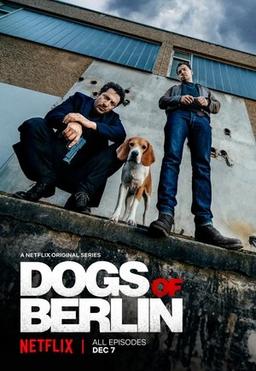
Dogs of Berlin
This gritty crime series features Berlin street dialect, Turkish-German code-switching, and police jargon. The characters come from different social backgrounds, so you hear how class and ethnicity shape the way people speak German. It is messy and fast, but that is exactly how German sounds on the streets of Berlin. Not for beginners, but great for training your ear to handle real-world speech.
Learning tip: Focus on the two main detectives first. Their dialogue is the most standard. Once you can follow them, branch out to the gang scenes where the dialect gets heavier. Notice how different characters pronounce the same words differently.
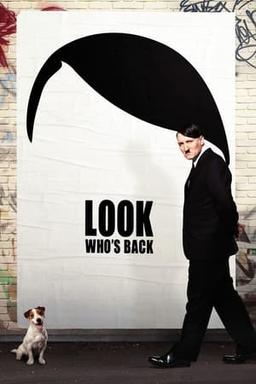
Look Who's Back (Er ist wieder da)
A dark comedy where Hitler wakes up in modern Berlin. The film mixes scripted scenes with real hidden-camera interactions with actual Germans on the street. You hear genuine unscripted German reactions alongside the actor's exaggerated formal speech. The contrast between old-fashioned oratory German and modern casual speech is a masterclass in how the language has evolved.
Learning tip: Watch the street interview scenes multiple times. These are real people speaking naturally, not actors with scripts. Their surprised, confused reactions use the kind of spontaneous German you would actually encounter in daily life.

Run Lola Run (Lola rennt)
The film has very little dialogue compared to most movies. Lola runs, screams, and has short urgent conversations. The sentences are short and direct: "Hilf mir!" (Help me!), "Ich brauche Geld!" (I need money!). Because the same 20-minute scenario repeats three times with variations, you hear the same core phrases again and again. Perfect for absolute beginners who get overwhelmed by long dialogues.
Learning tip: Watch all three "runs" and note which sentences repeat exactly and which ones change. The repetition with variation is a natural spaced repetition system built right into the movie.
Tips for Learning German from Movies
Start with German audio and English subtitles. Once you can follow the plot without reading constantly, switch to German subtitles. Drop subtitles entirely once you catch about 70% of the dialogue.
German word order changes in subordinate clauses, and the verb jumps to the end. When a character says a longer sentence, listen for where the verb lands. This is the single most important grammar pattern to internalize.
Keep a running list of compound words you hear. German builds vocabulary by stacking words together. Once you can break compounds into their parts (like "Handschuh" = hand + shoe = glove), your vocabulary grows exponentially.
Rewatch your favorite scenes and shadow the dialogue out loud. Copy the rhythm, the stress patterns, the way vowels connect. German pronunciation is very regular, so what you practice will transfer to new words immediately.
Pay attention to modal particles like "doch," "mal," "ja," and "halt." These tiny words change the tone of a sentence completely, and textbooks usually skip them. Movies are the best place to learn how they actually work.
Frequently Asked Questions
Can I really learn German by watching movies?
Should I watch German shows with subtitles or without?
Which German movie on this list is best for absolute beginners?
Is the German spoken in these shows "real" German or is it too formal?
Sources & References
- Foreign Service Institute (FSI). "Language Difficulty Rankings." U.S. Department of State.
- Goethe-Institut (2024). "German Language Worldwide." Annual Report.
- Ethnologue (2024). "German Language Profile." SIL International.
Start learning with Wordy
Watch real movie clips and build your vocabulary as you go. Free to download.


