Quick Answer
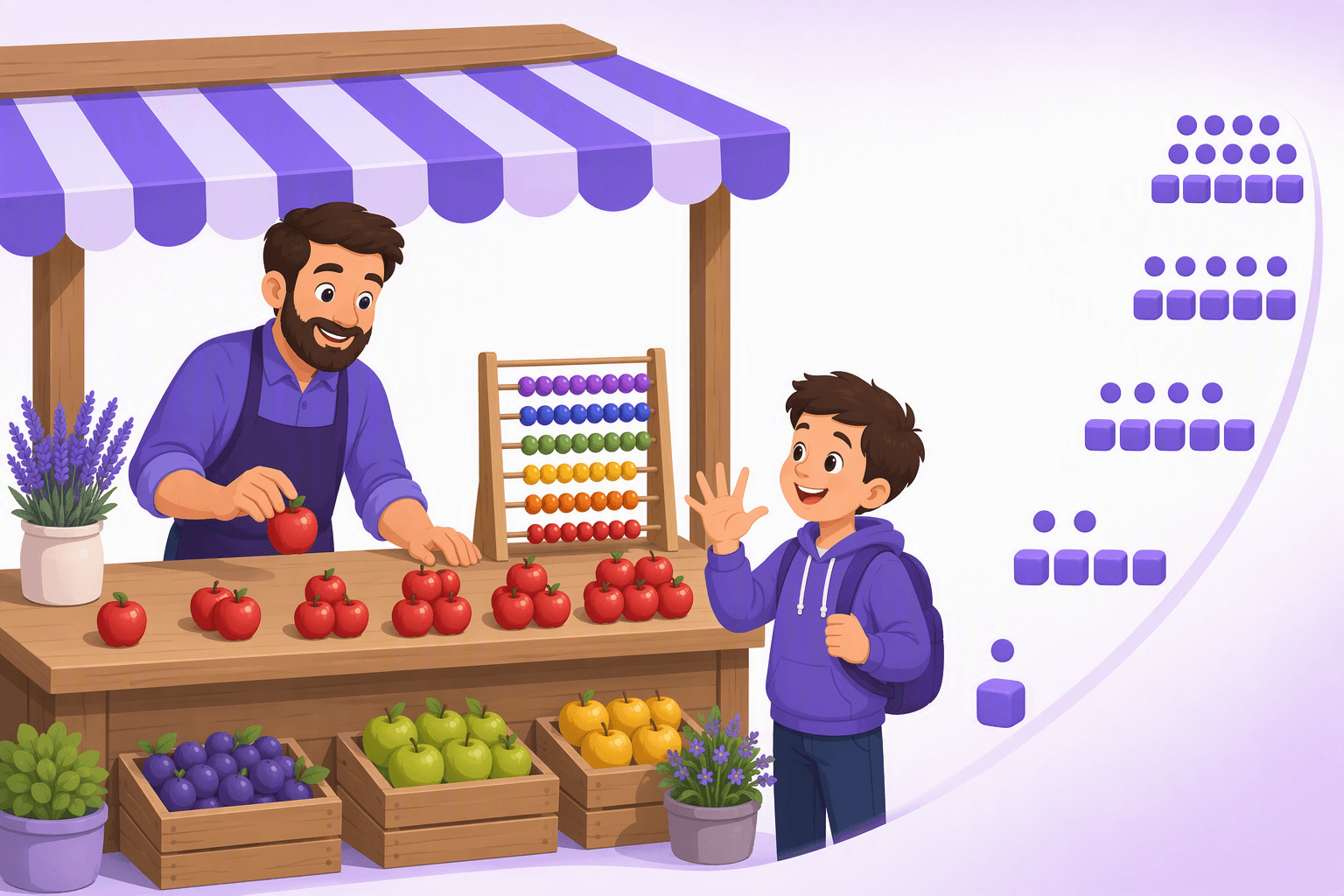
German numbers 1-20 are mostly unique forms. From 21 onward, German reverses the English order: the ones digit comes BEFORE the tens, connected by 'und' (and). So 25 is 'fünfundzwanzig' (five-and-twenty), not 'zwanzigfünf.' This ones-before-tens pattern is the single most important rule for mastering German numbers.
German numbers are straightforward in their basic forms but have one major twist that catches every learner off guard: compound numbers reverse the order of ones and tens. Instead of "twenty-five," German says fünfundzwanzig, literally "five-and-twenty."
German is spoken by approximately 134 million speakers worldwide, according to Ethnologue's 2024 data, making it the most widely spoken native language in the European Union. Whether you are reading prices at a Berlin flea market, understanding an address in Vienna, or following a Munich train announcement, numbers are inescapable.
"The German ones-before-tens construction is a survival of the original Proto-Germanic word order. English once used the same pattern ('four and twenty blackbirds') before abandoning it in favor of the tens-first order around the 17th century." (Martin Durrell, Hammer's German Grammar and Usage, Routledge, 2017)
This guide covers every number from 1 to 100, demystifies the ones-before-tens system, introduces ordinals, and explores the cultural significance of numbers in German-speaking countries.
| German | English | Pronunciation |
|---|---|---|
| Eins | 1 | ayns |
| Zwei | 2 | tsvay |
| Drei | 3 | dry |
| Vier | 4 | feer |
| Fünf | 5 | fuenf |
| Zehn | 10 | tsayn |
| Zwanzig | 20 | TSVAHN-tsig |
| Dreißig | 30 | DRY-sig |
| Fünfzig | 50 | FUENF-tsig |
| Hundert | 100 | HOON-dert |
Numbers 1-10: The Building Blocks
These ten numbers are unique and must be memorized. They form the foundation for every compound number in German.
| English | German | Pronunciation |
|---|---|---|
| 1 | Eins | ayns |
| 2 | Zwei | tsvay |
| 3 | Drei | dry |
| 4 | Vier | feer |
| 5 | Fünf | fuenf |
| 6 | Sechs | zeks |
| 7 | Sieben | ZEE-ben |
| 8 | Acht | ahkht |
| 9 | Neun | noyn |
| 10 | Zehn | tsayn |
💡 Zwei vs. Zwo
On the phone or in noisy environments, Germans often say zwo instead of zwei to avoid confusion with drei, since the two words sound similar over a bad connection. This is a practical substitution, not a different number. Duden, the authoritative German dictionary, recognizes zwo as a standard variant.
Numbers 11-20: Unique Forms
Numbers 11 and 12 have entirely unique names. Starting at 13, the pattern is unit + zehn (ten), written as one word. Note the minor spelling changes in 16 (sechzehn, not sechszehn) and 17 (siebzehn, not siebenzehn).
| English | German | Pronunciation | Note |
|---|---|---|---|
| 11 | Elf | elf | |
| 12 | Zwölf | tsvoelf | |
| 13 | Dreizehn | DRY-tsayn | |
| 14 | Vierzehn | FEER-tsayn | |
| 15 | Fünfzehn | FUENF-tsayn | |
| 16 | Sechzehn | ZEKH-tsayn | Not 'sechszehn' |
| 17 | Siebzehn | ZEEP-tsayn | Not 'siebenzehn' |
| 18 | Achtzehn | AHKH-tsayn | |
| 19 | Neunzehn | NOYN-tsayn | |
| 20 | Zwanzig | TSVAHN-tsig |
The 13-19 pattern (unit + zehn) might remind English speakers of the "-teen" construction (thirteen, fourteen). The shortening of sechs to sech- and sieben to sieb- before -zehn is a phonological simplification that makes the words easier to pronounce quickly.
Numbers 21-29: The Ones-Before-Tens Rule
Here is where German diverges dramatically from English. From 21 onward, the ones digit comes first, followed by und (and), followed by the tens, all written as a single unbroken word.
| English | German | Pronunciation | Note |
|---|---|---|---|
| 21 | Einundzwanzig | ayn-oont-TSVAHN-tsig | One-and-twenty |
| 22 | Zweiundzwanzig | tsvay-oont-TSVAHN-tsig | |
| 23 | Dreiundzwanzig | dry-oont-TSVAHN-tsig | |
| 24 | Vierundzwanzig | feer-oont-TSVAHN-tsig | |
| 25 | Fünfundzwanzig | fuenf-oont-TSVAHN-tsig | |
| 26 | Sechsundzwanzig | zeks-oont-TSVAHN-tsig | |
| 27 | Siebenundzwanzig | ZEE-ben-oont-TSVAHN-tsig | |
| 28 | Achtundzwanzig | ahkht-oont-TSVAHN-tsig | |
| 29 | Neunundzwanzig | noyn-oont-TSVAHN-tsig |
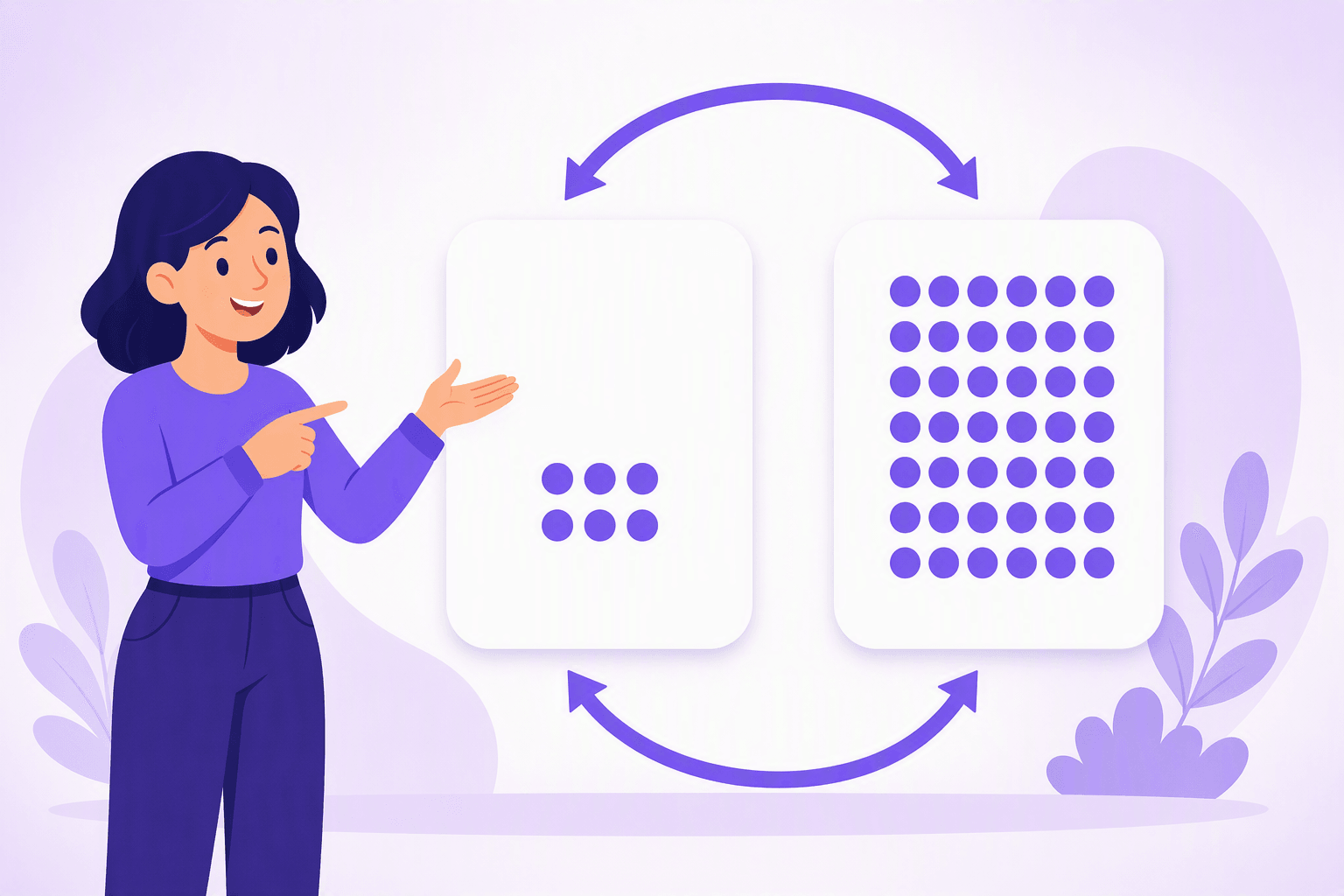
This ones-before-tens order is the single biggest hurdle for English speakers learning German numbers. The formula is always: unit + und + tens = one word. There are no exceptions between 21 and 99 (apart from the multiples of ten themselves).
⚠️ Reading Numbers Back Correctly
A common mistake: when Germans say a number like a phone digit or an address, English speakers instinctively write down the tens digit first. When you hear "fünfunddreißig" (five-and-thirty), train yourself to write 35, not 53. This reversal causes real-world errors with phone numbers and addresses until you internalize it.
The Tens: 30 to 100
Each multiple of ten has its own form. Note the same shortening of sechs and sieben that appeared in the teens.
| English | German | Pronunciation | Note |
|---|---|---|---|
| 30 | Dreißig | DRY-sig | Uses ß, not -zig |
| 40 | Vierzig | FEER-tsig | |
| 50 | Fünfzig | FUENF-tsig | |
| 60 | Sechzig | ZEKH-tsig | Not 'sechszig' |
| 70 | Siebzig | ZEEP-tsig | Not 'siebenzig' |
| 80 | Achtzig | AHKH-tsig | |
| 90 | Neunzig | NOYN-tsig | |
| 100 | Hundert | HOON-dert |
Dreißig (30) is the only tens word that uses -ßig instead of -zig. This is a historical remnant, not a spelling error. The ß (Eszett) in dreißig is retained even in Swiss German spelling, where ß is otherwise replaced by ss.
Compound Number Examples (30-99)
The same ones-before-tens rule applies consistently across all the remaining tens. Here are representative examples.
| English | German | Pronunciation | Note |
|---|---|---|---|
| 31 | Einunddreißig | ayn-oont-DRY-sig | |
| 42 | Zweiundvierzig | tsvay-oont-FEER-tsig | The answer to everything |
| 55 | Fünfundfünfzig | fuenf-oont-FUENF-tsig | |
| 63 | Dreiundsechzig | dry-oont-ZEKH-tsig | |
| 76 | Sechsundsiebzig | zeks-oont-ZEEP-tsig | |
| 84 | Vierundachtzig | feer-oont-AHKH-tsig | |
| 99 | Neunundneunzig | noyn-oont-NOYN-tsig | 99 Luftballons! |
🌍 99 Luftballons
The number 99 is instantly associated in German pop culture with Nena's 1983 hit 99 Luftballons. The song title is a perfect example of the ones-before-tens rule: neunundneunzig = nine-and-ninety. It remains one of the most internationally recognized German-language songs.
Beyond 100: Hundreds and Thousands
German larger numbers follow English-like patterns, with one key difference: hundreds and thousands still use the ones-before-tens rule internally.
| English | German | Pronunciation | Note |
|---|---|---|---|
| 100 | Hundert | HOON-dert | Or: einhundert |
| 200 | Zweihundert | TSVAY-hoon-dert | |
| 300 | Dreihundert | DRY-hoon-dert | |
| 125 | Hundertvierundzwanzig | HOON-dert-feer-oont-TSVAHN-tsig | All one word |
| 1,000 | Tausend | TOW-zent | Or: eintausend |
| 1,000,000 | Eine Million | AY-neh mil-ee-OHN | Million is a noun (capitalized) |
An important feature: all German numbers under one million are written as a single word. Hundertvierundzwanzig (124) is one word. Dreihundertfünfundsechzig (365) is one word. This can produce impressively long number-words, though in practice, digits are often used in writing. Million, however, is a noun and stands as a separate capitalized word: eine Million, zwei Millionen.
💡 German Number Formatting
Germany uses periods for thousands and commas for decimals, the opposite of English. 1,000 in English is 1.000 in German. 3.50 in English is 3,50 in German. Currency is written as 5,99 € (with the euro sign after the number). Getting this right is essential when reading prices or filling out German forms.
Ordinal Numbers in German
German ordinals are formed with suffixes: -te for 1st through 19th, and -ste for 20th and above. They function as adjectives and take standard German adjective endings.
| English | German | Pronunciation | Note |
|---|---|---|---|
| 1st | Erste | EHR-steh | Irregular |
| 2nd | Zweite | TSVAY-teh | |
| 3rd | Dritte | DRIT-teh | Irregular |
| 4th | Vierte | FEER-teh | |
| 5th | Fünfte | FUENF-teh | |
| 6th | Sechste | ZEKS-teh | |
| 7th | Siebte | ZEEP-teh | Not 'siebente' |
| 8th | Achte | AHKH-teh | No extra -t- |
| 9th | Neunte | NOYN-teh | |
| 10th | Zehnte | TSAYN-teh |
The irregular forms are erste (1st) and dritte (3rd). Siebte (7th) and achte (8th) are slightly irregular in that sieben shortens and acht does not double its -t. From 20th onward, the suffix is -ste: zwanzigste (20th), dreißigste (30th), hundertste (100th). Ordinals in compound numbers use the ones-before-tens rule: einundzwanzigste (21st), zweiunddreißigste (32nd).
German ordinals are written with a period after the numeral: 1. = erste, 2. = zweite, 3. = dritte. So der 1. Mai reads as der erste Mai (the first of May). According to Duden, this period convention is mandatory in formal writing.
Cultural Significance of Numbers in German-Speaking Countries
Numbers carry cultural weight across Germany, Austria, and Switzerland that goes beyond mere counting.
Lucky 7: The number seven is considered the luckiest number in German culture, tied to deep cultural and religious roots. Im siebten Himmel sein (to be in seventh heaven) expresses extreme happiness, mirroring expressions in many European languages.
Unlucky 13: Like much of the Western world, 13 is considered unlucky in German-speaking countries. Friday the 13th (Freitag der Dreizehnte) carries the same superstitious weight as in English-speaking nations. Some German buildings skip the 13th floor, and the Goethe-Institut notes that this superstition remains culturally active.
The number 4 (Vier): While 4 is neutral in German culture itself, many Asian communities within Germany observe the East Asian association of 4 with bad luck. This cross-cultural awareness is increasingly relevant in Germany's diverse cities.
11:11 and Carnival: The number 11 has special significance in Rhineland Carnival (Karneval). The carnival season officially begins on the 11th of November at 11:11 AM, and the Elferrat (Council of Eleven) traditionally governs carnival festivities. The number 11 symbolizes foolishness, one beyond the "complete" ten of the Ten Commandments.
🌍 Saying Phone Numbers in German
Germans read phone numbers digit by digit, often in pairs: 030-123-456-78 becomes null drei null, eins zwei drei, vier fünf sechs, acht und siebzig. The last pair uses the compound form. Zero is always null (never "oh"). Remember: zwei is often replaced with zwo on the phone to avoid confusion with drei.
Practice with Real German Content
Numbers surround you in German daily life, from understanding train platform announcements (Gleis dreiundzwanzig) to reading prices at bakeries (drei Euro fünfzig) to following football scores on the radio. The ones-before-tens rule becomes automatic with enough real-world exposure.
German cinema and TV are excellent resources for number practice. Market scenes, office dialogues, and sports broadcasts are especially number-dense. Check out our guide to the best movies for learning German for viewing recommendations.
Wordy lets you practice German numbers in authentic contexts with interactive subtitles on German movies and shows. When a number appears in dialogue, tap it to see the written form, hear the pronunciation, and review the ones-before-tens pattern. Explore our blog for more German learning resources, or visit our German learning page to start practicing today.
Frequently Asked Questions
What are the numbers 1-10 in German?
Why does German put ones before tens in compound numbers?
How do you form compound numbers in German?
What are German ordinal numbers?
How does German write large numbers?
Sources & References
- Duden, Die deutsche Rechtschreibung, 28th edition (2024)
- Hammer, A. E. & Durrell, M. (2017). Hammer's German Grammar and Usage, 7th edition. Routledge.
- Goethe-Institut, German language learning resources and cultural guides
- Ethnologue: Languages of the World, German language entry (2024)
Start learning with Wordy
Watch real movie clips and build your vocabulary as you go. Free to download.


