Quick Answer
The best movies and TV shows to learn Portuguese are 3% and Cidade de Deus for beginners, O Mecanismo and Tropa de Elite for intermediate learners, and Central do Brasil and O Auto da Compadecida for advanced students. Portuguese has approximately 264 million speakers worldwide and is classified by the FSI as a Category I language, requiring about 575–600 hours to reach proficiency.
Portuguese is spoken by approximately 264 million people worldwide (Ethnologue, 2024), making it the sixth most spoken language globally. The Observatório da Língua Portuguesa reports Portuguese as the fastest-growing European language in terms of new speakers. Most of the film and TV content available is Brazilian Portuguese. That is not a bad thing. Brazil produces a massive amount of high-quality series and cinema, and Brazilian Portuguese is the variant most learners study first. The FSI classifies Portuguese as a Category I language, requiring only about 575–600 hours to reach proficiency for English speakers. The shows on this list are all Brazilian, which means you will hear the open vowels, nasal sounds, and melodic rhythm that make Brazilian Portuguese so distinctive. A quick note on European vs. Brazilian Portuguese: they are mutually intelligible, like British and American English, but with bigger pronunciation differences. European Portuguese sounds more closed and clipped, while Brazilian Portuguese is wider and more musical. If your goal is European Portuguese, these shows still help with vocabulary and grammar, but you will want to supplement with Portuguese-produced content for accent training. Every title on this list is available on Netflix or major streaming platforms. Start watching, start listening, and let the language sink in.

3%
Brazil's first Netflix original series, set in a dystopian future where only 3% of the population advances to a better life. The dialogue mixes formal speech (during the "Process" interviews) with casual slang (among the candidates). This range is perfect for intermediate learners who need to understand both registers. The sci-fi setting introduces vocabulary about society, justice, and competition that you will encounter in news articles and everyday debates.
Learning tip: Pay close attention to the interview scenes. Characters are forced to speak formally under pressure, which means they use clear grammar and deliberate word choices. Compare that to how the same characters talk among friends. This contrast teaches you code-switching in Portuguese.
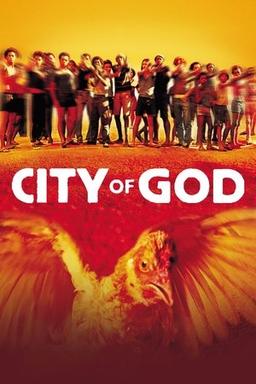
City of God (Cidade de Deus)
One of the greatest Brazilian films ever made, set in the favelas of Rio de Janeiro. The Portuguese is fast, raw, and full of Rio street slang. Characters drop consonants, merge words together, and use giria (slang) that you will not find in any textbook. This is not where you start learning Portuguese, but it is where you test yourself. If you can follow 60% of City of God without subtitles, your listening skills are seriously strong.
Learning tip: Watch it first with English subtitles to absorb the story. Then rewatch with Portuguese subtitles. The gap between what you read and what you hear reveals how much Brazilian Portuguese pronunciation reduces and transforms words. That gap is exactly what you need to train your ear to bridge.

Central Station (Central do Brasil)
A retired schoolteacher helps a young boy travel across Brazil to find his father. The dialogue between the two main characters is simple and repetitive because one of them is a child. You hear basic vocabulary about travel, family, feelings, and daily needs. The film also takes you through different Brazilian regions, so you hear subtle accent variations. Fernanda Montenegro speaks clearly and at a pace that beginners can actually follow.
Learning tip: The opening sequence shows Dora writing letters for illiterate people at a train station. These dictated letters use very simple Portuguese sentences about love, work, and family. Try writing down what you hear in these scenes. It is natural dictation practice built right into the movie.

Sintonia
Three teenagers in Sao Paulo navigate music, drug trafficking, and evangelical religion. The show captures how young Brazilians actually talk: fast, slangy, and full of abbreviated expressions. You hear funk and gospel music vocabulary, social media language, and the kind of street Portuguese that defines urban Brazil. It is modern, authentic, and the short episodes (around 30 minutes) make it easy to rewatch.
Learning tip: Focus on one character per viewing. Each of the three main characters lives in a different world (music, crime, church), so their vocabulary is distinct. Pick the storyline that interests you most and track the specific words and phrases that character uses repeatedly.

Good Morning, Veronica (Bom Dia, Verônica)
A crime thriller about a police clerk investigating cases on her own. The dialogue is modern, clear Brazilian Portuguese at a natural pace. You hear office vocabulary, police terminology, phone conversations, and domestic arguments. Because the main character works with documents and recordings, there are scenes where you literally hear Portuguese being read aloud, which helps connect written and spoken forms.
Learning tip: The phone call scenes are gold for listening practice. Phone conversations in a foreign language are harder because you cannot read lips or body language. Practice by listening to these scenes without looking at the screen, then check with subtitles to see how much you caught.
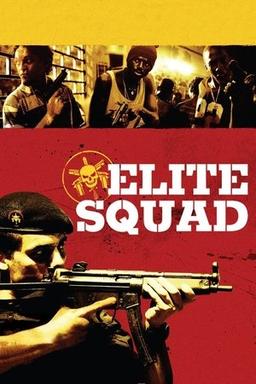
Elite Squad (Tropa de Elite)
Captain Nascimento narrates the film in first person, giving you a running inner monologue in clear, direct Portuguese alongside chaotic action scenes with shouted commands and street slang. The contrast between the calm narration and the intense dialogue is a workout for your ears. Military and police vocabulary shows up constantly, and the narrator explains context, which helps you follow even when the action dialogue moves too fast.
Learning tip: Listen to the narration separately from the dialogue scenes. Nascimento's voiceover uses complete, well-structured sentences with sophisticated vocabulary. Try pausing after each narration block and summarizing what he said in your own Portuguese.

The Mechanism (O Mecanismo)
Based on the real-life Operation Car Wash corruption scandal, this series is loaded with political, legal, and business vocabulary. Characters discuss bribes, investigations, and court proceedings in both formal and backroom settings. If you plan to read Brazilian news, follow politics, or work in business in Brazil, the vocabulary here is directly applicable. The narration by the main detective adds a layer of clear, explanatory Portuguese.
Learning tip: Follow along with real news articles about Operation Car Wash (Operacao Lava Jato). The show dramatizes real events, so you can read the same story in Portuguese newspapers. This gives you the same vocabulary in two formats: spoken in the show and written in articles.
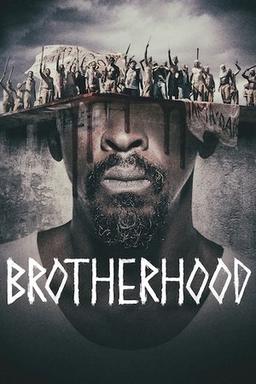
Brotherhood (Irmandade)
A lawyer discovers her brother leads a prison gang in Sao Paulo. The show switches between two worlds: the polished Portuguese of courtrooms and law offices, and the raw slang of prison life. This duality is great for learners because you hear formal and informal Portuguese in the same episode, spoken by the same characters in different contexts. You start to feel how Brazilians adjust their language based on who they are talking to.
Learning tip: Make two vocabulary lists while watching: one for the legal/formal scenes and one for the prison/informal scenes. Comparing the two lists shows you how the same ideas get expressed differently depending on the social context. Words like "advogado" (lawyer) vs. "cara" (guy/dude) mark the shift.

Invisible City (Cidade Invisível)
A fantasy series where Brazilian folklore creatures appear in modern Rio. The dialogue is surprisingly accessible because characters spend a lot of time explaining supernatural events to each other (and therefore to you). The vocabulary covers nature, mythology, family, and investigation. The pacing is slow enough for beginners, and the fantastical elements give you memorable visual anchors for new words. When a character says "boto" (river dolphin spirit), you see it on screen.
Learning tip: Look up the Brazilian folklore creatures before watching (Cuca, Saci, Iara, Boto). Knowing the myths gives you a framework for understanding the plot even when you miss dialogue. The show is also a great cultural education, as these folk stories are deeply important in Brazilian culture.

Aruanas
An environmental thriller about activists fighting illegal mining in the Amazon. The vocabulary covers nature, ecology, corporate corruption, and indigenous rights. This is niche vocabulary that most learners never encounter, but it is incredibly relevant to modern Brazil and shows up in news coverage constantly. The dialogue is in standard Brazilian Portuguese spoken at a moderate pace, and the Amazon setting gives every scene a visual richness that helps anchor new words.
Learning tip: This show pairs well with Brazilian news about deforestation and environmental policy. After watching an episode, search for a related news article in Portuguese. You will recognize vocabulary from the show, which makes reading the article much easier. It is a natural bridge from entertainment to real-world Portuguese.
Tips for Learning Portuguese from Movies
Brazilian Portuguese reduces unstressed vowels and connects words together. The word "voce" (you) often sounds like "ce" in casual speech. Do not panic when words sound different from how they are spelled. Exposure through movies trains your ear to handle this naturally.
Nasal vowels are the biggest pronunciation hurdle for English speakers. Words like "nao" (no), "pao" (bread), and "irma" (sister) have sounds that do not exist in English. Listen carefully to how actors produce these sounds and try to imitate them. Getting nasal vowels right makes a huge difference in being understood.
Portuguese uses "tu" and "voce" for "you," but usage varies by region. In Sao Paulo, "voce" dominates. In Rio, "tu" appears but often with "voce" verb conjugations (technically incorrect but universally understood). Movies show you which form is actually used, not just which one the textbook teaches.
Start with shows that have a narrator or voiceover (3%, Elite Squad, The Mechanism). Narration uses cleaner, more structured Portuguese than character dialogue, which gives you a comprehension anchor. Once you can follow narration comfortably, switch to pure dialogue-driven shows.
If your goal is European Portuguese, still watch these Brazilian shows for vocabulary and grammar, but supplement with Portuguese content for pronunciation. The grammar and most vocabulary are shared between the two variants. The main differences are pronunciation and a handful of everyday words (like "trem" vs. "comboio" for train).
Frequently Asked Questions
Should I learn Brazilian Portuguese or European Portuguese?
Why do all the shows on this list feature Brazilian Portuguese?
Is Portuguese harder than Spanish?
What Portuguese show should I start with as a complete beginner?
Sources & References
- Foreign Service Institute (FSI). "Language Difficulty Rankings." U.S. Department of State.
- Observatório da Língua Portuguesa (2024). "A Língua Portuguesa no Mundo."
- Ethnologue (2024). "Portuguese Language Profile." SIL International.
Start learning with Wordy
Watch real movie clips and build your vocabulary as you go. Free to download.


