Quick Answer
The best movies and TV shows to learn Italian are Cinema Paradiso and La Vita è Bella for beginners, Suburra and Gomorra for intermediate learners, and Il Sorpasso and La Grande Bellezza for advanced students. Italian has approximately 68 million native speakers and is classified by the FSI as a Category I language, requiring only about 600 hours to reach proficiency.
Italian cinema is one of the greatest in the world, and Italian TV has caught up fast. Netflix and other platforms now carry dozens of Italian series, from Roman crime dramas to coming-of-age stories set on the Amalfi Coast. For language learners, this is a goldmine. Italian has approximately 68 million native speakers (Ethnologue, 2024), and the Società Dante Alighieri reports growing global interest with over 2 million people studying Italian abroad. It is one of the easiest languages for English speakers to pick up — the FSI estimates about 600 hours to proficiency — and the pronunciation is almost perfectly phonetic. What you see is what you say. That makes watching Italian content especially effective, because hearing words spoken clearly helps you read and spell them too. One thing to know: Italy has strong regional dialects. Standard Italian (based on Tuscan) is what you hear in most films, but shows set in Naples or Rome often include local dialect. This list marks where dialect is heavy so you know what to expect. Do not worry about understanding every word. Focus on the rhythm, pick up phrases that repeat, and let the stories pull you in. That is how immersion works.
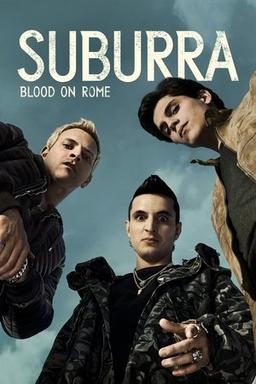
Suburra: Blood on Rome
Set in the criminal underworld of Rome, this show features rapid-fire Roman dialect mixed with standard Italian. The characters are politicians, mobsters, and priests, so you hear wildly different registers in every episode. The Roman slang ("daje," "rega," "annamo") is not standard Italian, but it is how people actually talk in Rome. Advanced learners who want to understand real spoken Italian in the capital should start here.
Learning tip: Watch with Italian subtitles on. The subtitles use standard Italian even when characters speak in Roman dialect, so you can compare the two. This is like getting a dialect-to-standard-Italian translation for free.
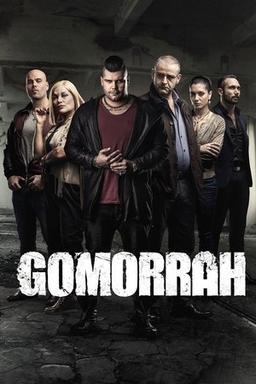
Gomorrah (Gomorra)
Based on Roberto Saviano's book about the Camorra mafia in Naples, this show is heavy on Neapolitan dialect. That makes it a challenge, but also uniquely valuable. You learn to separate standard Italian from dialect, which is a skill you need for real conversations in southern Italy. The show is also incredible television, so motivation to keep watching is never a problem.
Learning tip: Do not start with Gomorrah if you are new to Italian. Save it for after you are comfortable with standard Italian. When you do watch it, use Italian subtitles and treat the Neapolitan as a bonus listening challenge, not as vocabulary to memorize.
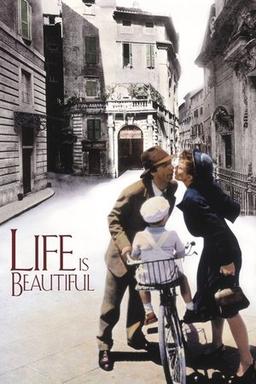
Life Is Beautiful (La vita è bella)
Roberto Benigni speaks with enormous energy and expressiveness. He exaggerates his mouth movements and gestures, which makes it easier to connect sounds to meaning. The first half of the film is a romantic comedy with simple, repetitive dialogue about daily life. The vocabulary covers restaurants, school, family, and humor. Benigni's Italian is clear Tuscan, which is the basis of standard Italian.
Learning tip: Focus on the first half of the movie for language learning. The romantic comedy section has the most useful everyday vocabulary. Try repeating Benigni's lines out loud, copying his animated delivery. It helps with pronunciation and makes the words memorable.
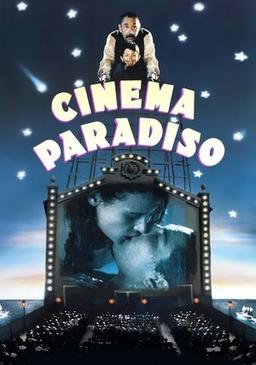
Cinema Paradiso (Nuovo Cinema Paradiso)
A gentle film about a boy growing up in a Sicilian village who falls in love with cinema. The dialogue is warm, emotional, and slow enough for beginners to follow. The vocabulary is domestic and personal: family, friendship, love, small-town life. The Sicilian setting adds some dialect flavor, but most dialogue is in clear standard Italian.
Learning tip: Watch the original theatrical cut (124 minutes), not the director's cut. The shorter version has tighter, more focused dialogue. Keep a list of the emotional phrases you hear, because Italian is a language where emotional vocabulary gets used constantly in daily life.
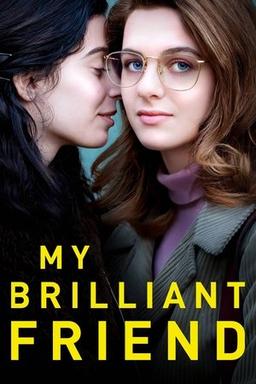
My Brilliant Friend (L'amica geniale)
Based on Elena Ferrante's novels, this series follows two women growing up in a poor Naples neighborhood across decades. You hear characters shift from Neapolitan dialect to standard Italian as they move up in society, which teaches you how language and class connect in Italy. The narration is in clean standard Italian while dialogue often includes dialect, giving you both registers.
Learning tip: Listen to the narrator carefully. Her Italian is textbook-perfect and uses literary vocabulary that is great for building a more sophisticated word bank. When the characters argue in dialect, do not stress about understanding every word. Focus on the emotions and context.
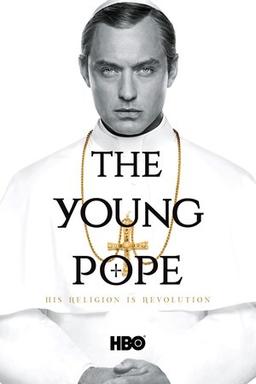
The Young Pope
Paolo Sorrentino's series about a fictional American pope is mostly in English, but the Italian scenes are spoken in deliberate, formal Italian that is perfect for intermediate learners. The Vatican setting means lots of formal vocabulary, polite forms, and religious terminology. The Italian characters speak slowly and clearly because of the formal context, making this easier to follow than most Italian TV.
Learning tip: Focus specifically on the scenes between Italian cardinals and Vatican staff. Their conversations use the formal "Lei" form consistently, which is essential to master for real-life situations in Italy. The polite Italian spoken here is exactly what you need for professional and service interactions.
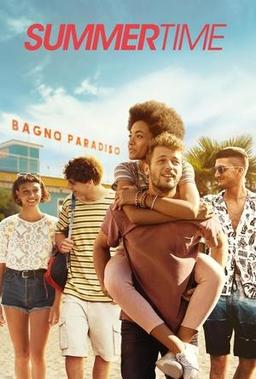
Summertime
A teen romance set on the Adriatic coast. The dialogue is simple, modern, and repetitive in the way real teen conversations are. Characters talk about summer, love, music, and figuring out their lives. The vocabulary is exactly what you need for casual conversations: greetings, opinions, feelings, making plans. The pace is relaxed, and the Italian is standard with minimal dialect.
Learning tip: This is one of the best shows for pure beginners because the emotional context makes meaning obvious. When two characters are flirting, you can guess what they are saying even before you translate. Use that context to absorb new vocabulary without constantly pausing.

Baby
Set in an elite Roman high school, this series gives you modern youth vocabulary, texting language, and casual Italian that textbooks ignore. Characters switch between formal speech with parents and teachers and raw slang with friends. You pick up words like "figo" (cool), "boh" (I dunno), and "dai" (come on) that you will hear constantly in Italy.
Learning tip: Pay attention to how characters text each other on screen. Italian text abbreviations are different from English ones, and seeing them alongside spoken dialogue helps you connect written shortcuts to full words. Write down the slang terms and ask an Italian speaker which ones are actually used.
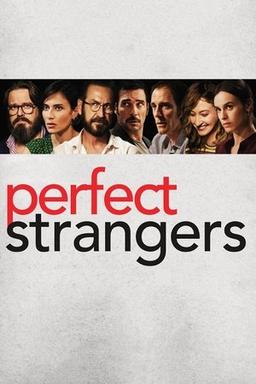
Perfect Strangers (Perfetti sconosciuti)
Seven friends at a dinner party agree to share every text and call they receive. The entire movie takes place at one table, so the dialogue is nonstop conversation. This is as close as you can get to eavesdropping on a real Italian dinner party. The vocabulary covers relationships, secrets, jealousy, and social dynamics. You hear interruptions, overlapping speech, and quick comebacks, all essential for understanding real Italian conversation.
Learning tip: Watch this movie twice. The first time, focus on following the story and the emotions. The second time, pick one character and follow only their dialogue. Try to catch their speech patterns, favorite expressions, and how they react to surprises. Italian conversational style is very different from English, and this film shows exactly how.

The Great Beauty (La grande bellezza)
Paolo Sorrentino's love letter to Rome won the Academy Award for Best Foreign Language Film. The Italian is literary, poetic, and sometimes philosophical. Jep Gambardella (Toni Servillo) speaks in long, elegant sentences full of vocabulary you will not hear in everyday conversation but will encounter in Italian literature, newspapers, and formal speeches. This is the film for learners who want to move beyond conversational Italian.
Learning tip: Watch with Italian subtitles and pause during Jep's monologues. His sentences are long, but they follow clear grammatical structures. Try breaking each sentence into its clauses. This film is excellent training for reading Italian literary prose.
Tips for Learning Italian from Movies
Italian pronunciation is almost entirely phonetic. Every letter is pronounced, and the rules barely have exceptions. When you hear a word in a movie, try spelling it out in your head. You will be right more often than you expect.
Watch for hand gestures. Italian communication is physical, and gestures carry real meaning. A character pinching their fingers together is saying "Ma che vuoi?" (What do you want?) without words. Learning these gestures alongside vocabulary makes you a more natural communicator.
Start with films set in Tuscany or that use standard Italian. Save Neapolitan and Roman dialect content (Gomorrah, Suburra) for after you have a solid foundation in standard Italian. Dialect can confuse beginners because words and grammar differ from what textbooks teach.
Italian verb conjugations carry a lot of information. Instead of memorizing tables, listen for verb endings in movie dialogue. "Mangio" (I eat), "mangi" (you eat), "mangia" (he/she eats) are differences you can hear clearly. Movies drill these patterns naturally through repetition.
Rewatch scenes and shadow the actors. Italian has a musical rhythm with stress that falls on specific syllables. Copying the melody of Italian speech is just as important as getting the words right. Record yourself and compare.
Frequently Asked Questions
What is the best Italian movie for complete beginners?
Will I learn real Italian from movies or just "movie Italian"?
Should I worry about Italian dialects when watching these shows?
How is Italian different from Spanish for language learners?
Sources & References
- Foreign Service Institute (FSI). "Language Difficulty Rankings." U.S. Department of State.
- Ethnologue (2024). "Italian Language Profile." SIL International.
- Società Dante Alighieri (2024). "L'italiano nel mondo." Annual Report.
Start learning with Wordy
Watch real movie clips and build your vocabulary as you go. Free to download.


