Learn Spanish with Movies & TV Shows
Spanish is spoken across 20 countries, each with its own flavor. Movies and TV shows let you hear the difference between Mexican, Colombian, Argentine, and Castilian Spanish. You pick up real slang, not just textbook phrases.
Why Learn Spanish?
Second most spoken natively
Spanish has more native speakers than English. With 475 million native speakers, it is the second most spoken first language in the world after Mandarin.
Closest major language to English
The FSI rates Spanish as a Category I language, the easiest group for English speakers. You share thousands of cognates like "hospital," "animal," and "chocolate."
Booming content industry
Spanish-language TV and film are exploding globally. Shows like La Casa de Papel and Narcos have proven that Spanish content draws worldwide audiences.
How to Learn Spanish with Wordy
Three steps to start picking up Spanish from real movies and shows.
Pick a Movie or Show
Browse Spanish content from our library of 15,000+ clips or connect your streaming service.
Watch and Tap Words
Tap any word in the subtitles for instant translation. Save words you want to remember.
Review with Flashcards
Practice saved vocabulary with spaced repetition flashcards linked to the original scene.
Popular Spanish Content for Learning
Great Spanish movies and shows to get you started.

La Casa de Papel
Fast-paced Castilian Spanish with lots of colloquial expressions and slang from Spain.

Roma
Mexican Spanish spoken naturally at a measured pace, excellent for learners at any level.

Elite
Modern teen vocabulary and everyday Spanish from Spain with clear pronunciation.

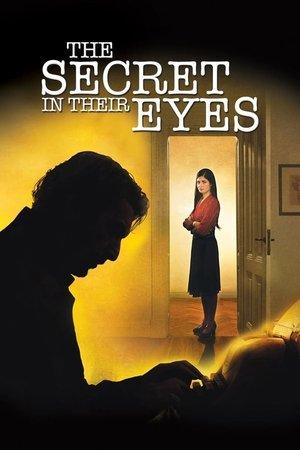
El Secreto de Sus Ojos
Argentine Spanish with distinct pronunciation, great for exposure to rioplatense dialect.

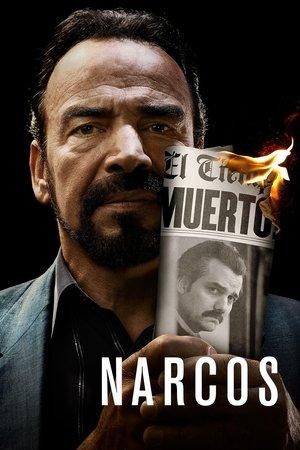
Narcos
Colombian Spanish mixed with English, useful for hearing Latin American accents and street vocabulary.
Tips for Learning Spanish from Movies
Master ser vs. estar early
Both mean "to be" but are used differently. Movies make this intuitive because you hear them in real situations repeatedly. Pay attention to descriptions (ser) vs. states and locations (estar).
Pick one dialect first
Latin American and European Spanish differ in vocabulary and pronunciation. Choose content from one region to build a solid base, then branch out. Mexican Spanish is the most widely understood variant.
Listen for dropped letters
In Caribbean and Andalusian Spanish, the "s" at the end of words often disappears. In Argentine Spanish, "ll" sounds like "sh." Knowing this from movies prevents confusion when you hear these accents in real life.
Spanish Fun Facts
Spanish is the official language of 20 countries, more than any other language except English (United Nations).
The Royal Spanish Academy (RAE) has regulated the language since 1713, making it one of the oldest language authorities still active (RAE).
Spanish and English share about 30-40% of their vocabulary through Latin roots and cognates (Ethnologue).
Frequently Asked Questions
How long does it take to learn Spanish?
About 600 to 750 hours of study to reach professional proficiency, according to the FSI. That is roughly 6 months of intensive study or 1.5 to 2 years of regular classes. Daily exposure to Spanish movies and shows can cut this time significantly.
Which Spanish should I learn, Latin American or European?
Start with whichever one matches your goals. Latin American Spanish, especially Mexican, is understood everywhere and has a larger speaker base. European Spanish from Spain has some distinct pronunciation features (like the "th" sound for "c" and "z") but is equally valid. Both are fully mutually intelligible.
Is Spanish easy to learn for English speakers?
Yes, Spanish is one of the easiest languages for English speakers. The grammar is more regular than English, pronunciation is largely phonetic, and thousands of words are similar in both languages. The subjunctive mood is the biggest hurdle, but context from movies helps a lot.
What are the best Spanish movies for beginners?
Start with films that have clear, slower dialogue. Roma (2018) and Coco (2017) are excellent starting points. For TV, try Extra en espanol, which was made specifically for learners. As you advance, move to shows like La Casa de Papel.